
From Showroom to Story
The problem with a home where everything matches is that it tells no story. It reflects a single shopping trip, not a life lived. The shift towards 'eclectic' or 'fusion' design is a response to this uniformity. It’s about creating spaces that feel collected
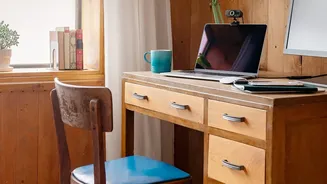
over time, blending a sleek modern sofa with a grandmother's carved wooden chest, or pairing a contemporary dining table with antique chairs. This approach allows for personal expression, integrating family heirlooms, travel souvenirs, and traditional Indian crafts into a modern living context. The goal is no longer perfection, but personality. The result is a dynamic space that feels unique to its inhabitants, reflecting their history and taste.
Start With An Anchor Piece
The idea of mixing styles can feel daunting, but the key is to start small and anchor the room. Choose one or two significant vintage or antique pieces to serve as the focal point. This could be a dramatic four-poster bed, a large brass urli, a rustic wooden trunk used as a coffee table, or a beautifully worn-in armchair. Once you have your statement piece, you can build a modern room around it. This item, with its history and character, will set the tone. All other furniture and decor can then be chosen to complement it, creating a deliberate and thoughtful contrast rather than a chaotic mix.
Follow the 80/20 Rule
To maintain balance, many designers suggest the 80/20 rule. This means that 80% of your decor should belong to one dominant style—for example, modern minimalism—while the remaining 20% can be from another era, like traditional Indian or colonial. This ensures the space feels cohesive rather than accidental. For instance, in a living room with a modern sofa, sleek shelving, and simple lighting (the 80%), you could add a pair of vintage armchairs and an antique mirror (the 20%). This ratio creates a visual harmony where the older pieces stand out as intentional, character-filled accents.
Find a Unifying Thread
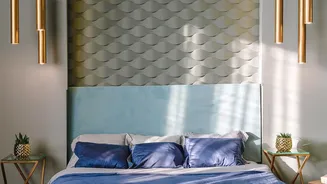
The secret to successfully mixing old and new is finding a common element that ties everything together. This 'thread' can be colour, material, or texture. You could have a vintage blue pottery lamp from Rajasthan and pull that shade of blue into the cushions on your modern sofa. Or, the warm tones of an old teak cabinet could be echoed in the legs of a contemporary chair or in wooden photo frames on the wall. Repetition of a key texture, like brass in both traditional lamps and modern light fixtures, can also create a sense of harmony. This creates a visual language that helps different pieces speak to each other.
Beyond Furniture: Textiles and Art
This design philosophy extends beyond just furniture. Indian homes have a rich tradition of textiles, which are perfect for bridging the gap between different styles. Handloom fabrics, vibrant sarees repurposed as drapes, block-printed cushions, or a colorful dhurrie can instantly add warmth, texture, and a sense of heritage to a minimalist room. Similarly, art is a powerful unifier. Pairing traditional Indian art forms like Madhubani or Pichwai paintings with contemporary furniture creates a striking focal point. These layers are what truly make a house feel like a home, filled with personal touches and cultural significance.
A Sustainable and Soulful Choice
Embracing vintage pieces isn't just a style choice; it's also a sustainable one. By giving new life to old furniture—whether it’s a family heirloom, a flea market find, or a piece made from reclaimed wood—you are reducing waste and preserving craftsmanship. This approach moves away from the fast-fashion model of interiors and towards a more mindful way of curating our personal spaces. A home that blends old and new is a home that values stories, cherishes history, and celebrates the unique journey of the people who live within its walls.