
The First Step: Drainage is Key
Before you start potting, remember the golden rule of container gardening: plants need drainage to avoid root rot. For any container you choose, you must provide a way for excess water to escape. If the item doesn't have holes, you can often create them.
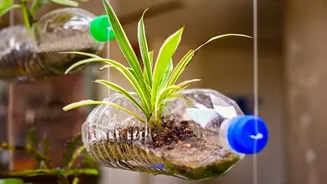
A drill with a bit suitable for the material (ceramic, metal, or plastic) works well. For softer plastics, even a hammer and nail or a heated soldering iron can do the trick. If drilling isn't an option, you can create a false bottom. Place a layer of gravel or small stones at the bottom of your container before adding soil. This allows water to collect away from the roots. Alternatively, keep the plant in its plastic nursery pot and place it inside the decorative container, removing it for watering.
Charming Kitchen Cast-Offs
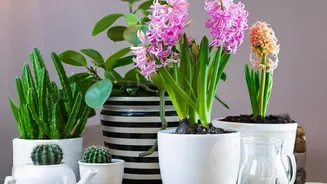
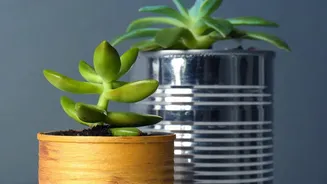
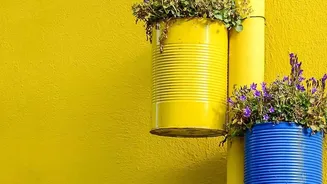
Your kitchen is a treasure trove of potential planters. Old teacups, mugs, and teapots make beautiful homes for small plants like succulents or herbs. Their vintage charm adds a delicate touch to a windowsill or side table. Similarly, old tin cans from vegetables or coffee can be cleaned, painted, and repurposed into rustic or industrial-chic planters. Just be sure to carefully sand down any sharp edges. Colanders are another fantastic option as they come with built-in drainage holes, making them perfect hanging planters for trailing plants.
Glass Jars and Bottles
Don't toss out those glass jars from pickles or jam. When cleaned, they become minimalist, modern planters. While you can't drill holes in them easily, they are perfect for creating a visible layered effect with soil, sand, and pebbles. They work especially well for plants that don't mind moist soil or for rooting cuttings in water. For a more contained setup, use the 'pot-in-a-pot' method where the plant remains in a smaller plastic pot with drainage that sits inside the jar. This gives you the sleek look of glass without the risk of waterlogging.
Old Boots and Shoes
For a truly whimsical and rustic statement, consider repurposing old footwear. A worn-out leather boot or a brightly coloured rain boot can be filled with soil and planted with flowers or trailing greenery. This quirky idea is especially effective in an entryway, on a balcony, or in a garden. The worn character of the shoes adds a story and a touch of unexpected fun. Just like with other containers, ensuring there are drainage holes at the bottom of the sole is crucial for plant health.
Baskets and Bags
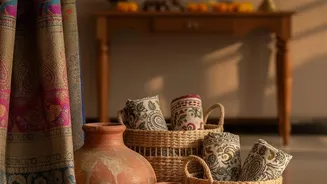
Wicker baskets or sturdy fabric tote bags can serve as beautiful, textured covers for less attractive plastic pots. This approach gives you a soft, natural look without the worry of soil or water leaking. Simply place your potted plant directly inside the basket. This makes it easy to water the plant separately and protects the basket's material from moisture damage. For a more direct planting, you can line the inside of a basket with landscape fabric or a plastic sheet before adding soil, but be mindful of watering.
Choosing the Right Plants
The container you choose can influence your plant selection. Smaller, shallower containers like teacups or muffin tins are ideal for succulents, cacti, or small herbs that have low water requirements and compact root systems. Taller containers like boots or kettles can house flowering plants like geraniums or herbs like rosemary. For non-draining containers like glass jars, consider plants that tolerate more moisture or use them for water-based propagation. Always match the plant to the pot for a happy, thriving green addition to your home.