



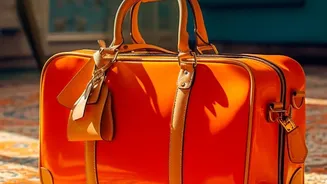
The Foundation: Your Bag and Mindset
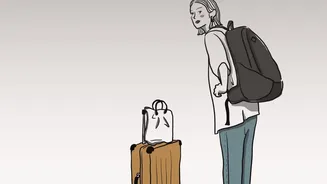
Success starts before you pack a single item. First, choose the right bag. A lightweight backpack or a soft-shell duffel that weighs under 1.5kg is crucial. Hardshell cases often eat up too much of your precious weight allowance before you even begin.
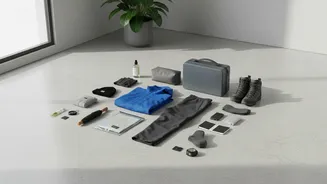
Most budget airlines enforce a 7kg limit, which includes the bag itself. Second, adopt a minimalist mindset. You are not packing for every possibility; you are packing for the reality of your destination. This means ditching the 'just in case' outfits. Plan your wardrobe around a simple, neutral colour palette where every top matches every bottom. This versatility is key to creating multiple outfits from a few core pieces. Remember, you can always wash clothes on your trip. Wearing your heaviest items, like your hiking shoes and jacket, on the plane is a non-negotiable part of this strategy.
The Hero Item: A Packable Rain Jacket
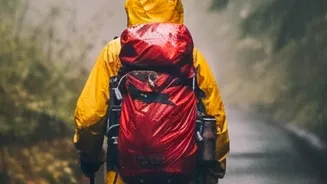
Your most important piece of gear is the rain jacket. Forget bulky, heavy coats. Modern technology has produced ultra-lightweight, packable jackets that offer incredible protection. Look for jackets made from materials like Gore-Tex Paclite or other proprietary waterproof-breathable membranes that can be compressed into a small pouch. A good packable jacket should be both waterproof and windproof, providing versatile protection against the elements without weighing you down. Brands like Patagonia, The North Face, and Columbia offer excellent options that are designed for travel, combining performance with a sleek fit. This single item is your shield against the rain and can double as a windbreaker on cool, dry days, making it an indispensable multi-tasker.
The Magic of Smart Layering
Instead of packing thick, heavy jumpers, think in layers. A layering system consists of a base layer, a mid-layer, and your outer shell (the rain jacket). For the base layer next to your skin, merino wool is a champion. It's excellent at regulating temperature, stays warm even when damp, and is naturally odour-resistant, meaning you can wear it multiple times without washing. Synthetic options are also great, particularly for their durability and quick-drying properties. For your mid-layer, a lightweight micro-fleece or a thin merino wool jumper provides warmth without bulk. This three-part system allows you to adapt to changing temperatures throughout the day by adding or removing layers, giving you far more flexibility than a single heavy sweater ever could.
Quick-Dry Bottoms and Footwear
Jeans are a packing disaster for rainy trips. They are heavy, take forever to dry, and become uncomfortable when wet. Instead, opt for trousers made from lightweight, quick-drying synthetic fabrics like nylon or polyester. Many travel-specific pants now come in stylish cuts that work for both city exploring and light hiking, often with added benefits like stretch and sun protection. For seven days, two pairs of these trousers are usually sufficient. Footwear is the other major challenge. You need something waterproof but also comfortable enough for all-day walking. Consider waterproof trainers or light hiking shoes. Wear this main pair on the plane and pack a second, much lighter pair of shoes, like packable flats or sandals, for evenings or indoor use.
The Art of Compression and Organisation
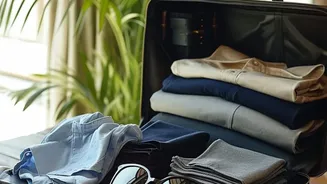
How you pack is as important as what you pack. Rolling your clothes tightly instead of folding them is a classic space-saving trick. To take it to the next level, use compression packing cubes. These cubes have an extra zipper that allows you to squeeze out excess air, significantly reducing the volume of your clothes. This makes fitting everything into a small carry-on much easier. Group items by category into different cubes (e.g., tops in one, bottoms in another) to stay organised. For toiletries, switch to solid versions wherever possible. Solid shampoo, conditioner, and soap bars save space and aren't subject to liquid restrictions. Anything that must be liquid should be in a travel-sized bottle of 100ml or less.