





The Propulsion Powerhouses
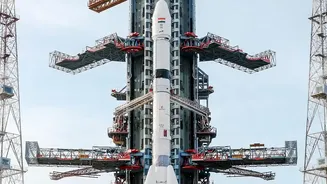
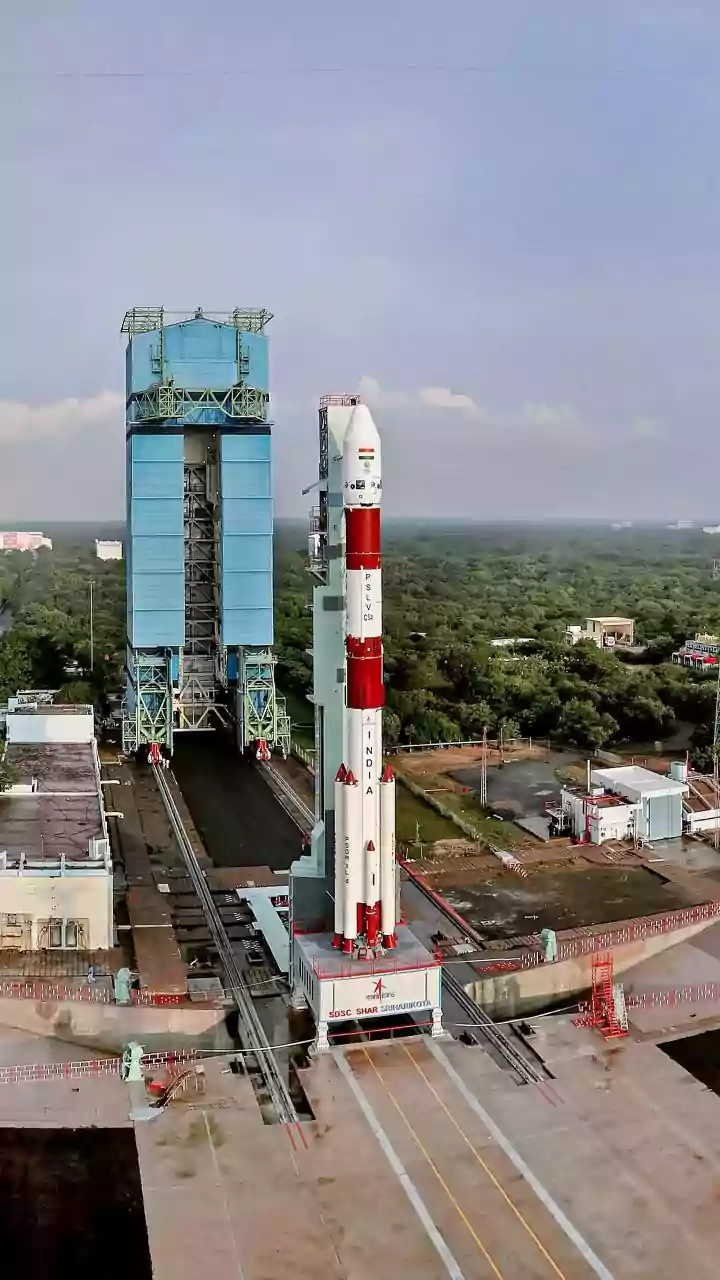
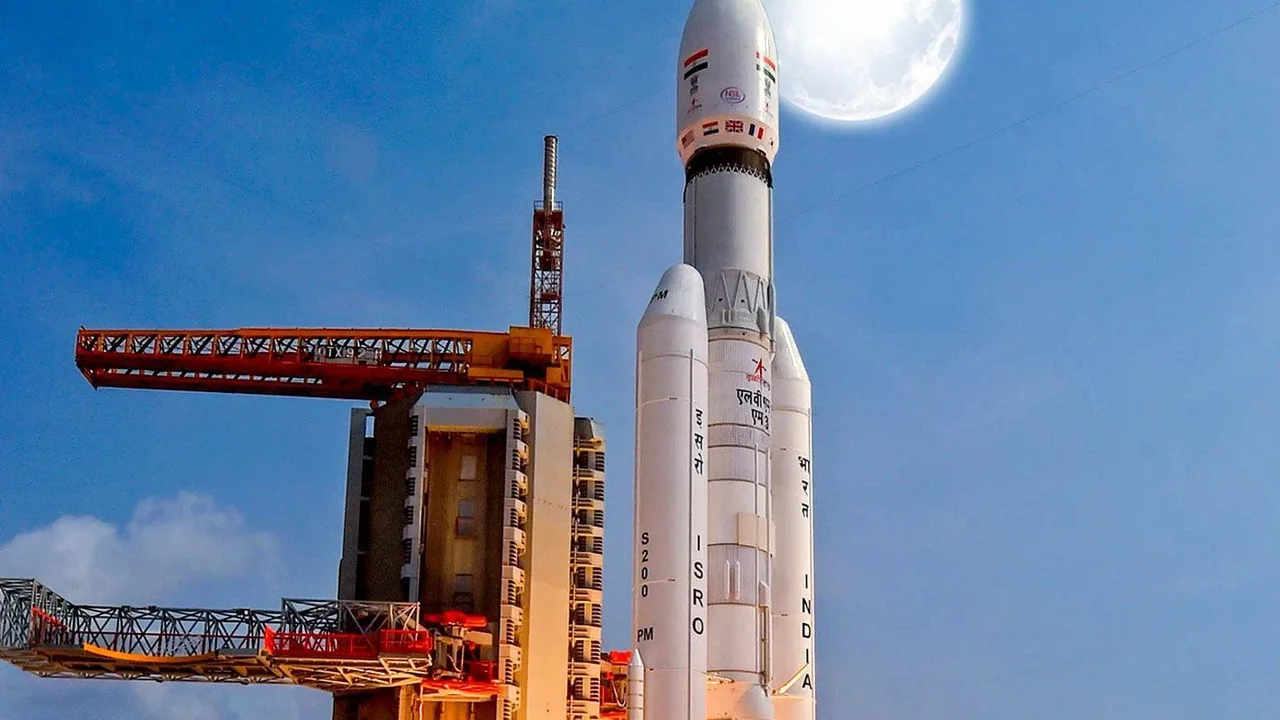
At the heart of any space mission is the ability to get there. Propulsion, the technology of generating thrust, is what lifts rockets off the ground. A new wave of Indian startups is mastering this complex field. Hyderabad-based Skyroot Aerospace, founded
by former ISRO scientists, made history with the launch of Vikram-1, India's first privately developed orbital rocket. Their rockets use a combination of solid and liquid propulsion, including 3D-printed cryogenic engines that run on cleaner fuels like Liquid Natural Gas (LNG). Similarly, Chennai's Agnikul Cosmos, incubated at IIT Madras, has pioneered the world's first single-piece 3D-printed rocket engine. This innovation dramatically simplifies manufacturing, reducing a complex assembly of thousands of parts into a single component, which can be produced in a matter of days. These companies are not just building rockets; they are creating cost-effective, on-demand launch solutions for the booming small satellite market.
Greener, More Efficient In-Space Travel
Propulsion isn't just about the initial launch. Once in space, satellites need their own engines to maneuver, adjust their orbits, and eventually de-orbit safely. This is where companies like Bengaluru's Bellatrix Aerospace are making their mark. Bellatrix focuses on advanced in-space propulsion, moving away from conventional chemical systems that are heavy and inefficient. They have developed high-efficiency electric propulsion systems, such as Hall-effect thrusters, which use electricity to accelerate propellant and provide gentle but continuous thrust for satellites. The company is also a leader in developing 'green' propellants, which are non-toxic and environmentally friendly alternatives to the hazardous hydrazine fuel traditionally used. Another innovator, Orbitt Space, is developing air-breathing electric propulsion that can scoop up particles from the upper atmosphere to use as fuel, potentially allowing satellites to stay in very low Earth orbits for extended periods without carrying propellant. These technologies are crucial for the sustainability and longevity of satellite constellations.
Creating India’s Eyes in the Sky
As space becomes more crowded with satellites and debris, knowing what is up there is critical. This is known as Space Situational Awareness (SSA), and it's another area where the Indian private sector is stepping up. Bengaluru-based startup Digantara is at the forefront, building what it calls a 'Google Maps for space'. The company is developing a comprehensive surveillance system to track satellites and space debris. Recently, Digantara unveiled MOSAIC, an AI-powered network of ground-based optical sensors designed for continuous, real-time tracking of objects in Low Earth Orbit. This sovereign capability is vital for reducing India's dependence on foreign surveillance data for both civilian and strategic purposes. By providing a high-fidelity map of space, Digantara aims to make orbital operations safer and more secure, a crucial service for satellite operators worldwide and for national security.
The Force Behind the Boom
This explosion of private innovation didn't happen in a vacuum. A key enabler has been the establishment of the Indian National Space Promotion and Authorisation Centre (IN-SPACe) in 2020. Acting as a single-window agency, IN-SPACe's mission is to promote, authorize, and regulate the activities of private companies in the space sector. It facilitates access for startups to ISRO’s world-class facilities, testing infrastructure, and technical expertise, which was previously inaccessible. This policy shift allows ISRO to transition its focus from routine operations to more advanced research and development, deep-space exploration, and national security missions, while private entities drive the commercial aspects of the space economy. This symbiotic relationship is designed to accelerate innovation, attract investment, and significantly increase India's share of the global space market.