



Meet the Orionids
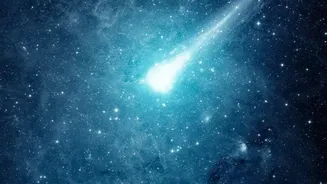
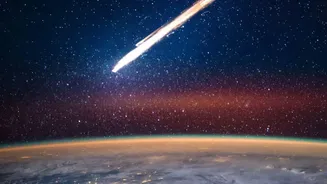
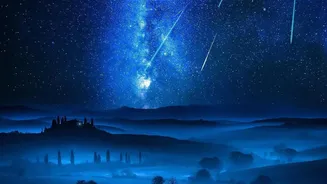
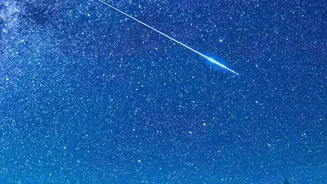
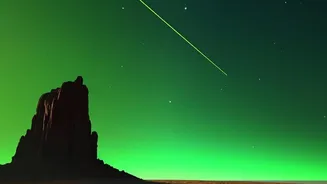
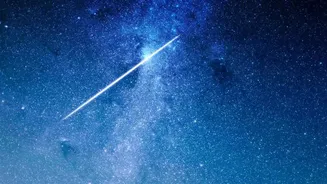
The Orionid meteor shower is an annual celestial event, active from early October to early November. It is famous for producing some of the fastest and brightest meteors, which are actually tiny pieces of cosmic dust burning up as they hit Earth's atmosphere
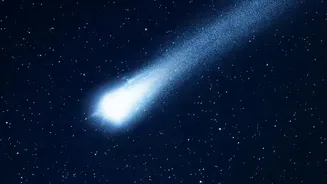
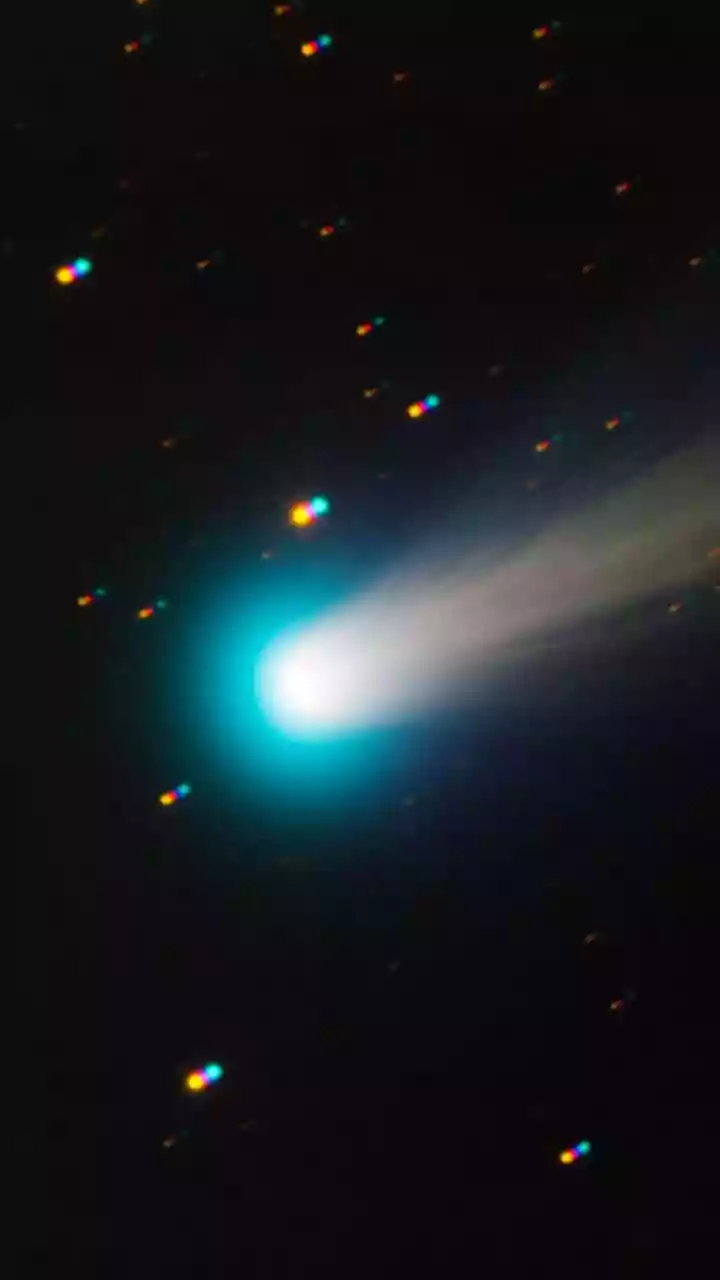
at incredible speeds—around 66 kilometres per second. These particles come from one of the most famous comets in history: Halley's Comet. As the comet travels on its 76-year orbit around the sun, it leaves a trail of debris. When Earth passes through this stream of dust, we get a spectacular meteor shower. The meteors appear to radiate from the constellation Orion, which is how they get their name, but you can spot them streaking across any part of the sky.
The Moon's Bright Interference
The main challenge for viewing the Orionids in 2026 is the Moon. The shower is predicted to peak on the night of October 21-22. On these dates, the Moon will be in a waxing gibbous phase, meaning it will be about 78% illuminated and very bright. This natural light pollution will be present for most of the night, effectively washing out many of the fainter meteors and making them invisible to the naked eye. A bright moon can significantly reduce the number of visible meteors, turning a potential flurry of shooting stars into a much sparser event. Instead of the typical 15-25 meteors per hour seen under dark skies, the rate could be much lower.
The Best Time to Watch
While the bright Moon will dominate the sky for most of the night during the peak, there is a silver lining. On the mornings of October 21 and 22, the Moon will set a few hours before dawn. This creates a crucial window of darkness, which is your best opportunity to see the Orionids. The ideal time to start looking will be after the moon sets, roughly from 3 a.m. local time until dawn begins to break. These pre-dawn hours are typically the best time for meteor watching anyway, as your location on Earth is rotating into the direction of the meteor stream, increasing the number of meteors hitting the atmosphere head-on.
Tips for Beating the Glare
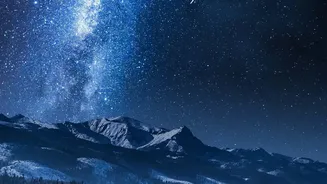
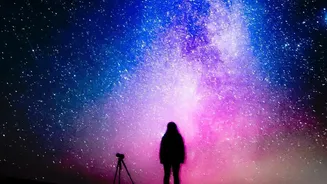
Even with a bright moon, a successful viewing session is possible with a bit of strategy. First and foremost, get away from city lights. Find the darkest spot you can, as this will make the biggest difference. Once you're settled, give your eyes at least 20-30 minutes to fully adapt to the darkness. Another key tip is to look away from the Moon itself. Try to position yourself in the shadow of a building, a hill, or a dense patch of trees to block the direct moonlight from your field of vision. You don't need to look directly at the constellation Orion; the meteors can appear anywhere. Find a comfortable spot, perhaps on a reclining chair or a blanket, and simply look up at the darkest part of the sky. Patience is essential, as the meteors often come in spurts.
What to Realistically Expect
It’s important to set realistic expectations for the 2026 Orionids. The bright moonlight will undoubtedly reduce the number of visible meteors. However, the Orionids are known for producing exceptionally bright meteors, sometimes called fireballs, which can leave glowing trails that last for several seconds. These brighter meteors are more likely to outshine the moonlight, so you still have a good chance of seeing some impressive streaks across the sky. While you might not see dozens of meteors per hour, the ones you do catch could be truly spectacular. The experience of being out under the night sky, waiting for those fleeting moments of cosmic magic, is a reward in itself.