
Cosmic Crumbs from a Famous Comet
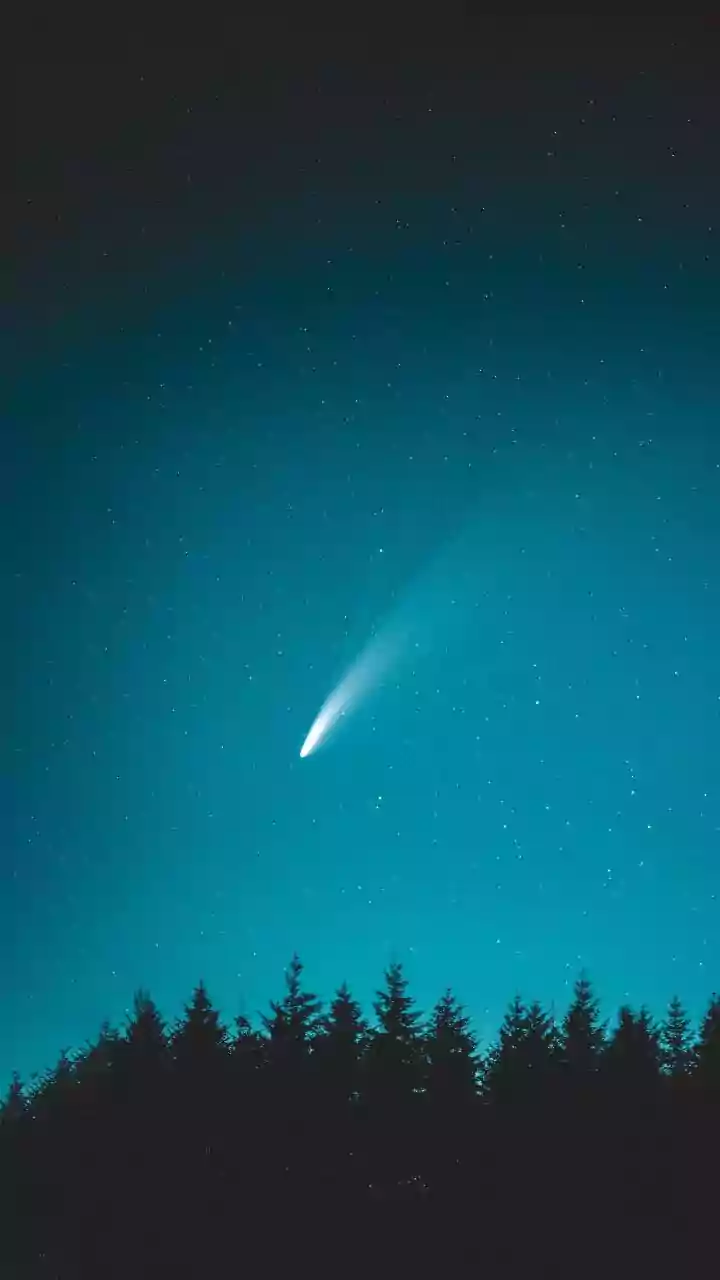
The Orionid meteor shower is an annual event, active from early October to early November. It’s caused by Earth passing through a trail of dusty debris left behind by one of the most famous celestial objects: Halley’s Comet. While the comet itself only
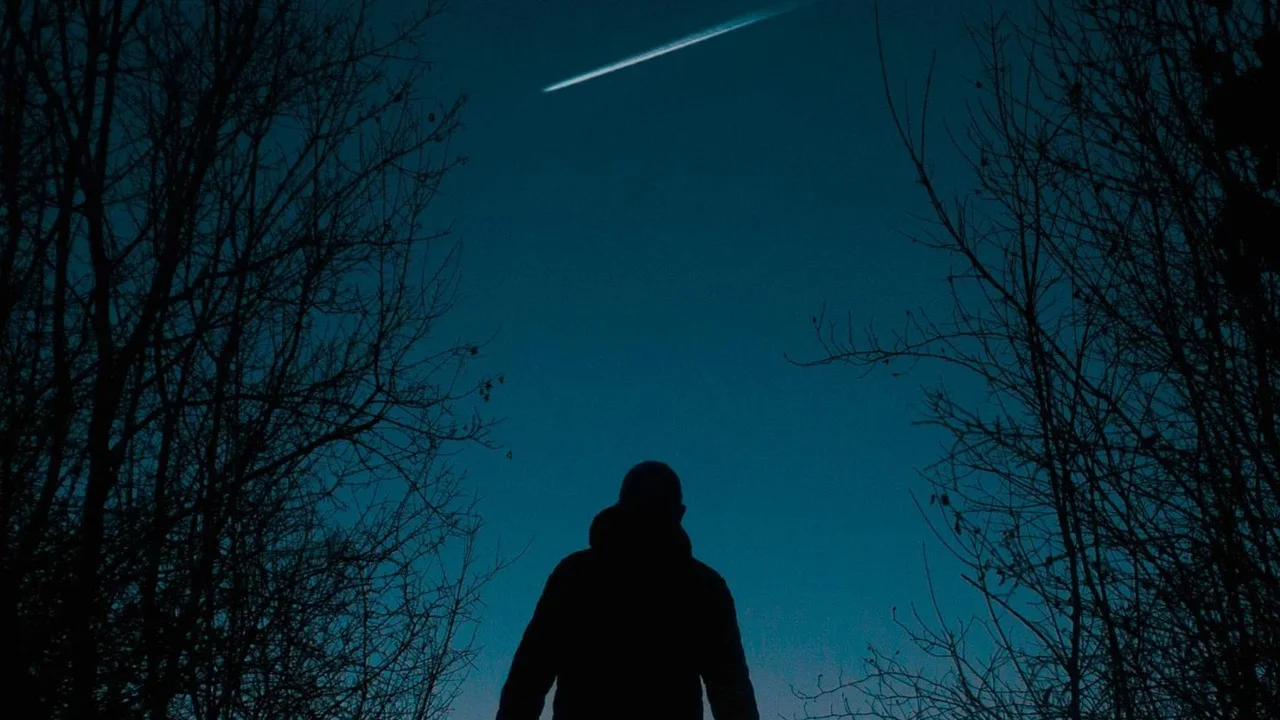
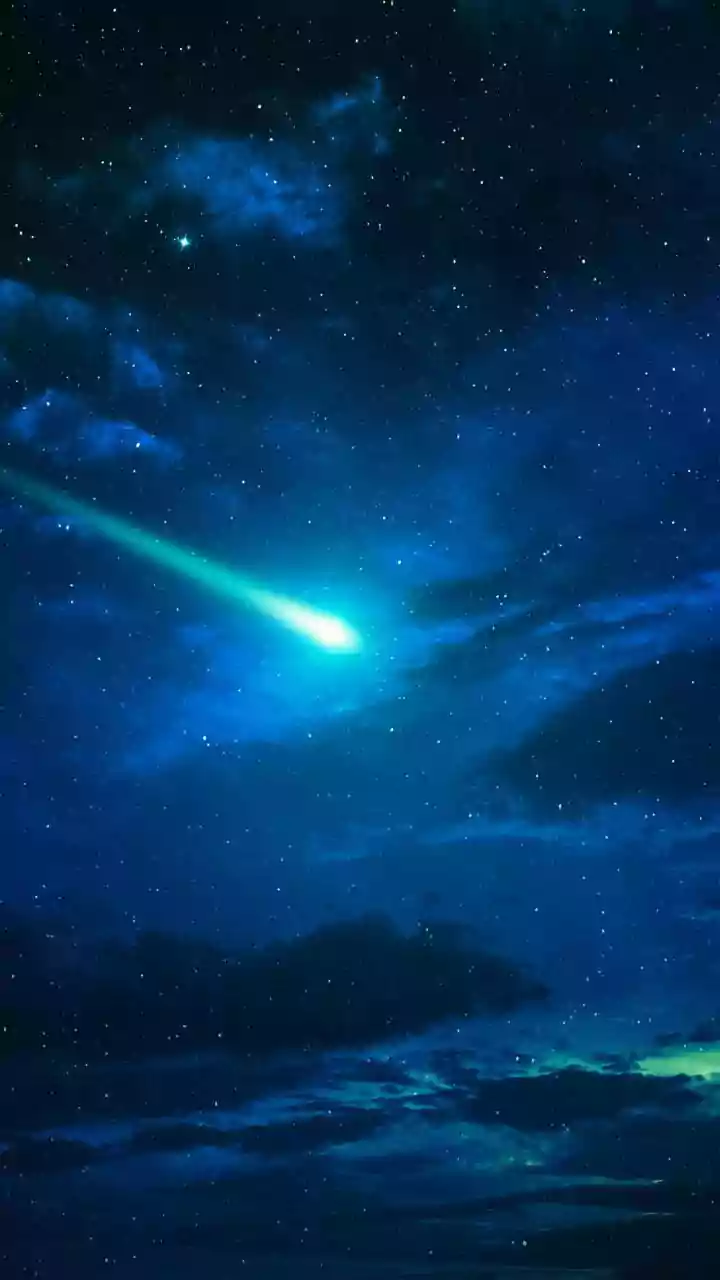
visits the inner solar system every 76 years—with its next appearance in 2061—it leaves behind a gift for us. Each year, as our planet crosses its orbital path, tiny particles, many no bigger than a grain of sand, slam into our atmosphere and burn up, creating the streaks of light we call meteors or shooting stars. The shower is named after the constellation Orion, as the meteors appear to radiate from a point near the hunter's bright star Betelgeuse.
The Need for Speed
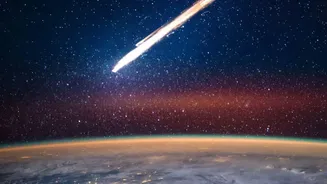
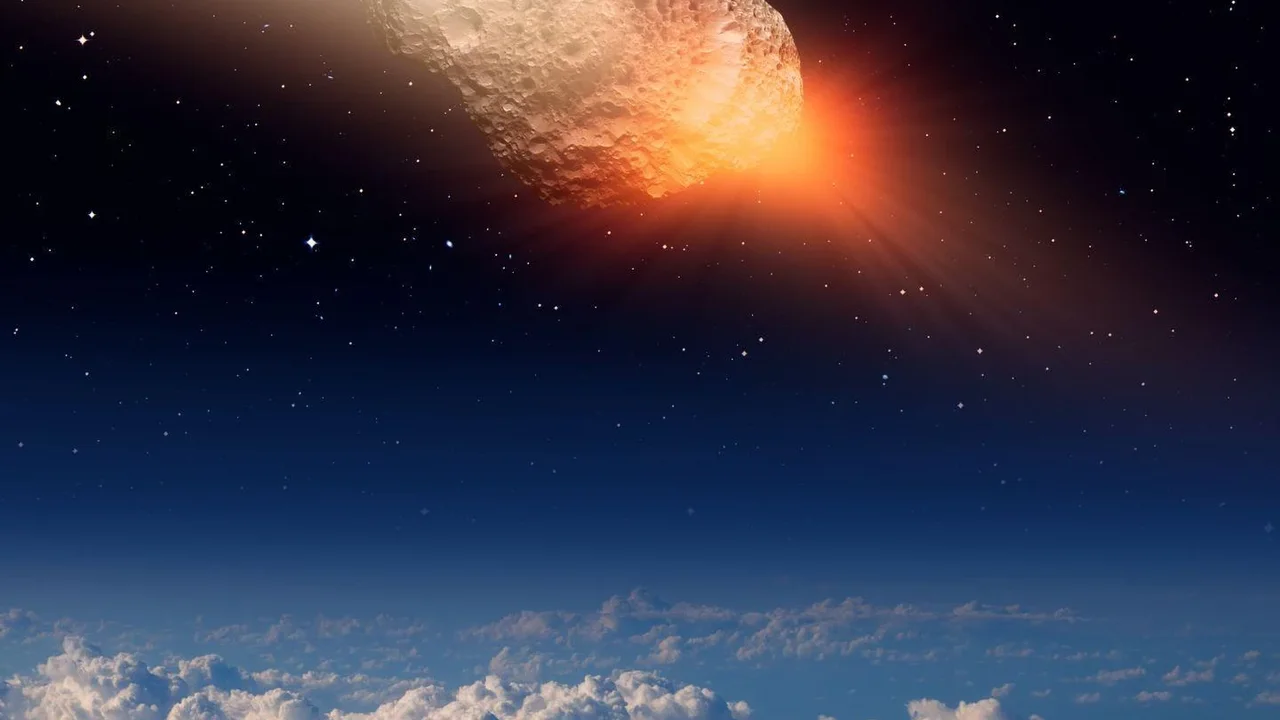
What sets the Orionids apart is their incredible speed. These meteoroids hit Earth’s atmosphere at a blistering 66 kilometres per second, or about 148,000 miles per hour. Only the Leonids in November are faster. This high velocity is a result of a cosmic head-on collision; Earth is moving in one direction around the sun, while the debris from Halley's Comet is traveling in nearly the opposite direction. This tremendous speed means the particles burn up intensely, often creating very bright, dazzling streaks. This intensity is key to their visibility and why they are considered one of the most beautiful showers of the year.
Lingering Trails of Light
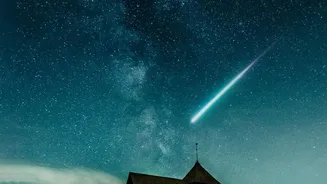
The high speed of Orionid meteors is directly responsible for one of their most mesmerising features: persistent trails, also known as trains. As the fast-moving particle vaporises, it can leave behind a glowing column of ionised gas and debris that lingers in the sky for several seconds or even minutes after the meteor itself has vanished. These glowing trains are often brighter than the initial meteor streak, twisting and contorting in high-altitude winds before they fade. This phenomenon dramatically increases the chance of spotting the evidence of a meteor, even if you miss the initial flash. It’s this afterglow that transforms a fleeting moment into a more sustained spectacle.
A Show for City Dwellers
The brightness of Orionid meteors and their persistent trails make them unusually well-suited for viewing from less-than-ideal locations, such as cities and suburbs. While the faint glow of a typical meteor can be easily washed out by urban light pollution, a brilliant Orionid fireball or its lingering train can cut through the haze. This gives urban stargazers a better chance of seeing something special compared to other, more subtle meteor showers. Of course, the darker your sky, the more you will see, but the Orionids offer a fighting chance for those who can’t escape city lights. The key is to find a spot with a wide view of the sky, away from direct streetlights, and be patient.
How to Watch the Orionids in 2026
The Orionid meteor shower in 2026 will peak on the night of October 21-22. The best time to watch is in the pre-dawn hours, between midnight and sunrise, when the constellation Orion is high in the sky. In 2026, a bright waxing gibbous moon will be present during the peak, which may interfere with viewing for part of the night. However, the moon is expected to set a few hours before dawn, providing a dark window of opportunity to see the show at its best. For optimal viewing, find the darkest spot you can, lie back on a blanket or chair, and give your eyes at least 20-30 minutes to adjust to the darkness. You don't need a telescope; just look up and take in as much of the sky as possible.