



What Exactly Is Fluted Glass?
Fluted glass, also known as reeded or ribbed glass, is a type of textured glass defined by its distinct vertical grooves. Imagine a sheet of glass pressed with a pattern of narrow, rounded channels. This texture is the secret to its magic. It isn’t completely
transparent, nor is it entirely opaque. Instead, it exists in a beautiful middle ground, offering translucency that distorts shapes and figures behind it. This unique quality allows it to maintain a sense of privacy while letting light pour through, just in a softer, more diffused way. Its history dates back to the Art Deco period, but its clean lines give it a timeless quality that feels perfectly at home in contemporary Indian interiors.
The Perfect Balance of Light and Privacy
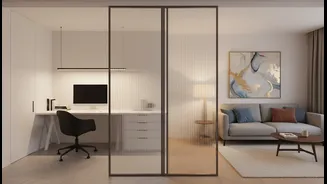
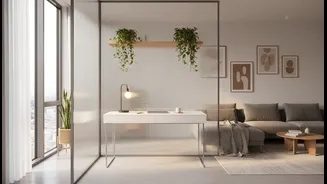
The primary challenge in creating a workspace within a living room or bedroom is separation. A solid wall or a thick curtain might block out household distractions, but it also blocks light, creating a cramped and gloomy nook. This is especially true when your desk is near the only window in the room. Fluted glass solves this problem elegantly. A fluted glass partition allows the sunlight from the window to illuminate both your workspace and the rest of the room. The ribbed texture scatters the light, reducing harsh glare and creating a soft, ambient glow. At the same time, it effectively blurs the view, providing the visual separation needed to mentally 'zone' your work area. You get a defined office space without the claustrophobia of a solid divider.
Smart Ways to Zone Your Corner
Implementing fluted glass doesn't require a complete renovation. For a work corner, one of the most effective solutions is a fixed panel. A floor-to-ceiling pane of fluted glass, framed in slim black aluminium or natural wood, can create a chic and permanent divider that feels intentional and stylish. Another versatile option is a sliding door or partition. This allows for flexibility; you can close off your workspace for deep focus during the day and slide it open in the evening to reclaim the sense of open space. For a more subtle approach, consider a partial-height screen. A panel that rises just above your desk level provides enough privacy to hide clutter and create a psychological boundary, while the vertical lines of the glass draw the eye upward, making the ceiling feel higher.
Aesthetic Appeal and Design Versatility
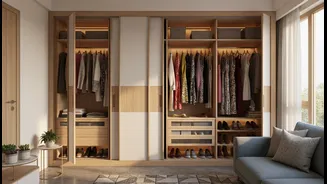
Beyond its functionality, fluted glass is a powerful design tool. Its textured surface adds a layer of depth and visual interest that plain walls or clear glass lack. The rhythmic vertical lines introduce a sense of order and elegance, which works beautifully with minimalist and modern decor schemes that are popular in urban Indian homes. But its versatility doesn't end there. Paired with brass or bronze frames, it can lean into a more luxurious, Art Deco-inspired look. When framed in light wood, it complements a Scandinavian or biophilic aesthetic. Fluted glass is also available in various tints, such as bronze or grey, allowing you to tailor the look to your existing colour palette while further enhancing privacy.
Practical Considerations for Indian Homes
When considering fluted glass, it's wise to think about the practical aspects. For partitions and doors, always opt for toughened or tempered glass for safety and durability. The thickness can vary, with 5mm being common for cabinet inserts and 8mm or 10mm being more robust choices for partitions. In terms of cost, prices in India can start from around ₹200-₹300 per square foot for basic clear fluted glass, with prices increasing for greater thickness, tints, or toughening. For a more budget-friendly alternative, you can apply a high-quality fluted glass film to an existing plain glass panel, which mimics the look at a fraction of the cost. As for maintenance, the grooves can collect dust, but a regular wipe-down with a microfiber cloth and a standard glass cleaner is usually all that's needed to keep it looking pristine.