




Why August is Prime Time for Saturn
While Saturn's official best night of the year—an event called opposition—isn't until early October, the lead-up is often just as spectacular. Throughout August, the planet grows progressively brighter and rises earlier, making it a convenient and rewarding
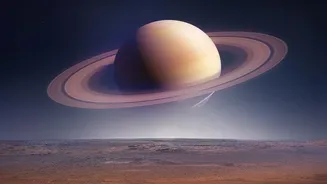
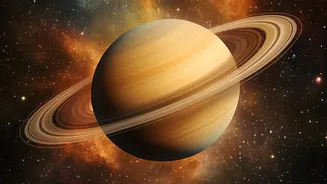
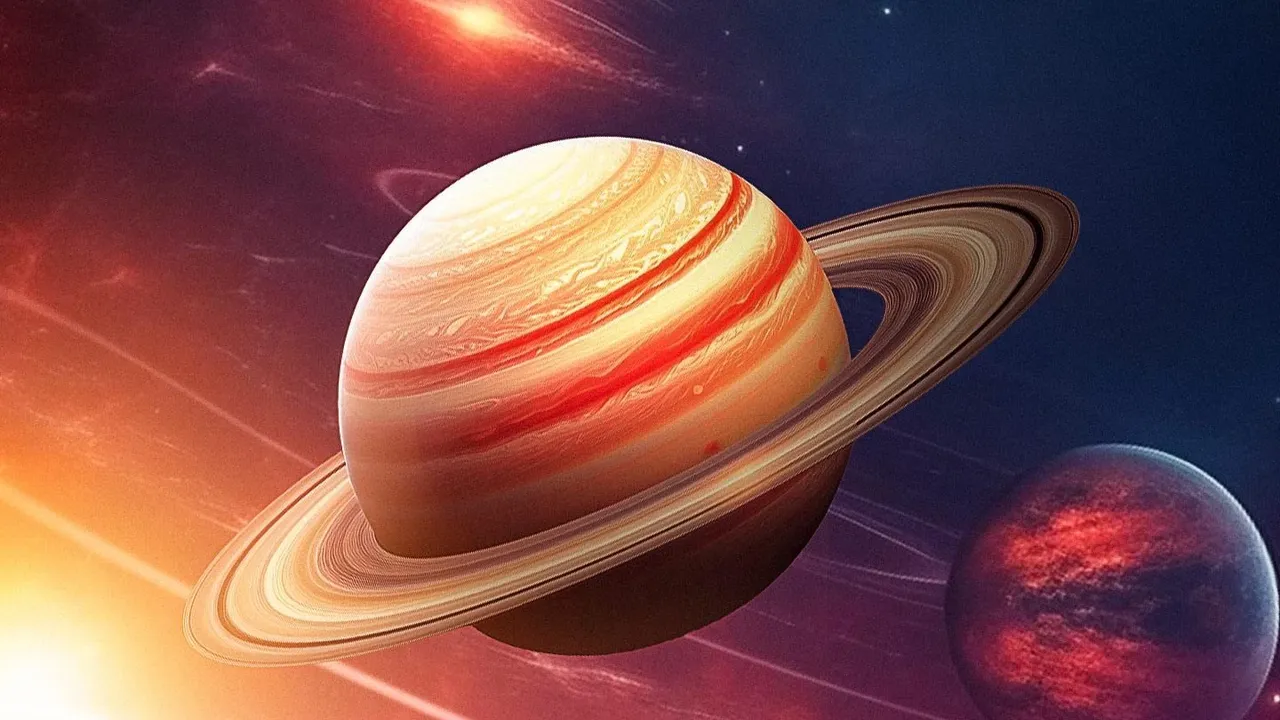
target for skywatchers. In previous months, you would have needed to stay up past midnight to catch a glimpse. Now, Saturn is becoming a true evening planet, rising around 11 p.m. at the start of the month and a much more family-friendly 9 p.m. by the end of it. This month also offers a fantastic view of Saturn's iconic rings. After appearing nearly edge-on from our perspective in 2025, the rings are now tilted back towards Earth at an angle of about 7 to 9 degrees. This makes them clearly visible as a distinct and breathtaking structure, even with modest equipment.
When and Where to Look
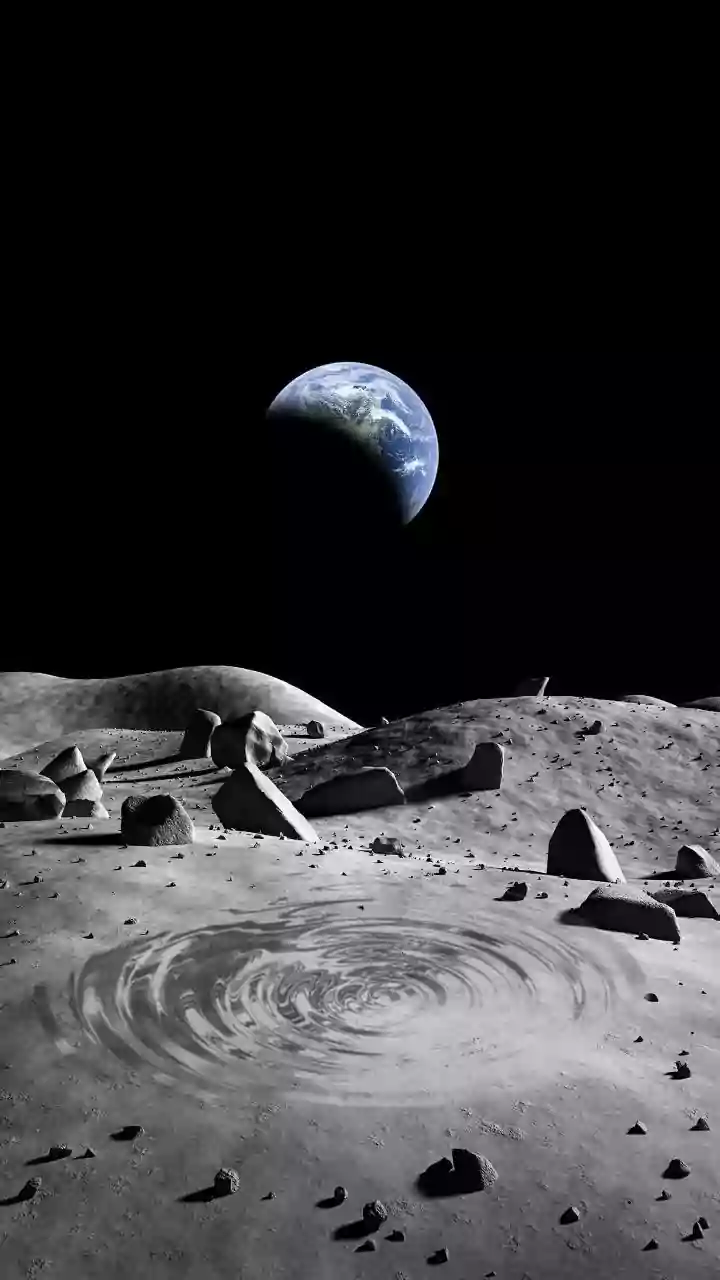
Finding Saturn is simpler than you might think. The planet will be rising in the eastern sky and tracking westward throughout the night. It resides in the constellation Pisces, a patch of sky that doesn't have many bright stars, meaning the steady, yellowish-white light of Saturn should stand out quite clearly. To make it even easier, the Moon acts as a helpful guide on two key nights. On the night of August 4, a waning gibbous Moon will be near Saturn. Even better, on the nights of August 30 and 31, the Moon will pass very close to the planet, making it incredibly easy to identify—just look for the bright, un-twinkling 'star' accompanying the Moon. Saturn will be visible all night long, reaching its highest point in the sky after midnight.
What You'll Need to See It
The beauty of this celestial event is its accessibility. You don't need expensive gear to appreciate Saturn. With just your naked eye, the planet will appear as one of the brightest objects in the night sky, similar to a very bright star. If you have a pair of binoculars, you can get a better sense of its shape; it will look less like a sharp point of light and more like a tiny, elongated oval. For the main event—the rings—a telescope is required, but you might be surprised at how little you need. Even a small beginner's telescope with at least 25x magnification will be able to resolve the rings as a structure separate from the planet itself. A telescope with a 50mm to 70mm aperture will provide a clear, memorable view of the planet and its magnificent ring system. With larger scopes, you may even be able to spot Titan, Saturn's largest moon.
Tips for the Best Viewing Experience
To make your Saturn-gazing session a success, a few simple preparations can go a long way. First, try to get away from the glare of city lights. Finding a darker location like a park or rural area will dramatically increase what you can see. Second, give your eyes time to adjust. It takes about 15 to 20 minutes for your pupils to fully dilate and become accustomed to the dark, so avoid looking at your bright phone screen. If you need help navigating the sky, use a stargazing app on your phone with its red-light mode enabled to preserve your night vision. Finally, get comfortable. Stargazing is a patient activity, so bring a chair, dress in layers as the night cools, and take your time enjoying the view. The universe has been putting on this show for billions of years; it's worth taking a moment to simply look up and enjoy it.