







Why Humidity Is the Real Culprit
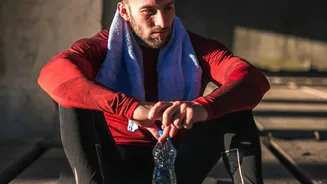
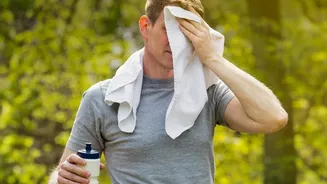
To understand why humidity is such a game-changer, you first need to understand your body's natural cooling system: sweating. When you exercise, your internal temperature rises, and your body produces sweat. In dry conditions, this sweat evaporates from
your skin, creating a cooling effect. But when the air is already saturated with water vapor—which is what high humidity is—your sweat has nowhere to go. Instead of evaporating, it clings to your skin or drips off without providing much cooling relief. This breakdown in your body's cooling process means your core temperature can rise more quickly than it would in drier air, making the workout feel significantly more strenuous.
Your Body's Battle Against Humidity
When your body can't cool itself efficiently, it goes into overdrive. Your cardiovascular system has to work much harder to try and manage the heat. Your heart rate increases as it pumps more blood to the skin's surface in an attempt to dissipate heat. This increased strain can lead to a higher perceived exertion, meaning an exercise session at your usual pace can feel much more intense. This can lead to quicker fatigue, decreased muscle endurance, and even mental fog as your body diverts resources to cope with the thermal stress. It’s a double challenge: your body is working harder just to stay cool, leaving less energy for the actual exercise.
The Great Indoors vs. The Great Outdoors
Exercising outdoors in high humidity often comes with the added challenge of high temperatures and direct sun, a combination that can be particularly draining and risky. However, taking your workout indoors doesn't automatically solve the problem. A poorly ventilated gym or home workout space can quickly become a personal steam room. Sweat from your body and moisture from your breath can accumulate, raising the indoor humidity level. Without proper air conditioning or dehumidification, an indoor space can feel just as oppressive as the outdoors. For general fitness, maintaining an indoor relative humidity level between 40% and 60% is often recommended for comfort, health, and performance. This controlled environment can offer a safer alternative when the heat index outside is dangerously high.
Know the Warning Signs
Pushing too hard in humid conditions can lead to serious heat-related illnesses. It's crucial to listen to your body and recognize the early signs of trouble. Heat exhaustion is a common risk, with symptoms including heavy sweating, dizziness, fatigue, headache, nausea, and a weak, rapid pulse. You might also experience muscle cramps, which are often a sign of dehydration and electrolyte loss. If these symptoms are ignored, heat exhaustion can progress to heatstroke, a life-threatening emergency. The biggest warning sign of heatstroke is a change in mental state, such as confusion, loss of coordination, or losing consciousness, along with a very high body temperature and skin that may be hot but not sweating.
How to Adapt Your Workout
Instead of fighting the humidity, adapt to it. Start by hydrating well before, during, and after your workout, adding electrolytes for longer sessions. Time your outdoor exercise for cooler parts of the day, like the early morning or late evening. Choose lightweight, light-colored, and moisture-wicking clothing to help your body cool itself. Most importantly, adjust your expectations and your intensity. Slow down your pace or shorten your workout duration; a humid day is not the time to aim for a personal best. If you're new to exercising in the heat, give your body time—anywhere from one to two weeks—to acclimate by gradually increasing the duration and intensity of your workouts.