


Garden Soil is Not for Pots
Many budding gardeners make the intuitive but fatal mistake of filling their pots with soil scooped directly from a garden bed or a bag labelled "garden soil." While perfect for the ground, this type of soil is disastrous for containers. In a garden,
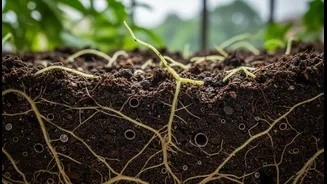
soil is part of a complex ecosystem. Earthworms and microorganisms constantly aerate it, and excess water has the entire earth to drain into. When you confine this dense, heavy soil to a pot, it loses that support system. It becomes compacted with every watering, squeezing out the air pockets that roots desperately need to breathe.
The Science of a Saturated Pot
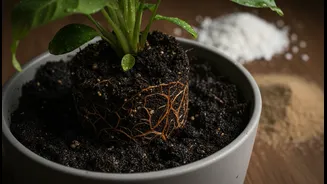
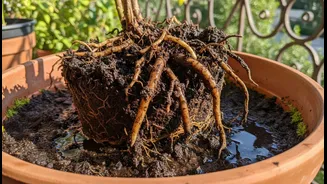
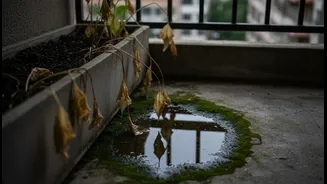
Plant roots require a balance of both moisture and oxygen. When you use garden soil in a pot, its fine particles clump together, creating a dense structure that holds onto water like a sponge. This leads to a phenomenon called a "perched water table," where the bottom layer of soil in the pot remains saturated long after watering. This waterlogged environment starves the roots of oxygen, creating the perfect anaerobic conditions for harmful fungi and bacteria to thrive. The result is root rot, a disease that decays the roots, preventing them from absorbing water and nutrients, effectively drowning the plant even when it's sitting in water.
Anatomy of an Ideal Container Mix
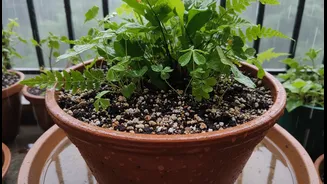
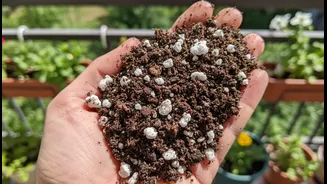
The secret to a healthy container garden lies in using a soilless "potting mix," which is engineered for the unique environment of a pot. A good mix isn't soil at all, but a balanced blend of ingredients that each serve a specific function. The three key components are a base for bulk, an element for moisture retention, and an aggregate for aeration and drainage. This combination ensures the mix is light and fluffy, allowing roots to grow easily while retaining enough water to keep the plant hydrated and enough air to prevent suffocation.
Crafting the Perfect Foundation
You can buy high-quality pre-made potting mixes, or you can easily create your own. A classic and effective DIY recipe follows a simple 1:1:1 ratio by volume: one part for moisture retention, one part for aeration, and one part for nutrients.
- Moisture Retention (1 part): Peat moss or its more sustainable alternative, coconut coir, are excellent choices. They hold onto water and release it as the plant needs it.
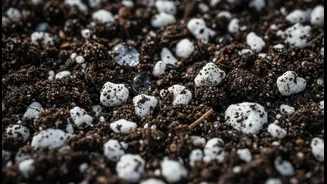
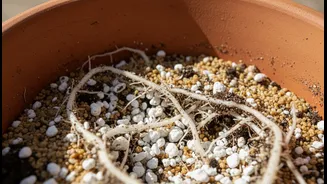
- Aeration (1 part): Perlite or pumice are lightweight volcanic rocks that create essential air pockets in the mix, ensuring excellent drainage.
- Nutrients & Structure (1 part): High-quality compost or worm castings provide a slow release of essential nutrients and beneficial microbes.
Mixing these three components gives you a balanced, lightweight medium that resists compaction and provides your plants with the ideal conditions to thrive.