







The prospect of rising home loan EMIs can be unsettling for any homeowner. If you have a floating rate loan, understanding how interest rate changes affect your monthly payments is the first step toward managing your finances with confidence.
Understanding Your Floating Rate Loan
Most home
loans in India today have a floating interest rate. Unlike a fixed rate, which remains the same for a set period, a floating rate can change. Since October 2019, the Reserve Bank of India (RBI) has mandated that banks link new floating-rate retail loans to an external benchmark. For the vast majority of home loans, this benchmark is the RBI's own repo rate. This system is known as the External Benchmark Lending Rate (EBLR). Your final interest rate is a combination of this external benchmark plus a 'spread' or margin that the bank adds on. This structure was introduced to ensure that changes in the RBI's policy rates are passed on to customers more quickly and transparently.
The RBI's Role in Interest Rates
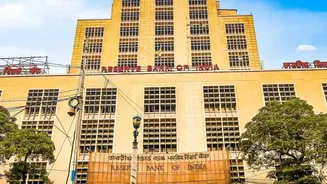
The RBI's Monetary Policy Committee (MPC) meets periodically to decide on the repo rate, which is the rate at which it lends money to commercial banks. This decision is a key tool for managing the country's economic health, primarily to control inflation and foster growth. When the RBI increases the repo rate, it becomes more expensive for banks to borrow funds. Consequently, banks pass on this increased cost to their customers by raising their own lending rates. For example, the RBI raised the repo rate by 25 basis points (0.25%) on October 7, 2026, to 5.50%, signalling a period of 'calibrated tightening' to manage inflation.
How a Rate Hike Reaches Your EMI
When the repo rate changes, it doesn't mean your EMI will change the very next day. Under the EBLR system, banks are required to reset the interest rates on loans at least once every three months. On your loan's next scheduled reset date, the new, higher benchmark rate will be applied. Once the rate increases, lenders must inform you of the impact and your options. Typically, you will face one of two scenarios: either your EMI amount increases, or your loan tenure (the total repayment period) gets longer while the EMI stays the same. Many banks default to extending the tenure because it is administratively simpler, but this means you will end up paying significantly more interest over the life of the loan.
What Are Your Options as a Borrower?
Being informed means you have choices. When faced with a rate hike, you are not powerless. You can proactively manage the situation by considering these options: 1. Increase Your EMI: You can contact your bank and request to increase your monthly EMI amount. This keeps your original loan tenure intact and is the most effective way to minimise the extra interest you pay over the long term. 2. Make Partial Prepayments: If you have surplus funds from a bonus, savings, or other investments, making a lump-sum prepayment can be highly effective. This reduces your outstanding principal amount, which directly cuts down your total interest outgo. There is no prepayment penalty on floating rate home loans for individual borrowers. 3. Refinance Your Loan: Explore a home loan balance transfer. If another lender is offering a significantly lower interest rate, you could switch your loan to them. Before doing this, conduct a thorough cost-benefit analysis to ensure the savings on interest outweigh the processing fees and other charges associated with the transfer. 4. Negotiate With Your Lender: If your credit score has improved substantially since you took the loan, you might have leverage to negotiate a better rate with your current bank before deciding to switch.