

1. Makhan Mishri: An Offering of Pure Love
No Janmashtami bhog is complete without Makhan Mishri. This simple preparation of fresh, unsalted white butter mixed with rock sugar (mishri) is believed to be Krishna’s absolute favourite. According to mythology, his playful childhood antics of stealing
butter earned him the endearing name ‘Makhanchor’ or butter thief. Offering Makhan Mishri is a tribute to his playful spirit and divine innocence. It is an uncooked prasad that symbolises pure, unadulterated devotion and is incredibly easy to prepare. Just combine freshly churned white butter with crushed mishri and offer it with a clean heart.
2. Dhaniya Panjiri: A Unique Festive Prasad
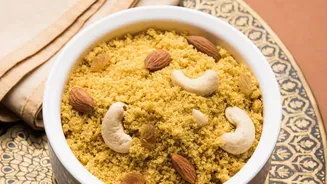
Dhaniya Panjiri is a unique and aromatic sweet specifically associated with Janmashtami. Unlike panjiri made from flour, this version uses roasted and ground coriander seed powder as its base, along with ghee, powdered sugar, and an assortment of dry fruits like almonds, cashews, and melon seeds. It's a warming, nutritious prasad often consumed by devotees after a day of fasting. The earthy fragrance of roasted coriander powder mixed with the richness of ghee and the crunch of nuts makes it a distinctive and cherished offering.
3. Panchamrit: The Sacred Five Nectars
Panchamrit, which translates to 'five nectars', is a sacred concoction essential to Hindu rituals. It is made by combining five pure ingredients: raw milk, curd (yogurt), honey, ghee (clarified butter), and sugar. Each ingredient holds symbolic meaning, representing purity, prosperity, unity, strength, and joy. This mixture is first used for the 'abhishek' or the ritual bathing of the deity's idol at midnight, which is believed to be the time of Krishna's birth. Afterwards, it is distributed among devotees as a blessed prasad, believed to purify the mind and body.
4. Makhana Kheer: A Creamy Fasting Delicacy
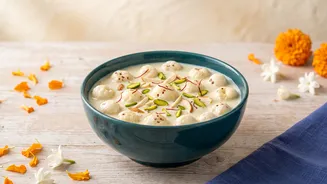
For those observing a fast (vrat) on Janmashtami, Makhana Kheer is a perfect bhog offering. Makhana, or puffed lotus seeds, are roasted in ghee until crisp, then simmered in milk until it thickens into a creamy pudding. Sweetened with sugar and delicately flavoured with cardamom and saffron, this kheer is both light and indulgent. It's a wonderful alternative to rice-based kheers and is considered a sattvic (pure) food, making it an ideal dish to include in the festive meal prepared to break the fast.
5. Gopalkala: A Taste of Krishna’s Childhood
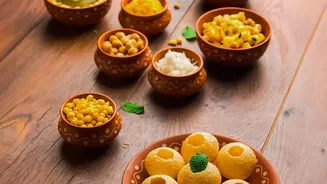
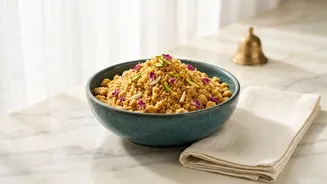
Gopalkala, also known as Dahi Kala, is a savoury Maharashtrian dish that beautifully captures the stories of Krishna's childhood. Legend says that Krishna would mix the food brought by his cowherd friends (gopas) with his own, creating a delicious mix. This no-cook recipe replicates that sentiment. It's a wholesome mixture of flattened rice (poha), yogurt, fresh cucumber, grated coconut, and simple seasonings like ginger and green chilli. This dish represents community and sharing, reminding everyone of the joyful and collective spirit of the festival.
6. Nariyal Ladoo: A Sweet and Simple Treat
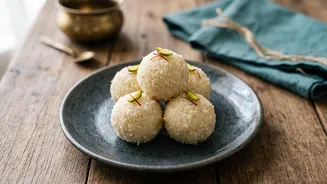
To add more variety to the bhog platter, Nariyal Ladoos (coconut sweets) are an excellent choice. They are quick, simple, and require only a few ingredients, primarily grated coconut and condensed milk or sugar. Flavoured with a hint of cardamom powder, these sweet, chewy balls are easy for anyone to make. Their preparation doesn't involve complex steps, aligning with the idea that bhog is more about the purity of intent and devotion than culinary expertise. They round out the festive offerings with a touch of familiar, homemade sweetness.