



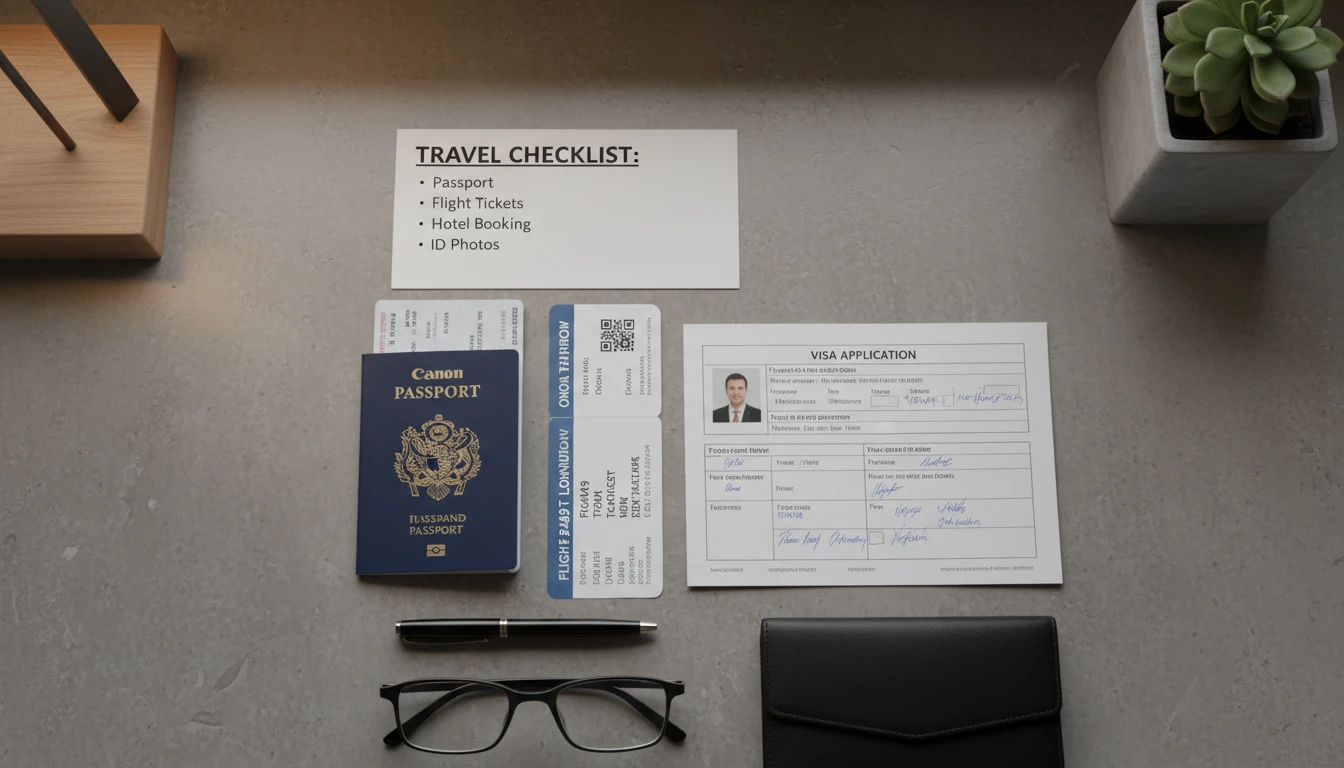




The Old Rulebook Is Out
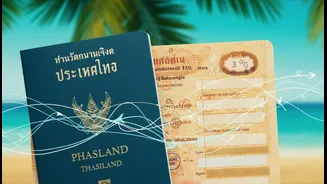
For a while, Thailand offered a generous 60-day visa exemption to travellers from 93 countries, a measure designed to boost post-pandemic tourism. However, the Thai government has officially cancelled this broad scheme in mid-2026, citing concerns over misuse
and a need to enhance national security. This decision marks a major shift in the country's approach, moving away from a one-size-fits-all policy to a more structured system. For many who had grown accustomed to the ease of a two-month visa-free stay, this change requires a fresh look at travel planning. The new framework aims to balance economic stimulus with better monitoring of foreign nationals.
Good News for Indian Tourists
Amid the sweeping changes, there is clear and positive news for Indian passport holders. India is now included in a list of 59 countries granted a 30-day visa-free stay. This new, streamlined policy replaces the previous and sometimes confusing visa-on-arrival system for Indians. The decision was made after Thai authorities noted a decline in tourists from India, a key market, due to uncertainty over the visa rules. This move not only provides clarity but also a direct budget benefit: you no longer have to plan for a visa-on-arrival fee upon landing. For a typical holiday of a few weeks, travel is now simpler and slightly cheaper.
Want to Stay Longer Than 30 Days?
With the 60-day visa-free allowance gone, what happens if your dream trip is a month and a half long? The most practical option for most tourists is to enter using the 30-day visa exemption and then apply for an extension while in the country. You can typically extend your stay for another 30 days by visiting a local Thai immigration office. This process involves paperwork and an extension fee, which is usually 1,900 THB. So, a 60-day holiday is still very possible, but it now requires an administrative step and an extra line item in your budget. It’s a change from the past but a manageable one for those who want to explore the country more deeply without committing to a long-term visa.
The New Long-Stay Option: Destination Thailand Visa
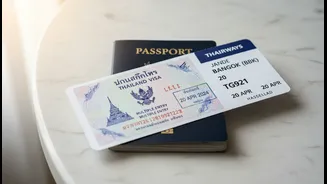
For those dreaming of a much longer escape—digital nomads, remote workers, or students of Thai culture—the government has introduced the Destination Thailand Visa (DTV). This visa is a game-changer for long-term stays. It is valid for five years with multiple entries. On each entry, you can stay for up to 180 days, and you can even extend that for another 180 days, allowing for a visit of nearly a full year. It's specifically designed for individuals who aren't traditional tourists, such as those working for foreign companies or enrolling in long-term courses like Muay Thai, cooking, or other cultural programs.
The DTV's Big Catch: The Financial Proof
While the DTV sounds perfect for an extended sabbatical, it comes with a significant financial barrier that places it out of reach for many budget backpackers. To qualify, applicants must be at least 20 years old and show proof of holding a minimum of 500,000 THB in savings. This is to ensure that long-stay visitors can support themselves without working illegally. In addition to the savings requirement, the visa itself has an application fee of 10,000 THB. This means the DTV is a fantastic option for financially stable remote professionals or dedicated students, but it is not a replacement for the visa runs and casual long stays that defined budget travel in Thailand for years.