






Why Humidity Derails a Good Night's Sleep
To fall asleep and stay asleep, your body's core temperature needs to drop slightly. One of the primary ways the body cools itself is through sweating; the evaporation of sweat from your skin releases heat. However, when the air in your room is already
saturated with moisture—in other words, when humidity is high—that sweat can't evaporate effectively. Your body's natural air conditioning system fails, leaving you feeling warm, clammy, and restless. High humidity doesn't just make you feel hot; it can actively disrupt your sleep cycles, reducing the time you spend in the most restorative stages of deep sleep and REM sleep. Furthermore, humidity levels above 60% can encourage the growth of mould and dust mites, which can trigger allergies and respiratory issues that further disturb sleep.
The Ideal Numbers for Your Sleep Sanctuary
While personal comfort varies, scientific research points to a clear sweet spot for both temperature and humidity. For most adults, the ideal bedroom temperature is between 15°C and 19°C (60-67°F). More importantly, the optimal relative humidity level should be between 30% and 50%. If the air is too dry (below 30%), it can lead to a dry throat, irritated nasal passages, and itchy skin. If it's too damp (above 50-60%), it creates that sticky feeling and becomes a breeding ground for allergens. Achieving this balance is the key to unlocking a truly comfortable and restorative sleep environment.
Strategy for High-Humidity Nights
In many parts of India, especially during the monsoon or in coastal regions, humidity is the main challenge. On these nights, simply lowering the thermostat isn't the most effective or energy-efficient solution. The goal should be dehumidification. Many air conditioners have a 'Dry Mode', which is specifically designed for this purpose. In dry mode, the AC runs the compressor intermittently and the fan at a lower speed, focusing on pulling moisture from the air rather than aggressively cooling it. This can make a room feel significantly more comfortable even at a slightly higher temperature, while also using less energy than the standard 'Cool Mode'. If your AC lacks this feature, or for maximum effect, a dedicated dehumidifier is an excellent investment to keep humidity in the ideal 30-50% range. Improving ventilation by opening windows when the outside air is cooler and less humid can also help.
Tackling Dry Air for Comfortable Breathing
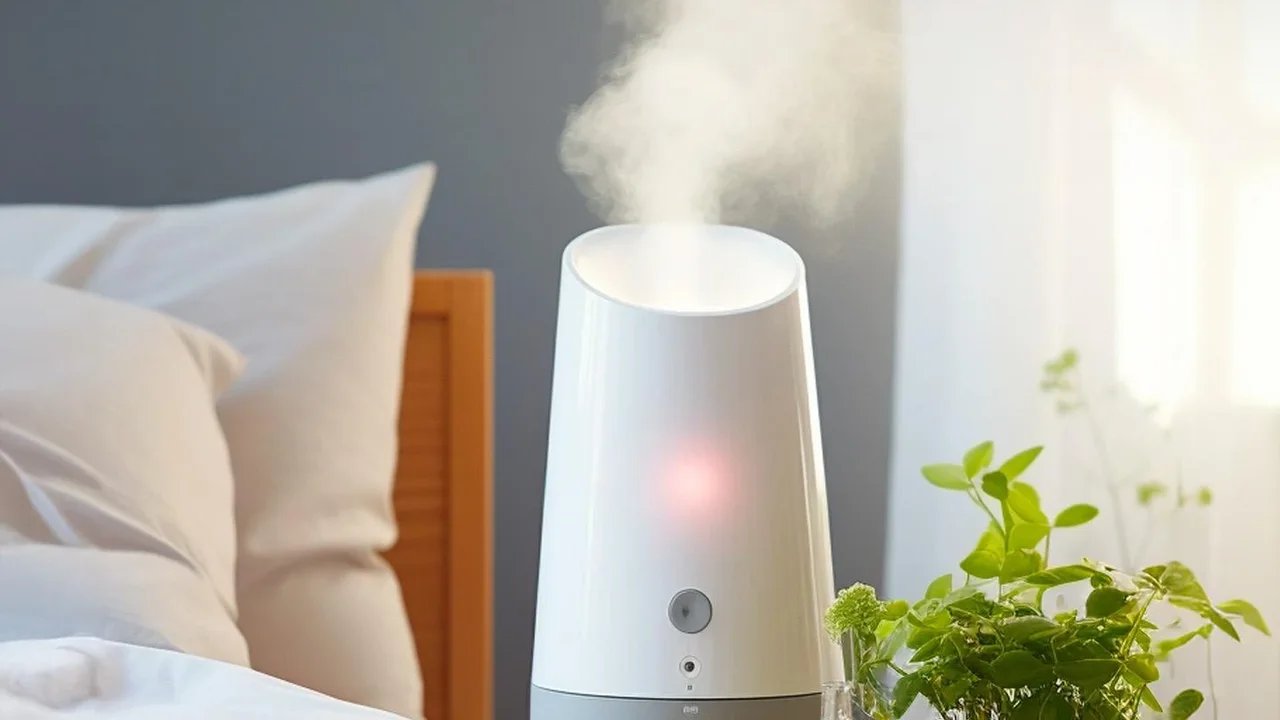
On the other end of the spectrum, dry air—common in winter months, especially when heaters are in use, or in arid climates—presents its own set of sleep problems. Air with humidity below 30% can dry out your mucous membranes, leading to a sore throat, coughing, cracked lips, and even nosebleeds, all of which can fragment your sleep. In this scenario, adding moisture to the air is necessary. A humidifier is the most direct tool for this job, allowing you to bring the room's humidity up to a more comfortable 40-50% level. Some simple, low-tech solutions include placing a bowl of water in the room or letting laundry air-dry in your living space to naturally release moisture into the atmosphere.
Measure to Manage: Know Your Numbers
You can't manage what you don't measure. To effectively tailor your cooling strategy, it’s helpful to know the actual humidity level in your bedroom. A simple and inexpensive digital tool called a hygrometer can measure and display both the temperature and the relative humidity of a room. Some smart thermostats and indoor air quality monitors also include this function. By knowing your room's specific conditions, you can make informed decisions—whether that means turning on the AC's dry mode, running a dehumidifier during a humid spell, or switching on a humidifier when the air becomes too dry. This data-driven approach takes the guesswork out of creating the perfect sleep sanctuary.