




Why Monsoon Is the Perfect Start
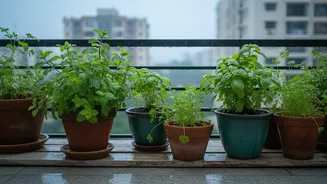
The rainy season provides a unique advantage for budding gardeners. The increased humidity, natural moisture, and moderate temperatures create an ideal environment for many herbs to flourish. What might seem like a challenge—overcast skies and constant
rain—is actually a blessing for plants that thrive in these conditions. This natural nurturing means less time spent watering and more time watching your garden grow. For many urbanites, what started as a lockdown hobby has become a permanent lifestyle choice, driven by a desire for fresh, pesticide-free food that travels seconds from pot to plate.
Your Monsoon Herb Starter Pack
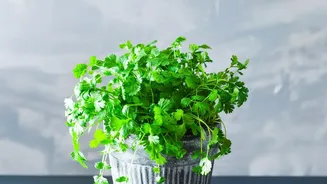
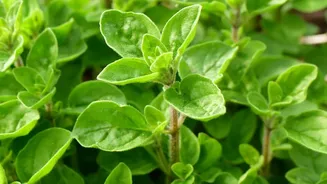
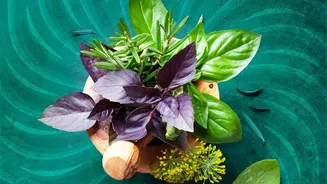
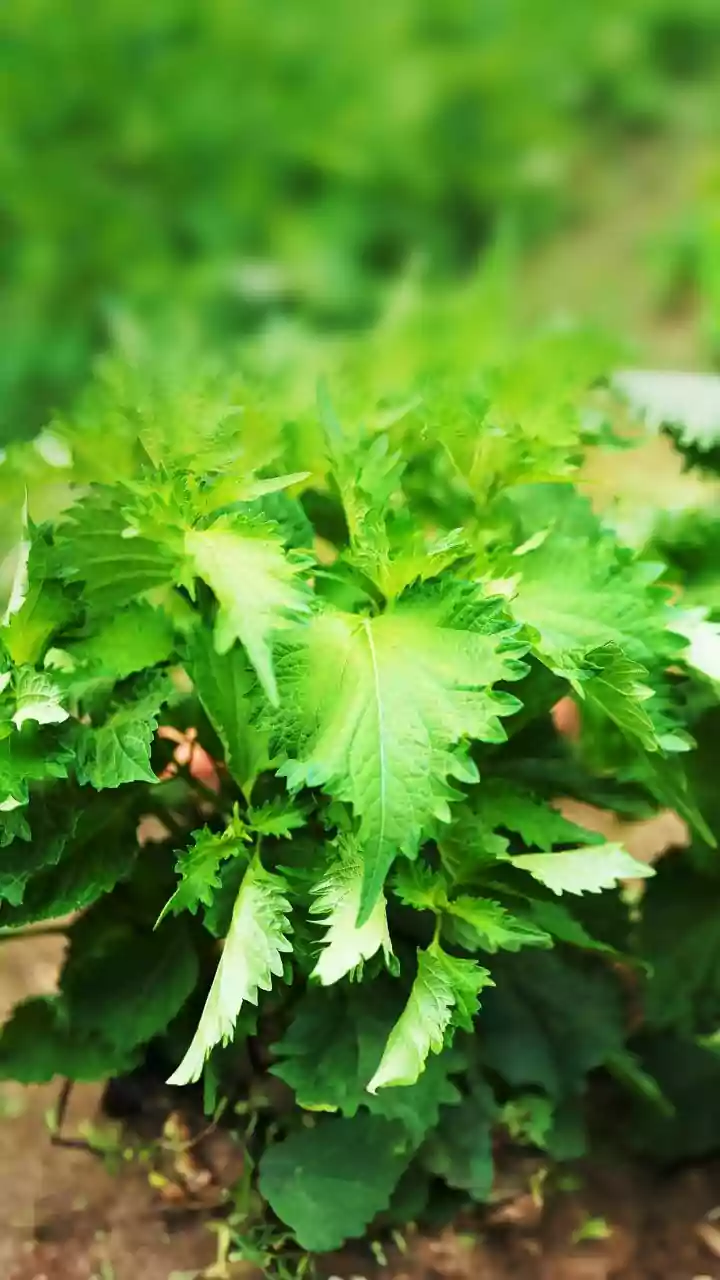
Not all herbs are created equal when it comes to handling the Indian monsoon. Starting with the right plants is key to success. Here are a few beginner-friendly options that thrive in the season's humidity: Mint (Pudina): Incredibly easy to grow, mint loves moisture and can be planted in a separate pot as it tends to spread. It's perfect for teas, chutneys, and garnishes. Tulsi (Holy Basil): A staple in Indian households, Tulsi is known for its immunity-boosting properties, making it especially useful during the monsoon. It needs well-drained soil and a spot with indirect sunlight. Coriander (Dhania): A must-have for Indian cuisine, coriander grows quickly in the cooler, moist weather of the monsoon. You can start harvesting leaves in just a few weeks. Lemongrass: This fragrant herb loves warm and humid conditions. Its refreshing scent is a bonus, and it can be used in teas and soups. * Fenugreek (Methi): Another fast-grower, methi seeds can be scattered in a shallow tray. The leaves are ready for a quick harvest, often in just a couple of weeks.
Setting Up for Success
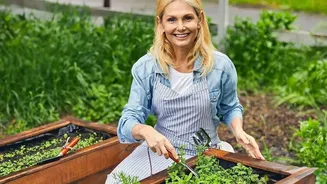
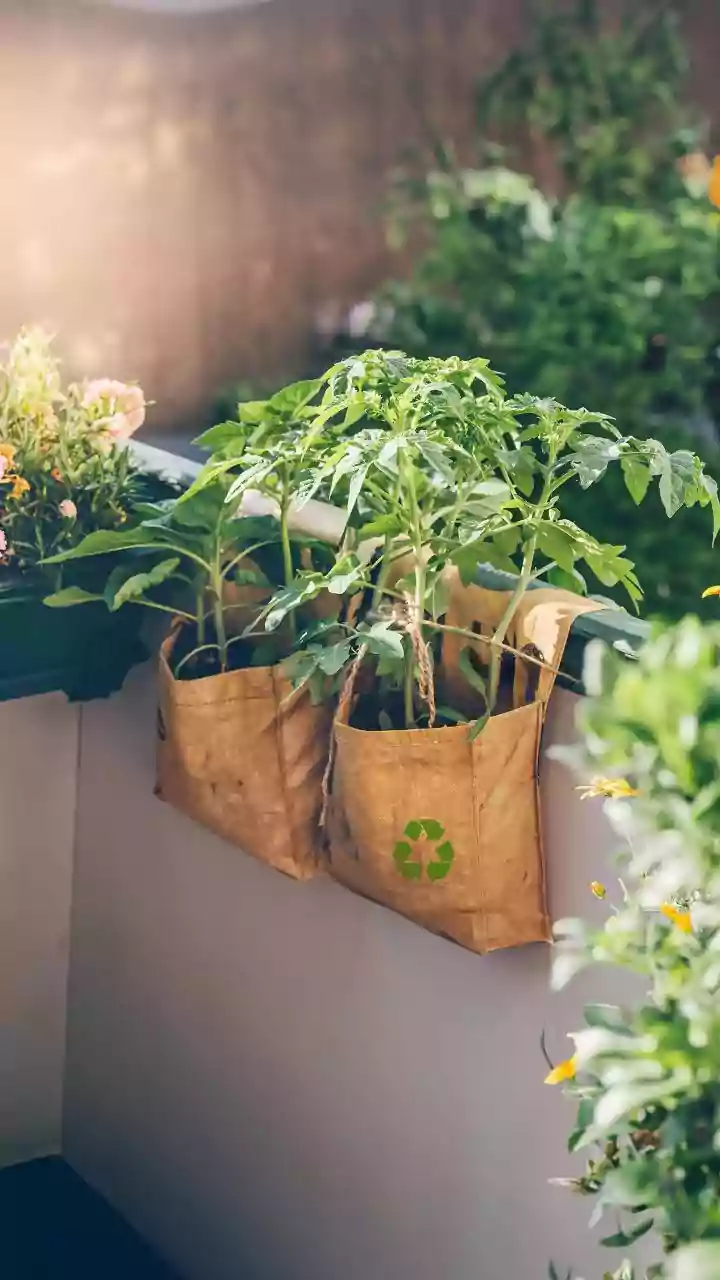
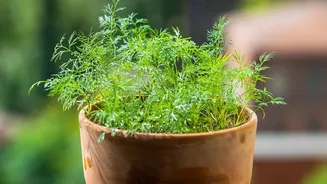
You don’t need a large backyard to create a thriving herb garden. A small balcony, a sunny windowsill, or even a collection of railing planters can be enough. The most critical factor for monsoon gardening is drainage. Plants hate having 'wet feet,' and waterlogged soil can lead to root rot, one of the biggest challenges of the season. Choose terracotta pots with plenty of drainage holes. For your soil, use a light, well-aerated potting mix. A combination of garden soil, compost, and cocopeat or sand will ensure that excess water drains away while retaining enough moisture for the roots. Raising your pots slightly on bricks or stands can also dramatically improve drainage and airflow.
Essential Monsoon Care
While the rain takes care of some of the work, monsoon gardening requires specific attention. With constant rain, you'll need to water your plants less frequently. Always check the soil first; if the top inch feels moist, hold off on watering. The high humidity also creates a perfect breeding ground for pests and fungal diseases. To combat this, ensure good air circulation by not overcrowding your plants. Regularly inspect your herbs for any signs of trouble, like discoloured leaves or pests. A simple, natural spray of neem oil can be an effective preventative measure. Finally, prune your herbs regularly. Trimming not only encourages bushier, healthier growth but also provides you with a constant supply of fresh flavours for your kitchen.