






The Double Impact of Heat and Humidity
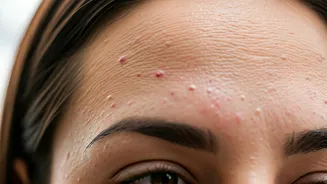
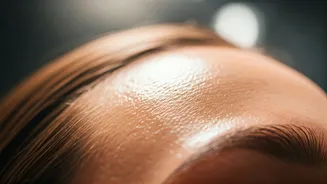
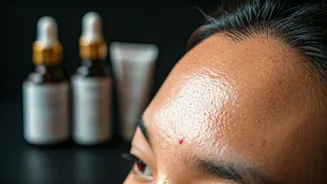
The primary culprits behind a summer oil surge are high temperatures and humidity. When it's hot, your sebaceous glands can increase their sebum (oil) production. Some dermatologists note that for every one-degree rise in temperature, oil production can increase by
about 10%. Heat also reduces the viscosity of this oil, allowing it to flow more readily to the skin's surface, creating that familiar shiny appearance. Humidity compounds the issue. With more moisture in the air, sweat doesn't evaporate as quickly from your skin. This mixture of sweat and excess oil can create a greasy film, leading to clogged pores and an ideal environment for acne-causing bacteria to thrive.
The Sun's Deceptive Role
While a little sun on your face might feel good, prolonged exposure can be problematic for oily skin. The sun's UV rays can dehydrate the skin, and when your skin becomes dehydrated, it often tries to compensate by producing even more oil. This creates a vicious cycle of oiliness. Furthermore, sun exposure can thicken the outer layer of the skin, which can block pores and contribute to breakouts. Using the wrong kind of sunscreen, especially heavy or oil-based formulas, can further clog pores and exacerbate the problem. It is crucial to protect your skin, but the key is using the right products.
Adapt Your Cleansing Strategy
While it's tempting to wash your face multiple times a day when it feels greasy, over-washing can be counterproductive. Stripping your skin of its natural oils can trigger it to produce even more to compensate. Instead, stick to cleansing twice a day—once in the morning and once at night. Opt for a gentle, foaming cleanser that is labelled 'non-comedogenic,' meaning it won't clog pores. Look for products containing salicylic acid, a beta-hydroxy acid (BHA) that is oil-soluble and can penetrate deep into pores to dissolve excess oil and dead skin cells. After sweating or working out, it's a good idea to rinse your face with water or use gentle cleansing wipes if a full wash isn't possible.
Moisturise, Don't Skip It
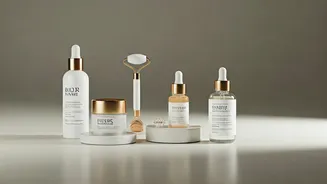
It may seem counterintuitive, but moisturising is a non-negotiable step, even for the oiliest of skin types. As mentioned, dehydrated skin produces more oil. The key is to switch from heavier winter creams to lightweight, oil-free formulas. Gel-based moisturisers are an excellent choice for summer as they provide necessary hydration without feeling heavy or greasy. Look for ingredients like hyaluronic acid, which is a humectant that draws moisture into the skin without adding oil. Another beneficial ingredient is niacinamide, a form of vitamin B3 that can help regulate sebum production, minimise the appearance of pores, and reduce inflammation.
Choose Your Sunscreen Wisely
Sun protection is essential every day, but particularly in summer. For those with oily skin, the challenge is finding a sunscreen that doesn't feel like a greasy mask. Look for sunscreens that are labelled 'oil-free' and 'non-comedogenic' to prevent clogged pores. Water-based or gel formulations are often more comfortable and absorb quickly. Mineral sunscreens containing zinc oxide or titanium dioxide can also be a good option as they sit on top of the skin and can sometimes have a mattifying effect. Applying sunscreen should be the final step in your morning skincare routine, after your moisturiser.
Smart Lifestyle Adjustments
Beyond skincare products, a few lifestyle tweaks can make a difference. Stay hydrated by drinking plenty of water throughout the day to help balance your skin from the inside out. While the link between diet and acne is complex, some people find that foods high in refined sugars and unhealthy fats can trigger breakouts. Also, be mindful of what touches your face. Keep your hands away from your face to avoid transferring bacteria and oil. After swimming, rinse off any chlorine or saltwater, and after sweating, change out of damp clothing as soon as possible to prevent body breakouts on your chest and back.