




Anatomy of a Peak Day
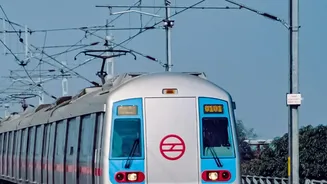
On certain days, the Delhi Metro network transforms into a human river, carrying a staggering number of passengers. The system has proven its capacity by handling over 7.1 million journeys in a single day, a milestone achieved in late 2023. Such peaks
are often seen around major festivals like Raksha Bandhan or Bhai Dooj, when people travel across the city to meet family. These events test the metro's limits, pushing every part of the vast network to perform with flawless efficiency. A record day is a complex ballet of train operations, crowd management, and technical precision. For the Delhi Metro Rail Corporation (DMRC), these are not just days of high revenue, but a powerful demonstration of the system's robustness and its indispensable role in the life of the capital.
The Automated Powerhouses
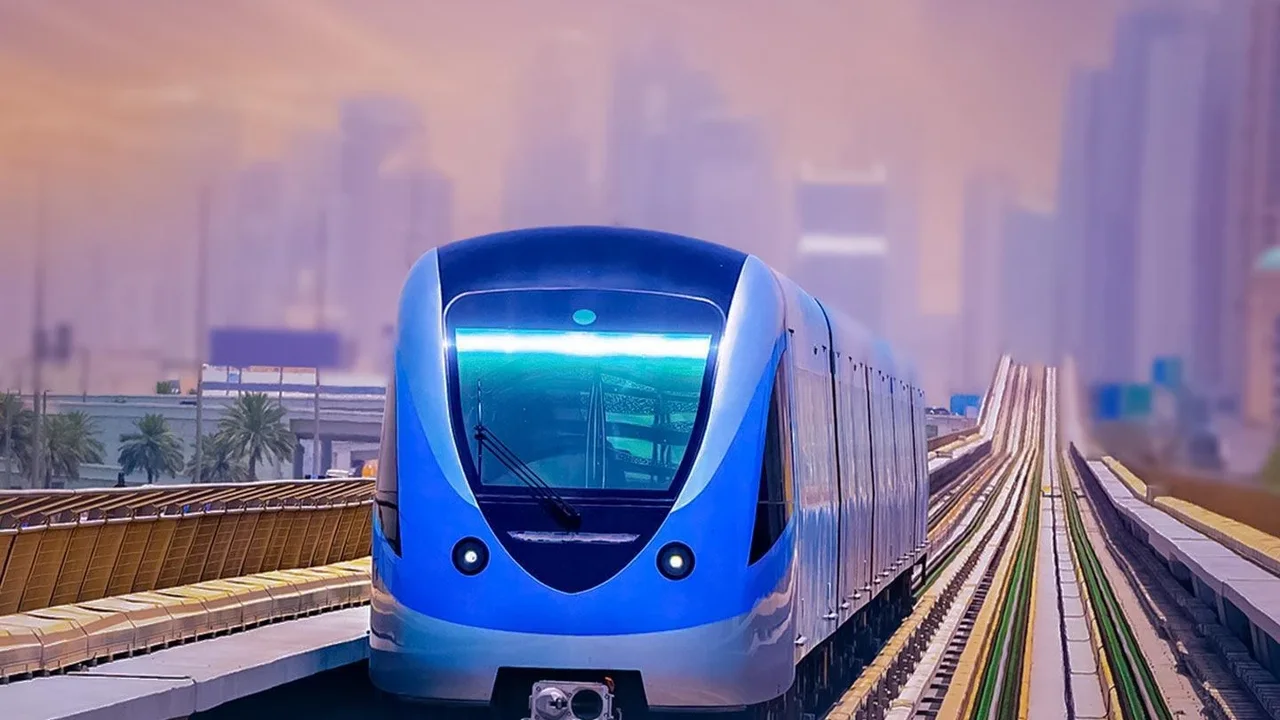
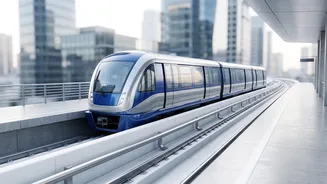
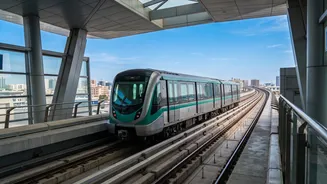
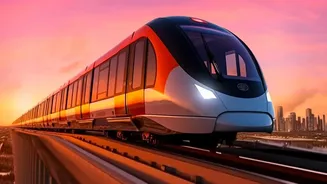
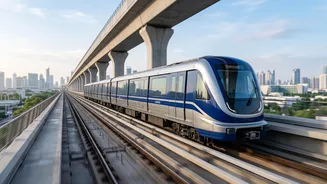
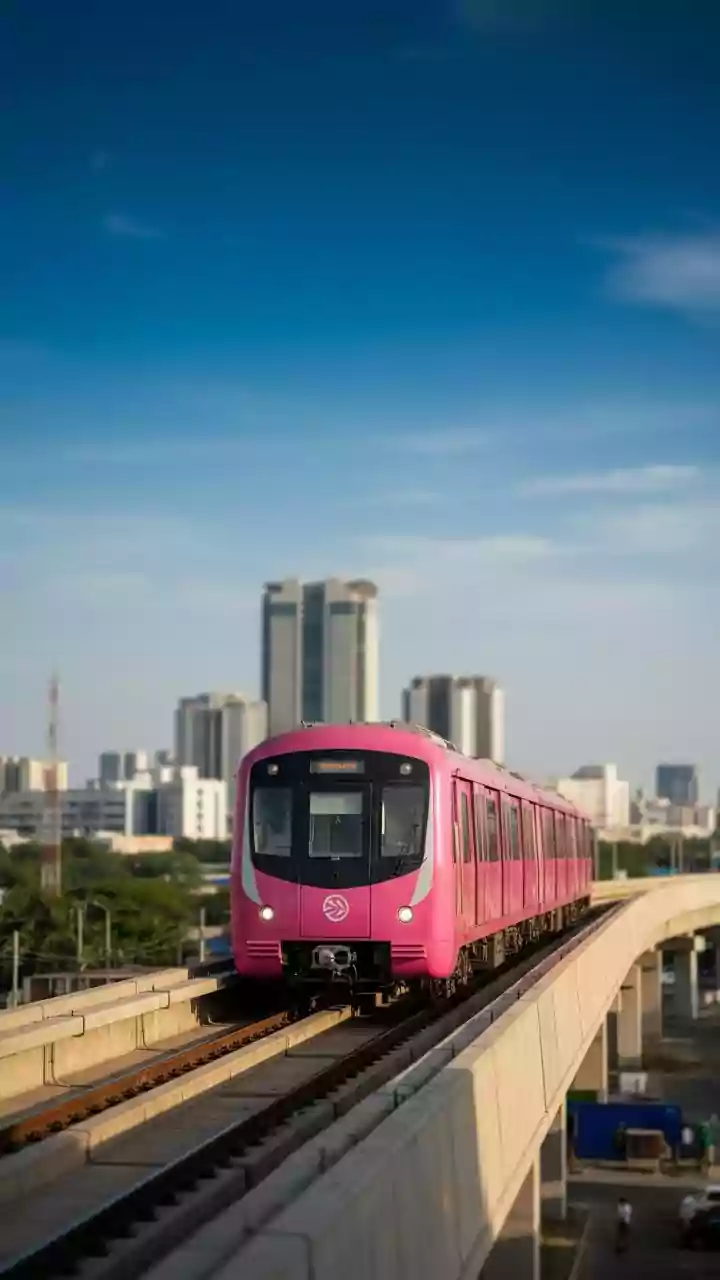
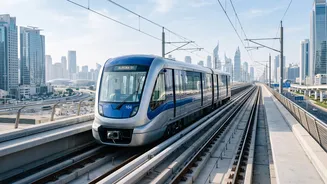
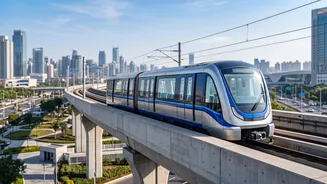
At the heart of this high-capacity performance are the network’s most modern corridors: the Pink Line and the Magenta Line. These are not just regular metro lines; they are India's pioneering foray into large-scale automated transit, operating with Unattended Train Operation (UTO) technology. While they may not have attendants in the cabin, these trains are under constant digital supervision. This automation is key to handling record-breaking crowds. It allows for higher frequency, with trains running just seconds apart, something that is difficult to achieve with manual operation. This precision means that during a massive rush, the system can deploy services rapidly, clearing crowded platforms faster and moving more people per hour than ever before, making them the silent workhorses of the network on its busiest days.
Building Trust in Technology
When India’s first driverless metro was inaugurated on the Magenta Line in 2020, it was met with both awe and a healthy dose of public skepticism. The idea of a train with no human driver was a significant mental leap for many commuters. However, the DMRC has systematically built trust through flawless execution. The system's safety is multi-layered, from advanced signalling that prevents collisions to platform screen doors that eliminate the risk of accidents on the tracks. Every journey completed safely and efficiently has been a vote of confidence. Today, for the millions who use the Pink and Magenta lines, the 'driverless' aspect is no longer a novelty but a guarantee of a punctual, reliable, and smooth commute. This journey from skepticism to acceptance is a major success story in the adoption of advanced public technology in India.
The Lifeline of a Megacity
With a network spanning hundreds of kilometres, the Delhi Metro has fundamentally reshaped the National Capital Region. It has stitched together far-flung neighbourhoods, connecting residential areas with commercial hubs, educational institutions, and healthcare facilities. For millions, it represents social mobility and economic opportunity. By offering a safe, affordable, and air-conditioned alternative to congested roads, it has also become a crucial weapon in the city's fight against air pollution. The success of the automated lines is a key chapter in this larger story. By increasing the network’s overall efficiency and capacity, they strengthen the metro's role as the sustainable backbone of a modern megacity, making daily life more manageable for its residents.
A Blueprint for Urban India
The success of Delhi's 97-kilometre driverless network—one of the largest in the world—has not gone unnoticed. It has established a powerful blueprint for other Indian cities grappling with urbanisation and traffic woes. Cities like Bengaluru, Mumbai, and Chennai are already in various stages of incorporating driverless technology into their upcoming metro phases. Delhi’s experience provides a valuable roadmap, demonstrating not only the technical feasibility but also the path to gaining public trust and achieving operational excellence. It proves that India can implement and master world-class public transit technology, setting a new standard for what citizens can expect from their urban infrastructure and paving the way for a future of smarter, cleaner cities across the country.