








A Shift Beyond the Material
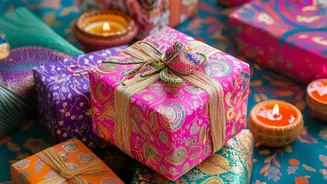
The act of giving and receiving gifts is central to Indian festivities, from Diwali to Christmas and beyond. Traditionally a time of abundance and often, excess, a new-generation of Indian shoppers is redefining what it means to give a meaningful gift.
They are looking past the glitter of factory-made products and seeking items with a story, a purpose, and a conscience. This isn't just a niche trend; it's a significant cultural shift. A 2025 report noted that sustainability has become a major driver for consumers, with a high percentage of shoppers opting for eco-friendly options and preferring brands that align with tradition. This change reflects a move from purely material value to one that incorporates ethical and emotional significance.
The Eco-Conscious Consumer Emerges
At the heart of this trend is a heightened awareness of environmental issues. Young Indians, particularly Gen Z and Millennials, are acutely aware of challenges like climate change, pollution from plastic waste, and the carbon footprint of mass production. This eco-consciousness, once a fringe concern, is now a core value driving purchasing decisions. Consumers are actively seeking products that are biodegradable, reusable, and ethically produced. This has led to a boom in gifts like plantable stationery, organic food hampers, and decor made from natural fibres. Reports show that a significant majority of Gen Z consumers are willing to pay more for products that are environmentally responsible, signalling a long-term market transformation.
Championing India's Artisanal Heritage
This movement is also deeply intertwined with a renewed appreciation for local craftsmanship. The 'vocal for local' sentiment has encouraged consumers to look inward and support India's vast community of rural artisans. Handmade gifts, whether it's intricate terracotta, hand-painted textiles, or traditional metalwork, offer a direct connection to India's rich cultural heritage. By choosing these products, young consumers feel they are not just buying a gift, but also helping to preserve generational skills and provide sustainable livelihoods for artisan communities. This choice is a powerful statement against the homogenisation of global fast-fashion and mass-produced goods.
The Search for Authenticity and Connection
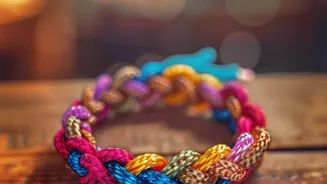
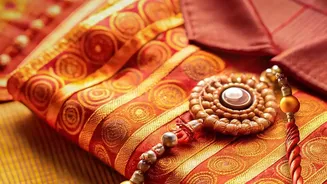
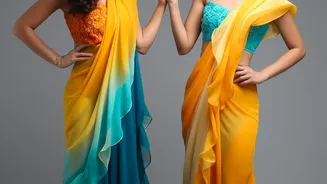
In a world saturated with digital interactions and generic products, handcrafted items offer a tangible sense of authenticity. Each piece tells a story of human skill, effort, and creativity. This uniqueness creates a stronger emotional connection for both the giver and the receiver. A recent analysis for the 2026 Raksha Bandhan festival highlighted that a majority of consumers now prefer personalized gifts over generic ones. A hand-carved wooden box or a hand-painted saree feels more personal and thoughtful than an item pulled from a vast assembly line, transforming the gift from a mere object into a meaningful token of connection.
Digital Platforms as Modern-Day Bazaars
Finding these unique, handcrafted items is easier than ever thanks to the rise of e-commerce. Digital platforms and social media have become modern-day bazaars, connecting artisans from remote corners of India directly with urban consumers. Brands specializing in sustainable and artisanal goods are using these platforms to showcase their products, tell the stories of their makers, and educate consumers about their ethical practices. This digital bridge has made sustainable gifting not just a conscious choice, but a convenient one, accelerating a trend that blends India's ancient craft traditions with the shopping habits of its most modern consumers.