

The New Spice Route
For decades, Indian cuisine outside of the subcontinent was often simplified into a single, generic 'curry' flavour. Even within India, mass-produced spices aimed for a standardised taste. But now, a significant shift is underway. Food lovers and home
cooks are increasingly seeking out authentic, specific tastes that tell a story of place and tradition. This movement celebrates the vast diversity of India's culinary landscape, from the smoky potency of Naga ghost peppers to the tangy punch of Bengali kasundi. The focus is on terroir and tradition, recognising that the chillies from Guntur have a different story to tell than those from Kashmir.
From Grandmother's Kitchen to Gourmet Shelves
This renewed interest in authenticity is being championed by a new wave of food entrepreneurs and homegrown brands. Companies like Mother O' Malvan, which specialises in Malvani cuisine, and Roots Agro, a women-run collective from Nagaland, are bringing local specialities to a national audience. They are bottling unique condiments and spice blends like hot bamboo pickle and 'watans' (Maharashtrian curry bases). Even larger brands are taking note. Tata Sampann, for instance, launched a range of blended spices specifically for the Karnataka market, including Puliyogare and Malabar Chicken masalas, to cater to authentic regional tastes. This commercialisation makes it easier for urban consumers to experiment with genuine regional meals at home.
Chefs as Culinary Custodians
Chefs in India and abroad are playing a pivotal role in this revival. They are moving beyond standard menus to highlight lesser-known regional flavours, acting as storytellers for India's rich spice heritage. Chef Amninder Sandhu, for example, sources Naga King chillies (bhoot jolokia) from her family's garden in Assam to use in her dishes, prizing the ingredient's specific regional origin for its unique smokiness and potency. Others are exploring tribal cooking techniques and foraging for wild spices like the kandhari chilli, which grows in the forests and rubber estates of Kerala, to inspire new menu items. This approach adds a new layer to the dining experience, connecting the food on the plate to a specific place and culture.
Beyond the Usual Suspects
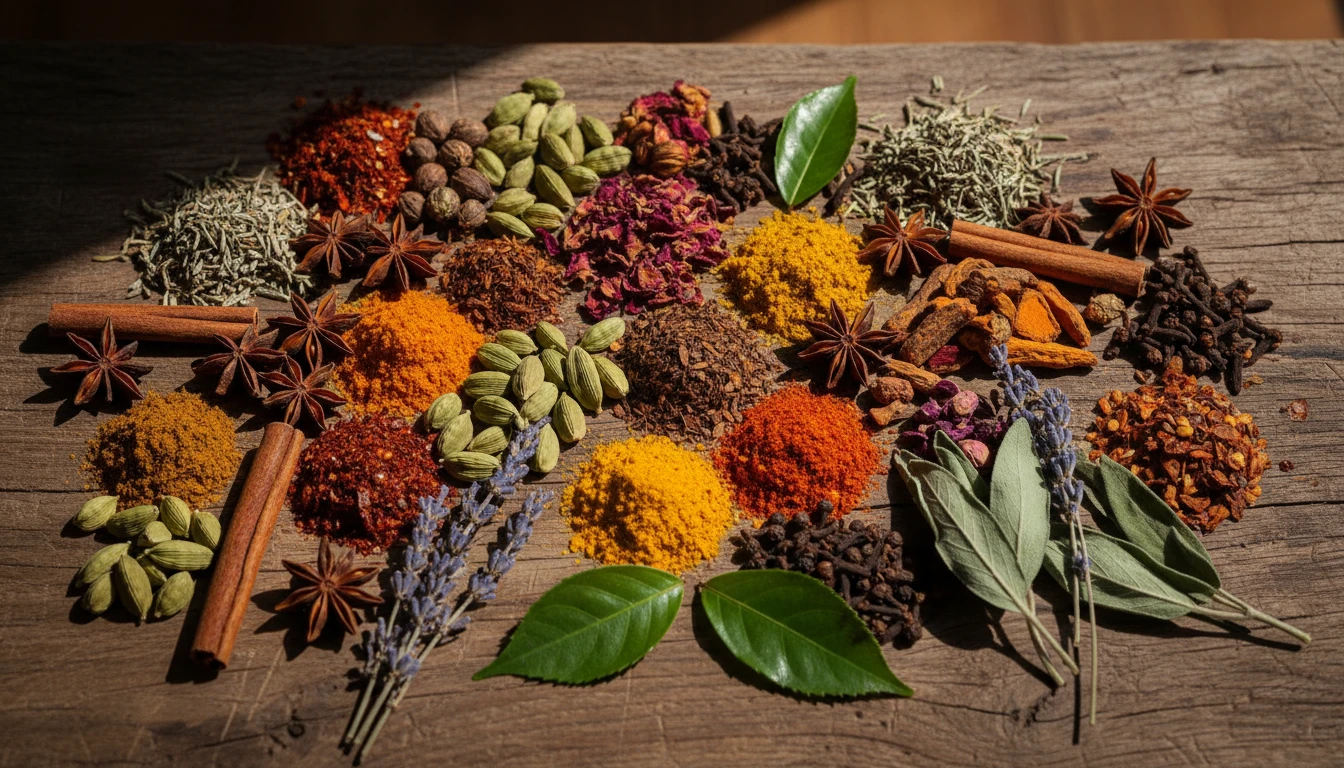
The stars of this trend are spices that have long been mainstays in regional kitchens but are now finding wider appreciation. These include Timur, the Indian Sichuan pepper from the Himalayas with its distinctive zingy and floral notes, and Lakadong turmeric from Meghalaya, prized for its high curcumin content and vibrant colour. In the south, the intensely hot Guntur Sannam chilli from Andhra Pradesh is famous, while the Malabar pepper from Kerala is world-renowned for its high piperine content. These ingredients are not just being used in traditional recipes; they are inspiring innovation, finding their way into everything from craft chocolates and cocktails to artisanal sauces and dressings.
Why Now? The Roots of the Revival
Several factors are fuelling this trend. A growing sense of cultural pride and a desire to connect with one's roots have made people more curious about their own culinary heritage. The rise of social media has given a platform to food bloggers and home cooks sharing regional family recipes, sparking widespread interest. Furthermore, there's an increased focus on health and wellness, with consumers seeking out natural, pure ingredients and rediscovering the medicinal properties of traditional spices. This quest for authenticity, combined with a willingness to experiment in the kitchen, has created the perfect environment for regional Indian flavours to shine.