





Assess Your Garden Before the Wind Blows
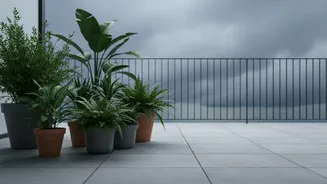
The best defence against storm damage is a good offence. Before the forecast takes a turn, take a walk through your garden, balcony, or patio to identify which plants are most vulnerable. Anything that is top-heavy, has delicate stems, or is in a lightweight
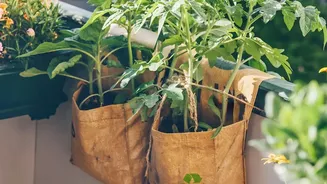
plastic pot is a primary candidate for damage. Pay special attention to tall plants like sunflowers or staked trees, as well as climbing varieties and hanging baskets. These are often the first to suffer from high winds. This simple act of pre-storm reconnaissance allows you to prioritise your efforts and focus on protecting the plants that need it most, rather than scrambling when the first gusts of wind arrive.
Secure Your Pots and Containers
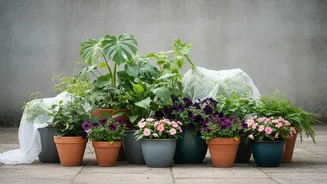
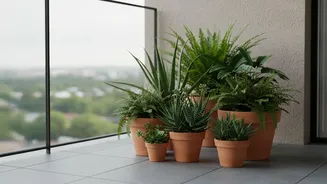
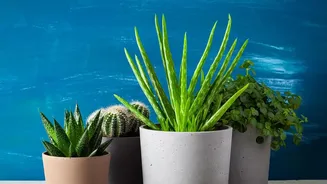
An unsecured pot is an invitation for disaster. The simplest way to prevent containers from blowing over is to increase their weight and stability. If possible, group lighter pots together in a more sheltered location, such as against a house wall or in a corner. Huddling them like this allows them to protect each other from the wind. For individual pots, especially those that are tall and narrow, consider adding weight. You can place bricks, stones, or gravel in the bottom of the pot before adding soil. Alternatively, choosing heavier pot materials like concrete, stone, or thick ceramic from the start can provide the necessary heft to stay put. Even keeping the soil well-watered adds significant weight and can help anchor a pot during a storm.
Protect Delicate Stems and Branches
While a pot might stay upright, the plant inside it can still be thrashed by the wind, leading to snapped stems and shredded leaves. For taller or more fragile plants, providing extra support is crucial. You can tie taller plants to secure structures like a fence, post, or drainpipe using soft, flexible ties that won't damage the bark. For shrubs and plants with multiple stems, wrapping them in burlap or horticultural fleece can bundle them together, reducing their wind resistance and preventing them from whipping around. Even a simple stake can make a significant difference for a young tree or a top-heavy perennial, offering the rigidity it needs to stay intact.
Special Care for Hanging Baskets
Hanging baskets are uniquely susceptible to wind damage, as they can swing, spin, and slam against walls or railings. The most effective solution is often the simplest: take them down. If a storm is approaching, bringing your hanging baskets indoors or placing them on the ground in a sheltered spot is the safest bet. If that's not possible, ensure they are secured with strong hooks. You can add extra security by using zip ties or a bungee cord to prevent excessive spinning and movement. For baskets with delicate foliage, you can even cushion the chains with clear plastic tubing to stop them from tearing at the leaves during strong gusts.
The Aftermath: Post-Storm Recovery
Once the storm has passed and it is safe to go outside, it's time to assess the damage. The first step is a gentle cleanup. Prune away any broken or hopelessly damaged branches with clean shears to prevent disease and allow the plant to focus its energy on recovery. If a plant has been knocked over, carefully right it, adding fresh soil if the roots have been exposed. For waterlogged pots, ensure they can drain freely to prevent root rot; you may need to tilt them or even repot them in fresh, dry soil if they are completely saturated. It is important to be patient and avoid the temptation to fertilise immediately, as stressed plants are sensitive and need time to recover.