


For many young people in cities, the trifecta of a tight budget, a busy schedule, and a tiny kitchen makes healthy eating feel impossible. But a simple solution is gaining traction: the humble one-pot meal, a powerful tool for your health and wallet.
The Urban Food Challenge
Living in a major city often means being surrounded by food, yet it can be incredibly challenging to eat well. The high cost of living puts a strain on budgets, making cheap, processed foods and fast-food deals tempting. Studies show that affordability and convenience are major drivers of food choices for young people. This urban food environment, dominated by readily available but unhealthy options, often leads to diets high in sodium, unhealthy fats, and excess calories. Add to that the realities of small apartment kitchens with limited counter space and the exhaustion after a long day of work or study, and the appeal of a takeout app often wins.
Health on a Single Burner
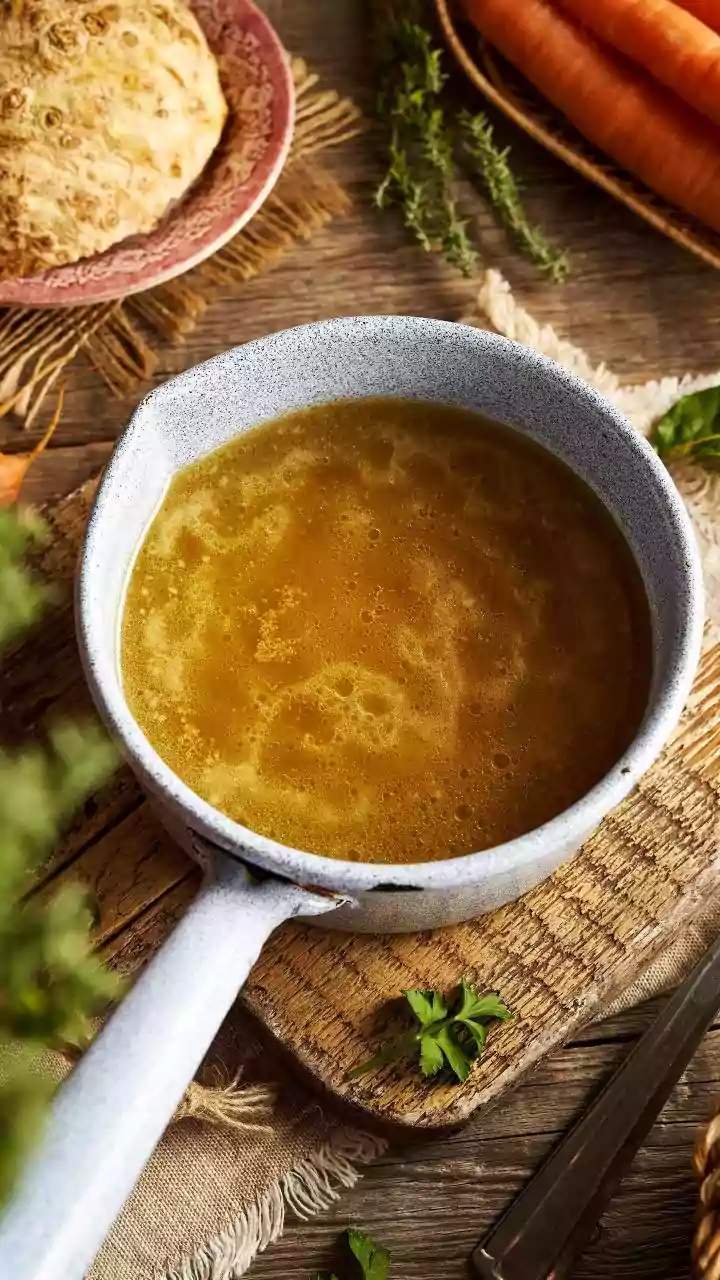
The primary benefit of home cooking, especially the one-pot method, is complete control over your ingredients. Restaurant and takeout meals are notoriously high in calories, sodium, and saturated fats. By cooking for yourself, you decide the amount of salt, sugar, and oil that goes into your food. One-pot meals are also a fantastic way to increase your vegetable intake. Soups, stews, and curries are perfect vehicles for loading up on nutrient-dense veggies. Furthermore, cooking ingredients together in one pot can help retain more nutrients that might otherwise be lost. The liquid that vegetables and proteins release becomes part of the final sauce or broth, meaning you consume those vitamins and minerals instead of pouring them down the drain.
The Cost-Saving Equation
The financial argument for one-pot cooking is undeniable. Eating out, even from a casual spot, can be significantly more expensive than making a meal at home. A home-cooked meal can cost a fraction of its restaurant equivalent, and the savings add up quickly. One-pot cooking is particularly economical because it excels at using affordable staples like beans, lentils, pasta, and rice. It’s also a powerful strategy for reducing food waste. That half an onion, lone carrot, or handful of spinach in your fridge can be easily thrown into the pot, turning would-be waste into a flavorful part of your dinner. By making a large batch, you also get the bonus of leftovers for lunch the next day, saving you from another costly midday purchase.
More Than Just Food
The advantages of the one-pot lifestyle extend beyond nutrition and finance. One of the most celebrated benefits is the minimal cleanup. For anyone living in an apartment with a small sink and no dishwasher, washing a single pot instead of a mountain of pans, bowls, and utensils is a game changer. This simplified process lowers the barrier to entry for cooking, making it feel less like a chore and more like a manageable daily routine. Embracing this method helps build fundamental cooking skills and confidence in the kitchen. The act of preparing a meal from scratch can also be a mindful and rewarding process, offering a welcome break from the digital noise of modern life.
Getting Started Is Easy
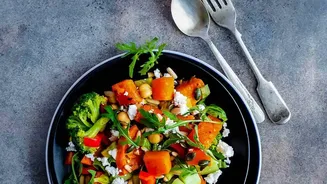
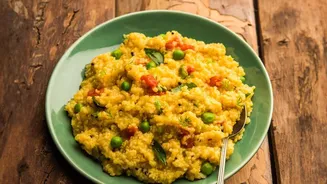
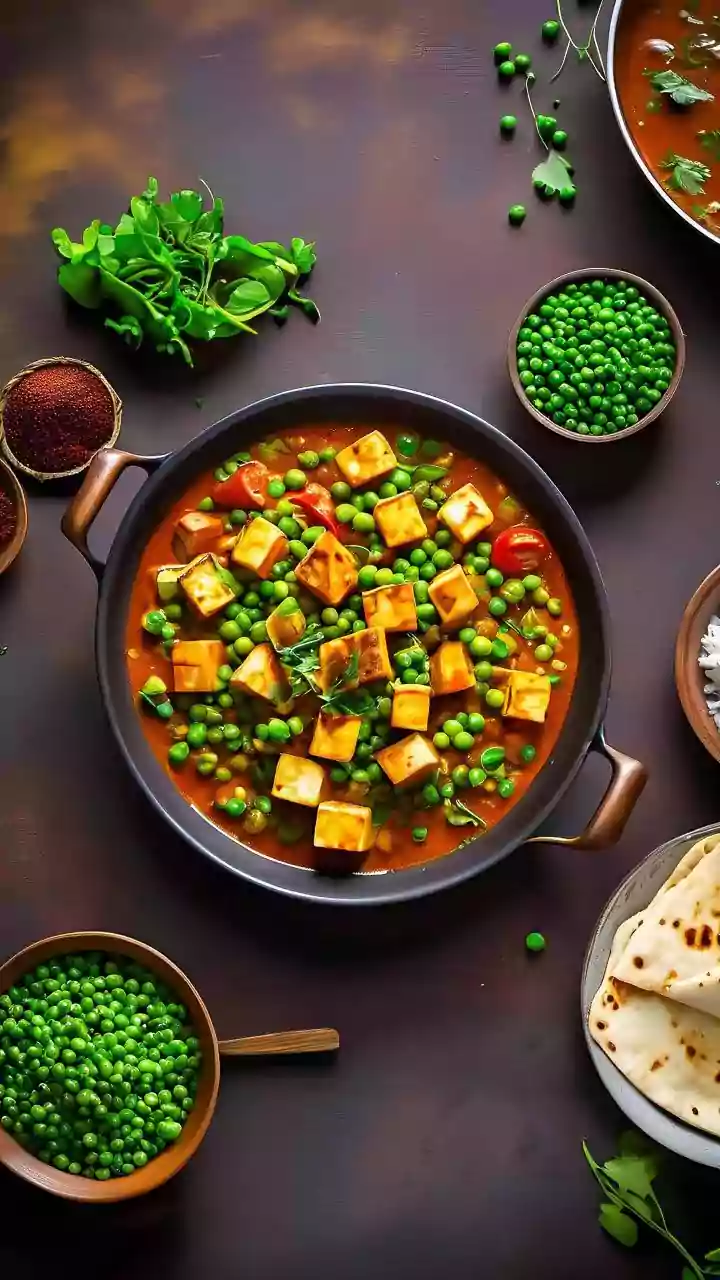
You don't need to be a chef to master one pot cooking. The key is to start with a flexible formula. Think of a simple chili with ground meat or beans, canned tomatoes, and spices. Consider a pasta dish where the noodles cook directly in the sauce, absorbing all the flavor. A stir fry or skillet meal with a protein, a mix of vegetables, and a simple sauce served over rice is another easy win. The internet is filled with thousands of one pot recipes, from rich stews and vibrant curries to simple chicken and rice bakes. The beauty is in the adaptability; you can easily swap ingredients based on what you have, what's on sale, and what you're in the mood for.