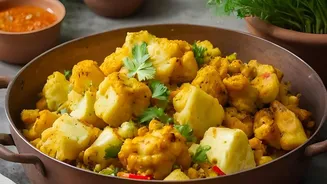


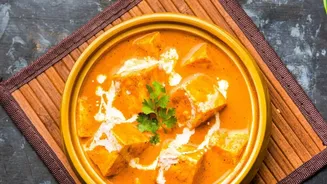
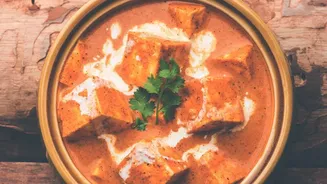
Imagine the sizzle of a hot tawa, the aroma of melting butter and spices, and a paneer dish unlike any other. This is Paneer Ghotala, a street food classic that transforms cottage cheese into a flavour-packed, savoury mash.
What Exactly Is a 'Ghotala'?
In Hindi, the word 'ghotala'
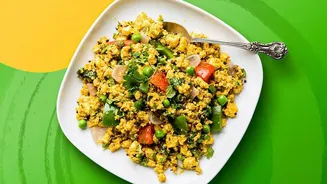
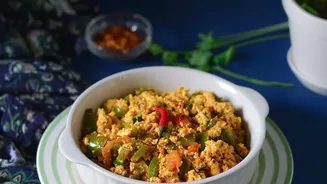
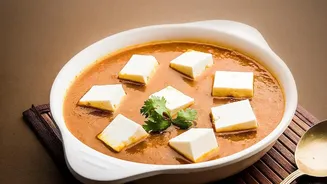
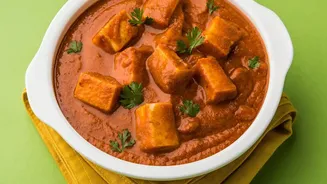
translates to 'mess', 'chaos', or even 'scam'. In the culinary world, it perfectly describes the appearance of this dish: a delicious, jumbled mixture where ingredients are cooked down and mashed together. Paneer Ghotala is a rich, semi-liquid curry where grated or crumbled paneer is cooked directly into a spicy, buttery, tomato-onion gravy. This technique ensures the soft paneer absorbs every bit of flavour, creating a texture that is neither a dry scramble like bhurji nor a curry with distinct cubes. It’s a messy, flavourful creation that is a star of Surati street food.
From Egg Dish to Paneer Star
The story of Paneer Ghotala begins with its non-vegetarian predecessor, Anda Ghotala (Egg Ghotala). Originating on the streets of Surat in Gujarat, Anda Ghotala is a beloved dish where boiled, scrambled, and sometimes fried eggs are mashed into a spicy masala. This celebration of textures made it a massive hit. Street food vendors, in a stroke of genius, created a vegetarian version to cater to a wider audience by swapping the eggs for paneer. This adaptation, Paneer Ghotala, quickly became a sensation in its own right, capturing the same spirit of a hearty, flavourful mash-up and establishing itself as a staple in Gujarat and beyond.
The Street-Style Difference
What makes the street-style version so special? It comes down to a few key elements. First is the use of a large, flat iron griddle called a 'tawa', similar to what is used for Pav Bhaji. This allows for high-heat cooking and ample space to mix and mash the ingredients. Second is the generous use of butter, often alongside oil, which adds a signature richness and flavour. Finally, the spice profile is distinct. While basic spices form the foundation, it is the addition of Pav Bhaji masala that gives Paneer Ghotala its characteristic street-food punch. Many vendors also add grated processed cheese, which melts into the gravy, making it even creamier and more indulgent.
Breaking Down the Technique
The core of the dish, as the headline suggests, is 'breaking' the paneer into the mixture. Unlike Paneer Bhurji, where crumbled paneer is the primary texture, Ghotala takes it a step further. Fresh paneer is grated, often using the larger holes of a grater, directly into the simmering masala. The mixture is then cooked and mashed with a pav bhaji masher, breaking down the paneer so it melds completely with the gravy. This process creates a homogenous, thick, and deeply flavourful curry where you get the essence of paneer in every bite without distinct pieces. Some versions even play with multiple textures, adding crumbled, grated, and sometimes small fried cubes of paneer.
How It's Served
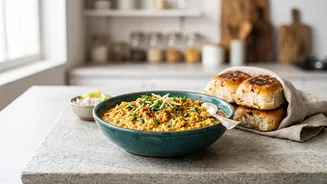
The classic way to enjoy Paneer Ghotala is with pav, the soft Indian bread rolls. The pav are typically slit and toasted on the same tawa with a generous amount of butter and a sprinkle of the same masalas used in the ghotala. The buttery, toasted pav is the perfect vehicle to scoop up the rich, spicy paneer mixture. The dish is usually served piping hot, garnished with a final dollop of butter, more grated cheese, a sprinkle of fresh coriander, and finely chopped raw onions for a crunchy contrast. A squeeze of lemon on top cuts through the richness and brightens all the flavours.