





Your Body's Internal Clock
You already know your body has an internal clock that tells you when to sleep and when to wake up. This is called your circadian rhythm. It’s a 24-hour cycle run by a “master clock” in your brain that responds to light and darkness. But it's not just
about sleep. This master clock also directs a whole orchestra of smaller clocks located in your organs, including your liver, pancreas, and, crucially, your gut. These peripheral clocks control everything from hormone release to how efficiently you digest food. They ensure every part of your body is working on a coordinated schedule. When everything is in sync, your body functions optimally. But when things get out of alignment, problems can arise.
Your Gut Has a Clock, Too
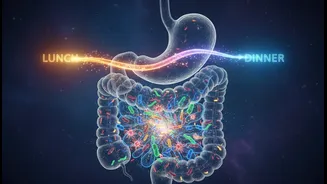
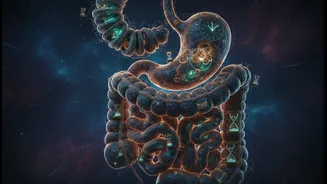
Just like you, the trillions of microbes living in your gut also follow a daily rhythm. They have their own 24-hour cycles of activity, and their functions change throughout the day. For instance, the bacteria are more active and prepared for digestion during daylight hours. At night, as your body prepares for rest, your digestive system slows down, and the gut focuses on housekeeping and repair. The composition and activity of these beneficial bacteria can be influenced by your meal timings. Eating at consistent, predictable times helps foster a diverse and stable community of gut microbes, which is a key sign of a healthy gut.
What Happens When We Eat Off-Schedule?
Modern life often means irregular schedules, late-night dinners, and midnight snacks. When we eat at odds with our internal clocks—especially late at night—we force our digestive system to work when it’s supposed to be resting. This misalignment can throw your gut's rhythm into disarray. Research shows that eating late can disrupt the balance of your gut bacteria, leading to reduced microbial diversity. This state, sometimes called gut dysbiosis, is linked to issues like bloating, gas, and indigestion. Over time, a chronically disrupted circadian rhythm can contribute to more serious problems, including leaky gut, inflammation, and an increased risk for metabolic conditions.
The Rise of Chrononutrition
This emerging field of science is called chrononutrition—the study of how meal timing interacts with our body's natural rhythms. The core idea is simple: aligning your eating patterns with your circadian clock can significantly improve your health. One popular approach is time-restricted eating (TRE), where you consume all your meals within a specific window, typically 8 to 10 hours during the day. For example, you might eat between 8 AM and 6 PM and fast overnight. This gives your digestive system a long break to rest and repair. Studies suggest TRE can improve gut barrier function, boost beneficial bacteria, and support metabolic health.
Practical Tips for Timing Your Meals
Adopting chrononutrition doesn’t have to be complicated. The goal is to create a consistent routine that works for your body. Experts suggest eating your last meal at least two to three hours before you go to sleep to allow for proper digestion. Try to eat your meals around the same time each day, as your gut loves routine. It can also be beneficial to eat your largest meal earlier in the day when your digestive system is most active, followed by a moderate lunch and a smaller dinner. Listening to your body is key. Paying attention to how you feel after eating at different times can help you find the schedule that leaves you feeling your best.