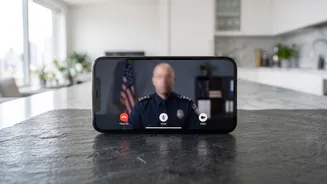









What Exactly Is a 'Digital Arrest'?
A 'digital arrest' is not a legitimate legal procedure; it is a sophisticated form of cyber fraud. Scammers impersonate officials from law enforcement agencies like the police, CBI, or Narcotics Control Bureau to create a sense of extreme urgency and
fear. They falsely accuse their target of being involved in serious crimes, such as money laundering or drug trafficking. The core of the scam is to convince the victim they are under constant surveillance and cannot disconnect the call or contact anyone, effectively placing them in a virtual jail. There is no provision for such an arrest under Indian law. No genuine authority will ever conduct an investigation or arrest over a phone or video call.
The Anatomy of the Scam
These operations follow a chillingly consistent script. It begins with an unsolicited call, often from a number that appears official, claiming to be from a courier company like FedEx about a suspicious parcel in your name containing illegal items. When you deny involvement, the call is 'transferred' to a fake law enforcement officer. This 'officer', often in uniform and a staged background, will appear on a video call via an app like Skype. They use official-sounding jargon, may present forged documents with your Aadhaar details, and threaten immediate, dire legal consequences. The goal is to isolate and intimidate you, preventing you from thinking clearly or verifying their claims.
The Psychology of Fear and Intimidation
The success of this fraud lies in its powerful psychological manipulation. Scammers exploit the natural respect for and fear of authority that most citizens have. They create a high-pressure environment where the victim feels trapped and believes cooperation is the only way out. By accusing the victim of a crime while also suggesting their identity may have been stolen, they position the victim as both an accused and a fellow victim, making them more susceptible to manipulation. The demand to remain on a video call for hours, sometimes even days, is a tactic to exhaust the victim and break their will, preventing them from speaking to family or friends who might recognise the scam.
The Final Step: Extortion
Once the victim is sufficiently terrified and isolated, the demand for money begins. The fraudsters will claim that your bank accounts need to be 'verified' to clear your name in the fabricated investigation. They instruct you to transfer large sums of money into accounts they control, promising it will be returned once the 'verification' is complete. In some cases, they coerce victims into taking out personal loans or pledging family jewellery to raise the funds quickly. The amounts lost can be devastating, with individual losses ranging from lakhs to crores of rupees. According to the Indian Cybercrime Coordination Centre (I4C), these scams have resulted in losses of thousands of crores.
How to Protect Yourself and What to Do
Awareness is your strongest defence. Law enforcement and government agencies have repeatedly stated they do not conduct investigations or arrests this way. If you receive such a call, the first and most important step is to disconnect immediately. Do not engage with them or share any personal information. Never transfer money under pressure. After ending the call, immediately report the incident to the National Cybercrime Reporting Portal by calling the helpline number 1930 or visiting cybercrime.gov.in. Reporting quickly can help authorities attempt to freeze the fraudulent accounts. It is also crucial to talk about this scam with family and friends, especially elderly individuals who may be more vulnerable.