





Understanding Monsoon Trail Risks
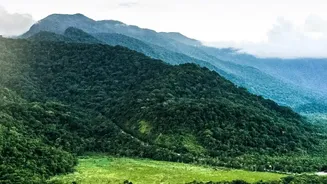
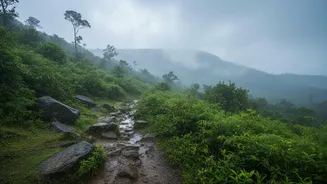
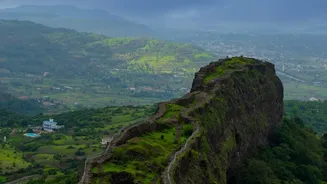
Trekking in the Western Ghats between June and September is unlike any other seasonal hike. The primary dangers aren't just the rain itself, but the conditions it creates. Trails made of volcanic basalt rock become extremely slippery and moss-covered,
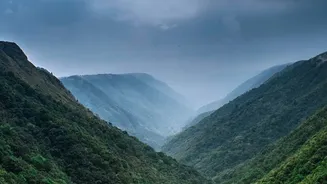
significantly increasing the risk of falls. Flash floods can turn narrow gullies and gentle streams into raging, impassable torrents with little warning. Low visibility from heavy mist and fog can easily disorient trekkers, while constant dampness can lead to health issues like hypothermia, even in mild temperatures. Leeches are a common nuisance, and while generally harmless, they can cause discomfort and minor infections. Many popular trails, especially those with steep vertical sections or numerous stream crossings, are often declared high-risk and may be closed by district authorities during peak monsoon.
Official Advisories and Restricted Zones
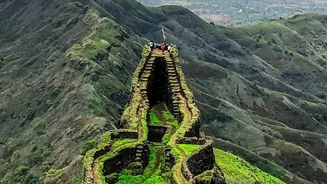
For the 2026 monsoon season, authorities have enforced strict regulations across several states. In Maharashtra, districts like Pune, Raigad, and Nashik have issued prohibitory orders, banning access to many popular forts, waterfalls, and high-risk trails such as the Kalsubai and Harishchandragad routes. Similarly, Goa has prohibited entry to its wildlife sanctuaries and waterfalls, including the popular Dudhsagar Falls trek route, under the Disaster Management Act. In Karnataka, prominent treks like Kumara Parvatha are closed for the season, while Kerala has also restricted access to many of its forest reserves for recreational trekking. Before planning any trek, it is mandatory to check the latest notifications from the local District Collector's office and the Forest Department, as these rules are legally enforceable.
Mandatory Gear: Your Safety Checklist
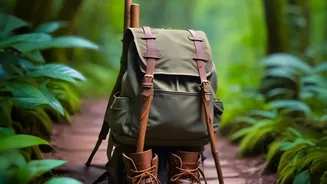
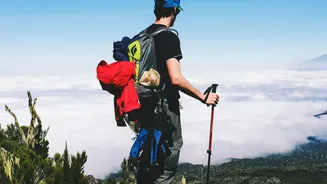
Packing correctly is your first line of defense. Wearing the wrong gear is not just uncomfortable; it's dangerous.Footwear: This is your most critical gear choice. Wear waterproof trekking shoes with high-cut ankle support and deep, aggressive treads for grip on slippery rocks. Avoid sneakers or any shoe with a flat sole. Pair them with leech-proof socks or apply tobacco water as a repellent.Clothing: Do not wear cotton, as it absorbs moisture and stays wet, increasing the risk of hypothermia. Opt for quick-drying synthetic materials for your t-shirts and trekking pants. Carry a lightweight, breathable waterproof jacket (ponchos are also effective) to keep you dry. Always pack an extra set of dry clothes in a waterproof dry bag.Backpack and Protection: A 20-30 litre daypack is sufficient for most monsoon hikes. Ensure it has a snug-fitting rain cover. Use additional dry bags or zip-lock pouches inside your pack to protect electronics, wallets, and first-aid supplies.
On-Trail Safety Protocols to Follow
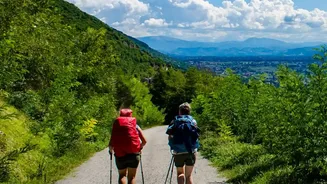
Once on the trail, discipline and awareness are key. Always trek in a group and inform someone of your detailed itinerary before you leave. Hiring a certified local guide is highly recommended, as they understand the terrain's stability and weather patterns.Monitor the weather constantly using reliable apps and be prepared to turn back if conditions worsen. Start your trek early to maximize daylight hours, as visibility drops significantly in the late afternoon. When crossing streams, assess the water's current and depth carefully. If a stream is swollen, do not attempt to cross it; wait for the water level to recede or turn back.Maintain a slow and steady pace on slippery sections, using a trekking pole for added stability. Stay hydrated by drinking water regularly, even if you don't feel thirsty in the cool weather. Finally, adhere strictly to all forest department rules: do not litter, feed wild animals, or play loud music.
Essential First-Aid and Health
Your first-aid kit should be tailored for monsoon conditions. Include antiseptic wipes, bandages, medical tape, and blister treatment. Also pack salt or a sanitizer to help remove leeches, and an insect repellent. Carry any personal medications in a waterproof pouch. A basic kit should also contain pain relief tablets, medication for allergies, and a crepe bandage for sprains. Understanding the signs of hypothermia—shivering, confusion, and slurred speech—is crucial. If you suspect someone is hypothermic, get them into dry clothes and a warm shelter immediately.