


1. Chia Seeds: The Fibre Powerhouse
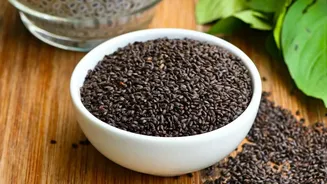
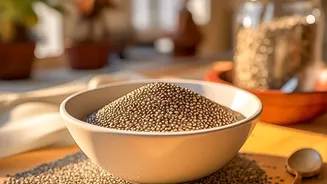
Don't be fooled by their tiny size; chia seeds are a nutritional giant, especially for diabetes management. They are packed with soluble fibre, which plays a crucial role in slowing down digestion. When you eat, this fibre forms a gel-like substance in your
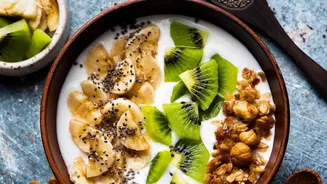
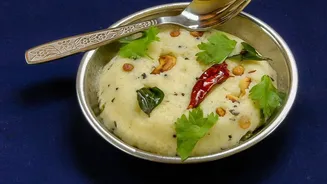
stomach, which slows the absorption of sugar into the bloodstream and helps prevent sharp spikes in blood glucose after meals. A standard two-tablespoon serving delivers about 10 grams of fibre. Furthermore, chia seeds have a very low glycemic index, making them a safe and beneficial addition to your diet. Their ability to absorb liquid and expand also promotes a feeling of fullness, which can aid in weight management—a key component of controlling diabetes. How to use: Simply stir one or two teaspoons of chia seeds into your warm porridge and let them sit for a couple of minutes to soften. For upma, you can sprinkle them on top just before serving for a slight crunch.
2. Flax Seeds: For Heart and Sugar Control
Flax seeds, or 'alsi', are another excellent choice for a diabetes-friendly diet. They are a fantastic source of both soluble fibre and alpha-linolenic acid (ALA), a plant-based omega-3 fatty acid. The high fibre content helps to manage blood sugar by slowing the release of glucose into the blood. Some studies have indicated that regular consumption of flax seeds may improve insulin sensitivity, meaning your body can use its own insulin more effectively. The ALA in flax seeds also supports heart health by helping to reduce inflammation and cholesterol levels, which is particularly important as diabetes increases the risk of cardiovascular issues. For the best nutritional benefit, it's recommended to consume flax seeds in their ground form, as whole seeds can pass through the digestive system undigested. How to use: Add a tablespoon of ground flaxseed to your porridge as it cooks. You can also mix ground flaxseed into the 'sooji' or 'rava' before you prepare your upma to seamlessly incorporate its benefits.
3. Pumpkin Seeds: The Magnesium Boost
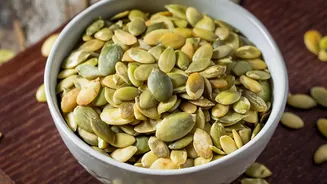
Pumpkin seeds, also known as pepitas, are a delicious and nutrient-dense option. They are exceptionally rich in magnesium, a mineral that is vital for glucose metabolism and insulin function. Many people with diabetes have been found to be deficient in magnesium, making pumpkin seeds a valuable dietary addition. These seeds have a very low glycemic index and are a good source of healthy fats, protein, and fibre, a combination that promotes stable blood sugar levels and prevents sudden energy crashes. The healthy fats and antioxidants in pumpkin seeds also contribute to better heart health, which is a common concern in diabetes management. A daily serving of about a quarter cup (around 30 grams) is a good measure to get the benefits without adding excessive calories. How to use: Sprinkle a tablespoon of raw or lightly roasted pumpkin seeds over your finished bowl of porridge or upma for a satisfying crunch and nutty flavour.
4. Sunflower Seeds : Rich in Vitamin E
Sunflower seeds are more than just a simple snack ; they are loaded with nutrients that support diabetes management . They have a low glycemic index and are a good source of fibre , protein , and healthy fats , which help to slow down stomach emptying and allow for a more gradual release of sugar from carbohydrates . One of their standout nutrients is Vitamin E , a powerful antioxidant that helps combat inflammation , a factor that can worsen diabetes - related complications . Studies have also suggested that plant compounds in sunflower seeds , such as chlorogenic acid , may play a role in helping to lower blood sugar levels over time . One study showed that daily consumption as part of a healthy diet helped reduce fasting blood sugar . How to use : Add a spoonful of unsalted sunflower seeds to your porridge for added texture . They can also be lightly toasted and sprinkled on upma along with other garnishes for a nutty taste .
5 . Sesame Seeds : A Low - Carb Champion
Sesame seeds , or 'til' , have a long history in traditional medicine and are a great low - carbohydrate option for managing blood sugar . They are high in protein and healthy fats , a combination that leads to slow digestion and minimal impact on blood glucose levels . Research and meta - analyses have pointed to sesame ' s potential to improve glycemic control . Some studies have shown that consumption of sesame seeds and their products can lead to significant reductions in fasting blood sugar and HbA1c , a marker of long - term glucose control . The bioactive compounds in sesame , like sesamin , are believed to contribute to these metabolic benefits . How to use : Lightly toast a teaspoon of white or black sesame seeds and sprinkle them over your porridge or upma . This not only adds nutritional value but also a distinct , nutty aroma and flavour .