



Gujarat: A Symphony of Sweet and Savoury
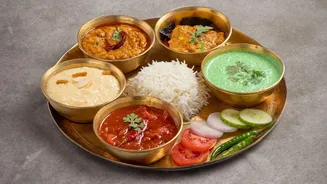
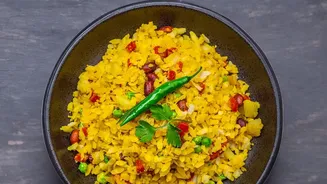
Gujarati cuisine is a vibrant tapestry of flavours, where sweet, salty, and spicy notes often share the same plate. The state’s breakfast, or 'nasto', is deeply influenced by its largely vegetarian culture and the prevalence of ingredients like gram flour
(besan) and lentils. Many morning meals are light, often steamed or lightly fried, and can easily double as evening snacks, known as 'farsan'. This tradition of creating versatile, flavourful dishes is a hallmark of Gujarati cooking.
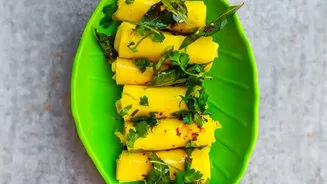
Khaman Dhokla: The Spongy Sunrise Staple
Perhaps the most famous Gujarati breakfast dish, Khaman Dhokla is a soft, spongy, and savoury steamed cake. Made from a batter of gram flour and yoghurt, it's steamed to perfection before being topped with a tempering of mustard seeds, curry leaves, and green chillies. A drizzle of sugar water is often added to keep it moist and add a characteristic hint of sweetness. This light yet satisfying dish is a perfect example of how Gujarati cuisine balances textures and tastes, creating a breakfast that is both nutritious and incredibly flavourful.
Fafda-Jalebi: The Festive Indulgence
No discussion of Gujarati breakfast is complete without mentioning the iconic duo of Fafda-Jalebi. Fafda are crisp, crunchy strips made from gram flour, seasoned with carom seeds and black pepper. They are perfectly complemented by jalebi, a sweet, sticky spiral made from fermented batter and soaked in sugar syrup. This combination of salty and sweet is particularly popular during festivals like Dussehra, where it symbolizes the joy and celebration that follows a period of fasting. It represents a beautiful balance between discipline and indulgence on a single plate.
Kerala: A Tribute to Rice and Coconut
Stretching along India's southwestern coast, Kerala's geography has profoundly shaped its cuisine. Abundant rainfall and fertile backwaters make rice and coconuts the cornerstones of the local diet. Unlike the wheat-based breads common in other parts of India, Kerala's breakfast is dominated by rice, prepared in myriad ways. Dishes are often steamed, making them light and healthy, while coconut is used generously—grated, pressed into milk, or as oil—lending a distinct, creamy flavour to almost every meal.
Puttu and Kadala Curry: The Steamed Powerhouse
Puttu, a cylindrical steamed rice cake layered with freshly grated coconut, is a quintessential Kerala breakfast. Traditionally cooked in a special steamer called a 'puttu kutti', this dish has a soft, crumbly texture. It is almost always served with Kadala Curry, a robust and spicy curry made from black chickpeas simmered in a gravy fragrant with roasted coconut and spices. This combination is not just a meal but a cultural icon, providing a protein-rich and energizing start to the day that has fueled farmers and labourers for generations.
Appam and Stew: The Lacy, Comforting Classic
Appam is another beloved Kerala breakfast dish, a type of pancake made from a fermented rice batter and coconut milk. Cooked in a shallow pan called an 'appachatti', it has wonderfully crisp, lace-like edges and a soft, pillowy centre. Appam is typically paired with a mild, aromatic stew, which can be made with vegetables, chicken, or mutton. The stew's gentle spice and creamy coconut milk base are perfect for soaking up with the soft centre of the appam, making for a comforting and harmonious meal that showcases the subtlety of Kerala's flavours.