




In the rush of a busy week, dinner can feel like just another task to complete. But what if your meals could offer more than just fuel? The key to more flavour, comfort, and health might be hiding in your own family's past.
Food That Feels Like a Hug
There's a unique comfort that
comes from eating a dish you've known your whole life. That feeling is more than just nostalgia; it's a powerful psychological experience. Cooking and eating foods tied to our heritage connect us to our identity and our past. Recipes passed down through generations carry stories, values, and cultural meaning, reinforcing a sense of belonging that is crucial for well-being. Studies show that shared meals contribute to reducing stress and enhancing emotional resilience. In a world that often feels fast and fragmented, these dishes provide a grounding, tangible link to where we come from, offering stability and a taste of home that soothes the soul.
The Forgotten Health Benefits
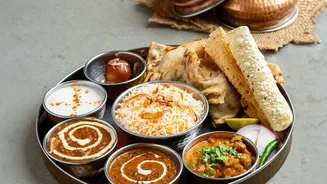
Beyond comfort, many traditional dishes are nutritional powerhouses. Heritage recipes, especially from Indian cuisine, often rely on a foundation of whole foods. Ingredients like lentils, beans, and a wide array of vegetables provide essential protein, fibre, vitamins, and minerals. Traditional cooking also prominently features spices such as turmeric, ginger, and cumin, which are not just for flavour but are also studied for their antioxidant and anti-inflammatory properties. Compared to modern convenience foods, which are often high in processed ingredients, salt, and unhealthy fats, home-cooked heritage meals frequently offer a more balanced nutritional profile that supports long-term health.
Making Heritage Work for Weeknights
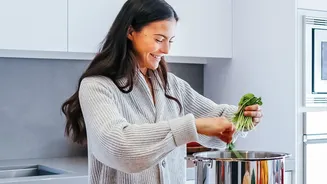
The biggest hurdle to cooking traditional meals on a weeknight is often time. Many heritage recipes involve slow simmering or extensive prep work. However, you don't need to abandon these flavourful dishes. The key is adaptation. Reading a recipe thoroughly before you start can save you from mistakes and help you plan. One of the most effective techniques, used by professional chefs, is 'mise en place', a French term for preparing and organizing all your ingredients before you start cooking. Modern appliances can also be your best ally. A pressure cooker can tenderise lentils or meats in a fraction of the time, while a slow cooker can simmer a curry to perfection while you're at work. Consider prepping key components over the weekend—make a large batch of ginger-garlic paste, chop vegetables, or cook a pot of beans to use throughout the week.
A Legacy for the Next Generation
Bringing these recipes to your weeknight table does more than just feed your family; it keeps a legacy alive. When children help in the kitchen, they learn invaluable life skills, from reading recipes to measuring ingredients. More importantly, they connect with their cultural roots and family history in a handson way. Studies have shown that children who participate in cooking are more likely to eat fruits and vegetables and feel a sense of pride and independence. Even simple, ageappropriate tasks like washing vegetables or stirring a pot can create lasting memories and foster a sense of teamwork and connection. This shared activity strengthens family bonds and ensures that these cherished recipes—and the stories behind them—are not forgotten.