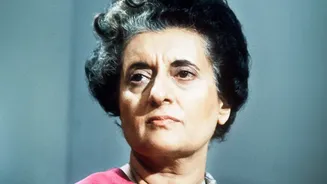






Beyond the corridors of power and the formidable public persona, the home of Indira Gandhi was a place of quiet tradition. In a recent recollection, Sonia Gandhi has pulled back the curtain on these private moments, revealing a festive world lit by diyas
and flavoured with the distinct aroma of Kashmiri cuisine.
A Memory from Safdarjung Road
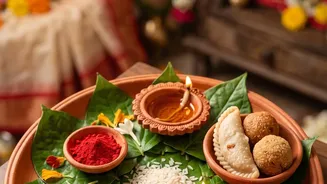
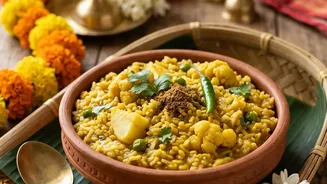
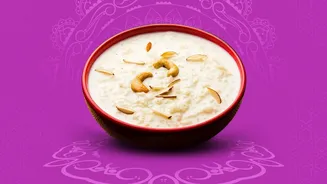
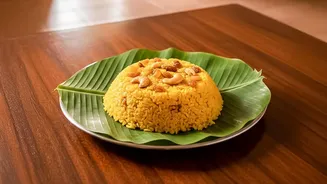
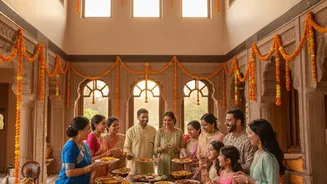
In a heartfelt conversation with her daughter Priyanka and granddaughter Miraya, Sonia Gandhi recently painted a vivid picture of Diwali at 1, Safdarjung Road. She described a house aglow not with electric lights, but with rows of traditional earthen lamps, or diyas, lining the verandas, pathways, and the edge of a pond. The first lamp was always lit before a murti of Lord Ganesh. But it was the mention of food that offered a particularly intimate glimpse into the family's life. "On festivals we always used to have Kashmiri food," Sonia recalled, adding that a particular sweet rice made on such occasions is a tradition the family continues to this day.
The Flavours of Kashmiri Heritage
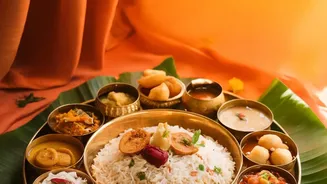
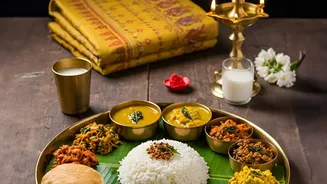
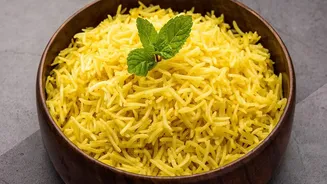
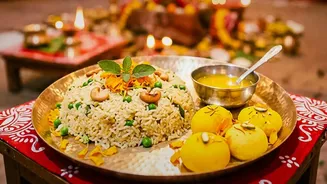
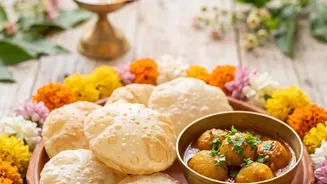
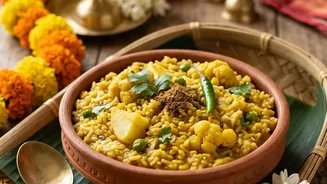
The Nehru-Gandhi family's connection to Kashmiri cuisine is deeply rooted in their heritage as Kashmiri Pandits. For generations, even after settling elsewhere, these culinary traditions remained a vital link to their ancestry. While Sonia Gandhi did not list a full menu from those days, the festive food she mentioned would have been part of a rich culinary legacy. Kashmiri festival tables often feature elaborate dishes. One can imagine aromatic preparations like Rogan Josh, a slow-cooked lamb curry; Yakhni, a delicate yogurt-based mutton gravy; and Dum Aloo, potatoes simmered in a flavourful sauce. The sweet rice she specifically recalled is likely Modur Pulav, a festive dish fragrant with saffron and gently sweetened, often studded with dry fruits and nuts.
A Legacy Served on a Plate
For Indira Gandhi, these traditions were more than just about food; they were a private expression of her roots. While her daily meals were known to be simple and austere, festivals were a time when the family's Kashmiri identity was celebrated. This was a legacy passed down through generations. In her own writings, Sonia Gandhi has noted Indira's deep affection for the ceremonies and customs of her ancestors. This included not just food, but also an appreciation for Kashmiri shawls and even the celebration of the Kashmiri New Year, Navroz, which Indira once personally initiated her daughter-in-law into with a ceremonial tray of symbolic items.
More Than Just a Meal
The act of preparing and sharing specific foods during festivals is a powerful way families preserve their history and bond across generations. In a household that was constantly in the public eye, these shared meals provided a sense of normalcy and continuity. They were a time to connect with a heritage that went far beyond the immediate world of politics. Indira Gandhi herself was known for her interest in India's diverse cultures, and she enjoyed savouring local cuisines during her travels across the country. However, the recurring presence of Kashmiri food at her own festive table shows a conscious effort to keep her ancestral traditions alive within the walls of her home.
Traditions That Endure
Sonia Gandhi’s remark that the family 'still make' the sweet rice is perhaps the most telling detail. It highlights how these culinary customs, once presided over by her mother-in-law, have been lovingly carried forward. The flavours and aromas of those celebrations at Safdarjung Road have not faded with time but have instead become an enduring part of the family's own festive rituals. These memories, shared in a casual family chat, provide a softer, more intimate portrait of Indira Gandhi—not just as a stateswoman, but as the head of a family, a keeper of traditions, and a link in a long cultural chain.