



The Surging Popularity of Monsoon Travel
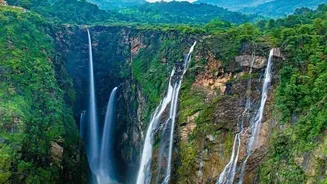
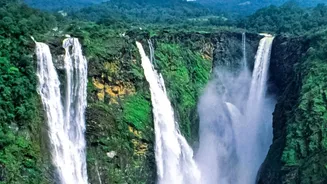
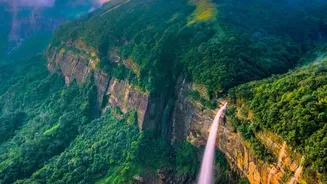
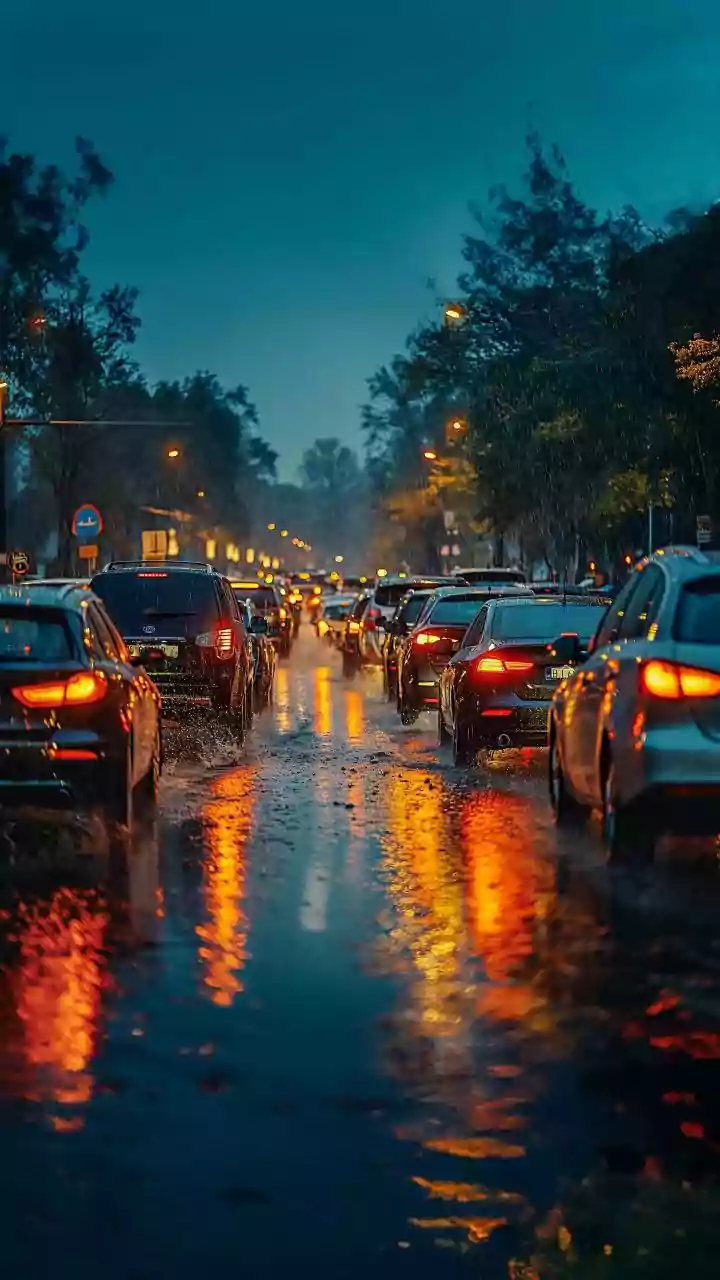
What was once considered the off-season is now a preferred period for travel in India. An increasing number of travellers are planning short breaks to experience rain-washed landscapes, from the misty hills of the Western Ghats to the vibrant coasts of Goa
and Kerala. Recent data shows a significant spike in hotel and bus bookings during the monsoon months, with hotel bookings rising by over 50% year-on-year. This surge in demand, especially for weekend getaways and trips around public holidays, is the primary driver behind the booking pressure many travellers now face. Destinations like Wayanad, Mussoorie, and the Northeast are seeing unprecedented interest, making last-minute plans a risky affair.
Win Against Dynamic Pricing
One of the most compelling reasons to book your monsoon trip early is to beat dynamic pricing. Airlines and hotels use sophisticated systems that increase prices as demand grows and departure dates approach. While some believe monsoon is a time for cheap last-minute deals, the growing trend of short, experience-led trips has changed this dynamic. By securing your flights and accommodation a few weeks or even months in advance, you lock in a lower, fixed rate before the algorithm registers the peak demand. For popular domestic flights, the sweet spot for booking is often 21 to 28 days before departure, after which prices tend to climb steadily. Waiting until the last minute can mean paying a premium for the exact same room or seat.
Secure Your Ideal Stay and Transport
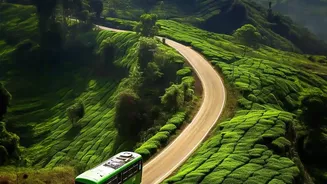
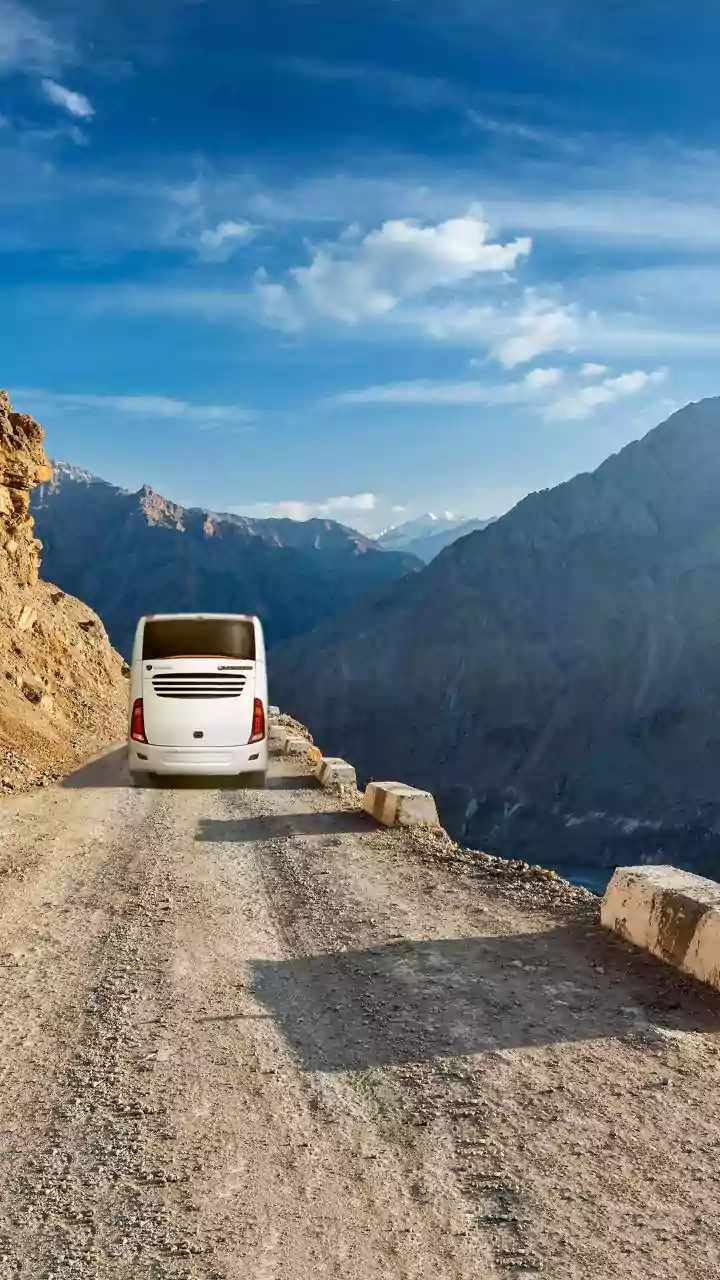
Beyond just saving money, booking early gives you the power of choice. The most desirable accommodations—the hotel room with a valley view, the centrally located homestay, or the resort with the best wellness facilities—are always the first to go. This is especially true for popular monsoon destinations like Munnar, Coorg, Lonavala, and Rishikesh. The same logic applies to transportation. Train seats on scenic routes and buses to hill stations fill up quickly, particularly for weekend travel. Early reservations ensure you get a confirmed seat on your preferred mode of transport, avoiding the stress of waitlists or having to settle for inconvenient travel times. This is crucial for short trips where every hour counts.
The Value of a Stress-Free Plan
The entire point of a short trip is to relax and rejuvenate. Scrambling to find a decent hotel at the last minute or discovering that all rental cars are booked out is the opposite of relaxing. Planning ahead provides invaluable peace of mind. With your bookings confirmed, you can focus on the enjoyable aspects of your trip, like planning your activities and packing. It allows you to build a more flexible itinerary, knowing the core logistics are handled. You can research local cafes, find offbeat nature trails, or book a spa treatment, rather than worrying about whether you'll have a place to stay. This sense of security is particularly important during the monsoon, when weather-related disruptions can add an extra layer of uncertainty.
Tips for Late Planners
If you find yourself unable to book weeks in advance, not all is lost. You can still salvage a monsoon getaway by being flexible. Consider travelling mid-week instead of on a weekend, as demand is typically lower. Look into less-congested, emerging destinations instead of the most popular spots. Instead of pre-packaged tours, book your stays and transport independently to have more control if plans need to shift due to weather. Finally, keep a close watch on weather forecasts for your chosen destination to avoid areas prone to heavy flooding or landslides, ensuring your spontaneous trip is both enjoyable and safe.