








The Science of Gains: It Happens During Rest
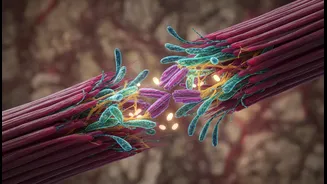
It might seem counterintuitive, but muscle isn't built in the gym. It's built while you rest. When you engage in strenuous exercise, you create microscopic tears in your muscle fibers. This isn't a bad thing; it’s the necessary stimulus for growth. The
actual magic happens afterward. During the recovery period, your body gets to work repairing these tiny tears, fusing the muscle fibers back together to create new, stronger protein strands. This process, known as muscle protein synthesis, is how your muscles grow bigger and more resilient over time. Without adequate recovery, you're essentially just breaking down your muscles without giving them a chance to rebuild and adapt.
The High Cost of Skipping Rest
Constantly pushing your body without enough downtime can lead to a condition known as overtraining syndrome (OTS). This goes far beyond typical post-workout soreness. Symptoms include persistent fatigue, a decline in performance despite increased effort, mood changes like irritability or depression, and poor sleep quality. Overtraining can also disrupt your hormonal balance, leading to increased levels of the stress hormone cortisol, which can break down muscle tissue. Furthermore, it weakens your immune system, making you more susceptible to illness and injury. Essentially, by skipping recovery, you not only stall your progress but can actually move backward in your fitness journey.
The Three Pillars of Recovery
Effective recovery isn't complicated; it rests on three fundamental pillars. First is sleep, arguably the most powerful recovery tool you have. During the deep stages of sleep, your body releases a significant amount of human growth hormone, which is vital for tissue repair and muscle growth. Second is nutrition. After a workout, it's crucial to replenish your body's energy stores and provide the building blocks for muscle repair. This means consuming both carbohydrates to restore glycogen levels and high-quality protein to support muscle protein synthesis, ideally within a couple of hours post-exercise. Finally, hydration is key. Water is essential for transporting nutrients to your cells, regulating body temperature, and preventing muscle cramps.
Smarter, Not Harder: Active vs. Passive Recovery
Rest days don't always have to mean sitting on the couch. There are two main types of recovery: passive and active. Passive recovery is complete rest, which is essential after particularly grueling sessions to allow the nervous system and joints to fully recuperate. Active recovery, on the other hand, involves low-intensity movement like walking, gentle yoga, or swimming. This light activity can help increase blood flow to the muscles, which may aid in clearing metabolic waste products and reducing soreness. The best choice depends on how your body feels and the intensity of your previous workouts. If you're feeling exceptionally fatigued or sore, passive rest might be best. If you're just a little stiff, some light movement could be beneficial.
More Than Muscles: The Mental Game of Rest
The benefits of recovery extend beyond the physical. Constantly pushing yourself without a break can lead to mental burnout, decreased motivation, and a feeling that your workouts have become a chore. Taking scheduled rest days provides a necessary mental recharge, helping to reduce stress and reset your focus. This mental break can restore your enthusiasm for exercise, allowing you to return to your workouts feeling refreshed and motivated. It's a chance to prevent your fitness journey from becoming a source of stress and instead ensure it remains a positive and enjoyable part of your life.