




The Power in Your Coffee Pot
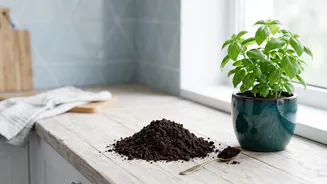
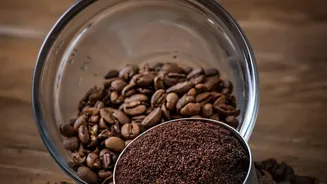
Your morning coffee ritual can extend right into your garden. Used coffee grounds are a fantastic source of nitrogen, a key nutrient that promotes lush, leafy growth in plants. While they also contain smaller amounts of phosphorus and potassium, their
main benefit is as a slow-release source of nitrogen. As microorganisms in the soil break down the grounds, they gradually make these nutrients available to your plants. Beyond nutrients, adding coffee grounds improves soil structure, aeration, and water retention, making it easier for plant roots to thrive. They are also known to attract earthworms, which are invaluable for creating healthy, aerated soil.
Beyond the Daily Grind
Many other common kitchen scraps can be repurposed into valuable garden supplements. Crushed eggshells, for example, are an excellent source of calcium, which helps strengthen plant cell walls and can help balance soil pH. Banana peels are famously rich in potassium, an essential nutrient for flowering and fruiting plants. Vegetable peels from items like potatoes and carrots contribute potassium and phosphorus, while citrus rinds can add vitamin C and other beneficial organic acids, though they should be used in moderation. Even used tea leaves can improve soil structure and add a moderate amount of nitrogen.
Simple Preparation Methods
You don't need a large, complicated compost system to start. One of the simplest methods is to collect and prepare scraps for direct use. It's best to dry coffee grounds before use to prevent mold growth; simply spread them on a tray for a day or two. Eggshells should be rinsed, dried, and crushed into a powder for faster absorption by the soil. For a quick nutrient boost, you can create a 'compost tea'. This involves soaking items like banana peels or composted materials in water for a few days, then straining the liquid and using it to water your plants. This liquid fertilizer provides a quick-acting dose of nutrients directly to the plant's roots.
How to Apply Your Homemade Fertilizer
Proper application is key to ensuring your plants get the benefits without any potential harm. One of the safest and most effective ways to use coffee grounds and other fine materials is to mix them directly into the soil. You can gently work them into the top six inches of soil around your plants. Avoid simply layering a thick crust of coffee grounds on the surface, as this can compact and create a water-resistant barrier. A good rule of thumb is to ensure kitchen waste makes up no more than 20-25% of your total soil volume. For compost tea, dilute the liquid until it has the color of weak tea before applying it to the base of your plants.
What to Avoid for a Healthy Garden
While many scraps are beneficial, some should be kept out of your garden fertilizer mix. Avoid using meat, dairy products, and oily or greasy foods. These items can attract pests, create foul odors, and harm the beneficial microbes in your soil. It's also wise to be mindful of the quantity you use. While used coffee grounds have a near-neutral pH, fresh (unbrewed) grounds can be quite acidic and may contain compounds that inhibit plant growth. Always start slowly, introducing small amounts of any new material to your soil and observing how your plants respond before adding more.