




Why Winter Is Tough on Hair
The cosy feeling of winter often comes at a cost to our hair. The primary culprit is a lack of moisture. Cold outdoor air holds less humidity, which can draw moisture out of your hair strands. When you come inside, indoor heating systems create an equally
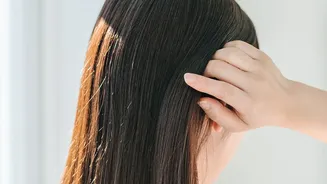
dry environment, further stripping your hair of its natural hydration. This leads to a roughened hair cuticle, the protective outer layer of the hair. Add the friction from woolly hats, scarves, and sweaters, and you have a perfect recipe for static, brittleness, and that dreaded winter frizz.
The Magic of Overnight Treatments
While a standard conditioner or a 10-minute mask offers some benefit, an overnight treatment takes hair repair to the next level. The extended contact time allows the nourishing ingredients to penetrate the hair shaft more deeply. While you sleep, your hair is also not exposed to daily stressors like heat styling, brushing, or environmental pollutants, creating an ideal window for intensive repair. This process helps to infuse strands with moisture, smooth the roughened cuticle, and improve overall softness and manageability by the time you wake up.
Powerhouse Ingredients to Look For
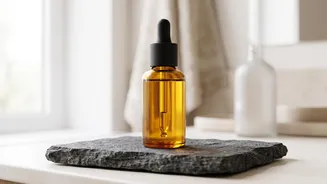
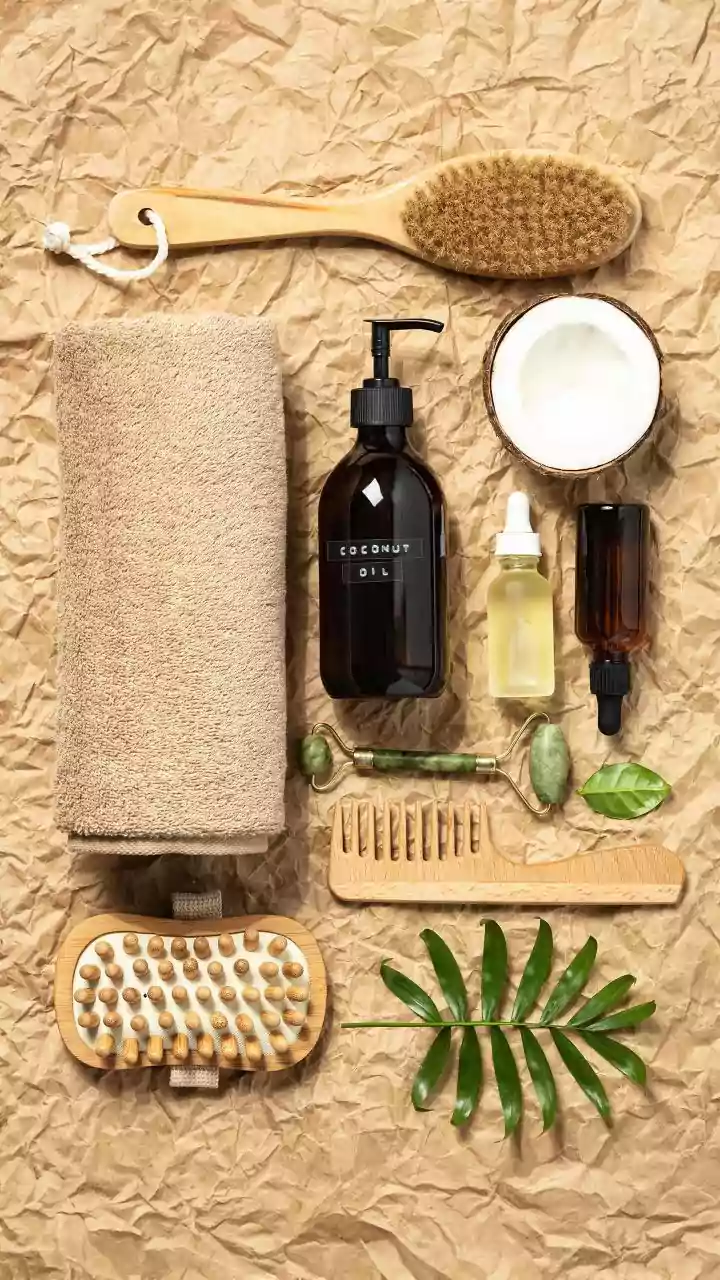
When choosing an overnight mask, the ingredient list is key. Look for products that contain a mix of humectants to attract moisture and emollients to seal it in. Hydrators like glycerin and hyaluronic acid draw water into the hair shaft. Oils and butters such as argan oil, coconut oil, and shea butter are excellent for smoothing the cuticle, locking in moisture, and adding shine. For hair that's truly damaged, ingredients like hydrolyzed keratin can help temporarily patch gaps in the cuticle, reinforcing the hair's structure and reducing the appearance of breakage.
Your Simple How-To Guide
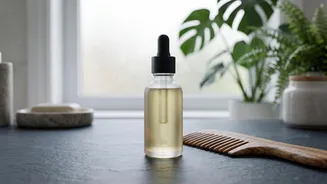
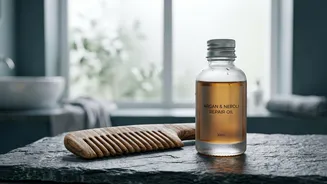
Getting the most out of your overnight mask is all about the application. Start with dry or towel-dried hair. Apply a small amount of the mask, focusing on the mid_lengths and ends where hair is typically driest and most damaged. Using too much product can weigh hair down or leave a greasy residue. Comb the product through with a wide_tooth comb for even distribution. To protect your bedding, you can loosely braid your hair and cover it with a silk or satin bonnet or scarf. In the morning, follow the product's instructions; some are leave_in, while most require a rinse with cool or lukewarm water.
Choosing the Right Mask and a Word of Caution
Not all hair masks are designed for overnight use. Always choose a product that is specifically labeled as an 'overnight' or 'leave_in' treatment. Masks with a high concentration of protein, for instance, can sometimes make hair stiff if left on for too long. The right mask depends on your hair type; fine hair will benefit from a lighter formula, while thick, coarse, or curly hair can handle richer creams. If you have a sensitive scalp or conditions like dandruff, it's wise to perform a patch test or focus the application strictly on the ends of your hair.