







The Global Squeeze: Why Crude Is Soaring
The primary driver of the recent surge in crude oil prices is escalating geopolitical tension in the Middle East. As of early September 2026, Brent crude, the benchmark for India's imports, is trading close to $100 per barrel, a three-month high. This
spike is largely due to a conflict between the US and Iran that has disrupted shipping through the Strait of Hormuz, a critical chokepoint for global oil supply. With about 20% of the world's oil passing through this narrow waterway, any instability there creates immediate supply fears, pushing prices up for importers like India. Since the conflict began earlier in the year, oil prices have jumped by over 30%, creating a ripple effect felt across the global economy.
From Ship to Station: How You Pay More
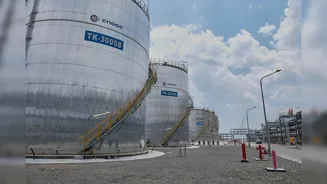
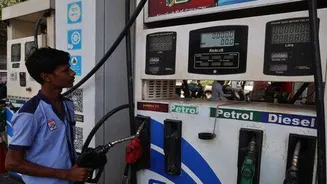
India's high dependency on foreign oil means these global price hikes are quickly felt at home. The country imports nearly 88% of its crude oil requirements. The journey from a barrel of crude to a litre of petrol in your vehicle is a multi-layered process. First, oil marketing companies (OMCs) like IOCL and BPCL buy crude oil in US dollars. A weaker rupee against the dollar makes these imports even costlier. After the crude is refined, the central government levies a fixed excise duty. Then, state governments add their own Value Added Tax (VAT), which varies significantly across the country, explaining why fuel prices differ from one state to another. Finally, a small commission for the dealer is added. This entire chain means that a surge in the base price of crude has a cascading effect on the final retail price.
The Tax Dilemma for Delhi
Taxes are a huge component of the final fuel price, often accounting for 40% to 55% of what consumers pay. This revenue is crucial for both central and state government budgets. For the central government, excise duty on fuel makes up a significant portion of its gross tax revenues. For states, petroleum and alcohol taxes can account for 25-35% of their own tax income. This creates a difficult balancing act. While cutting taxes would provide immediate relief to citizens, it would also create a major shortfall in government revenue, impacting funding for public services and infrastructure. Earlier in 2026, the government did cut excise duties to absorb some of the shock, but that relief was directed at oil companies to prevent a massive price hike at the pump, rather than being passed on directly to consumers.
The Ripple Effect on Travel and Budgets
The impact of rising crude prices extends far beyond just petrol and diesel. Aviation Turbine Fuel (ATF), the fuel used by airplanes, has also seen sharp price increases, with two consecutive monthly hikes in August and September 2026. ATF now accounts for about 35-40% of an airline's operating costs. While airlines may absorb some of this increase, industry experts warn that higher fares are likely, especially with the festive travel season approaching. Higher diesel prices also raise the cost of transporting goods by road, which can lead to a general increase in prices for everyday items from vegetables to electronics, contributing to overall inflation. The Reserve Bank of India has repeatedly flagged volatile crude prices as a key risk to the country's inflation outlook.