
The Uncrowned King of Kerala Gardens
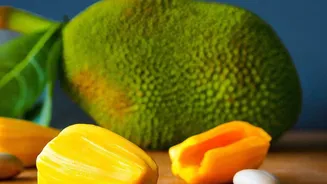
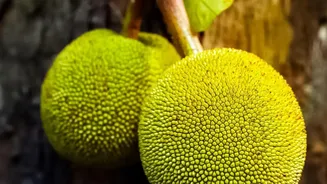
In Kerala, the jackfruit tree is more than just a source of fruit; it's a part of the family home, a symbol of summer vacations and abundance. For generations, this giant, spiky fruit has been a cornerstone of the Malayali diet, deeply woven into the state's
culinary identity. Its history stretches back thousands of years in the region. Every part of the fruit has a purpose, from the raw, starchy flesh used in savoury dishes to the sweet, ripe pods enjoyed as a fruit, and even the seeds which are cooked into curries. This 'nose-to-tail' approach reflects a deep-rooted wisdom of making the most of local, seasonal ingredients, a practice that was once a necessity and is now becoming a conscious choice.
Why the Comeback, Why Now?
For a time, the jackfruit was seen as a nuisance, a backyard fruit that was often left to rot or given away. However, a powerful shift is underway. Several factors are driving its resurgence. Globally, the demand for plant-based meat alternatives has put the spotlight on raw jackfruit's uniquely fibrous, meaty texture. Health is another major driver. Raw jackfruit is high in fibre, low in calories, and has a lower glycemic load compared to staples like rice, making it beneficial for managing blood sugar. There’s also a growing nostalgia and a post-pandemic rekindling of interest in traditional, home-cooked meals. This renewed focus on wellness and sustainability makes the local, pest-resistant, and generously yielding jackfruit the perfect ingredient for our times.
The Classics Driving the Trend
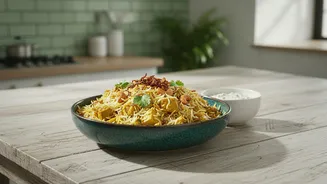
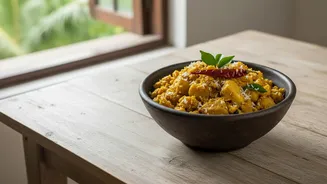
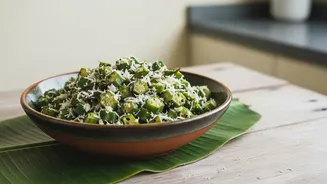
At the heart of this revival are timeless recipes passed down through generations. The most iconic is perhaps 'Chakka Puzhukku', a comforting mash of cooked raw jackfruit with a coarsely ground mixture of coconut, green chillies, and cumin, finished with a tempering of mustard seeds and curry leaves in coconut oil. Traditionally considered a poor man's meal and a substitute for rice, it is now celebrated for its earthy flavour and nutritional benefits. Another staple is 'Chakka Erissery', a special occasion dish often found in sadhyas (feasts), where jackfruit is cooked in a spicy coconut paste and topped with fragrant roasted coconut. These dishes are not just food; they are an experience, often best enjoyed with a fiery fish curry.
Preserving the Bounty for Later
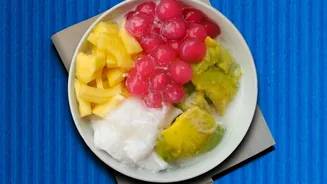
The genius of Kerala cuisine also lies in its methods of preservation. 'Chakka Varattiyathu' is a prime example. It’s a thick, dark, and intensely flavourful jackfruit preserve or jam, made by slowly cooking ripe jackfruit with jaggery and ghee for hours. This laborious process, often a communal activity, transforms the seasonal fruit into a delicacy that can be stored for months. This sweet, sticky preserve is delicious on its own but also serves as a versatile ingredient, forming the base for the beloved dessert 'Chakka Pradhaman' (a type of kheer) or used as a filling in steamed rice cakes known as 'Ela Ada'. It's a testament to the ingenuity of ensuring no part of the seasonal bounty goes to waste.