



The Clock is Ticking: Key Dates and Bookings
First, the crucial dates. The main festival runs from Shashthi on October 16th to Vijayadashami on October 21st, 2026. The peak days for pandal hopping and the largest crowds will be Saptami, Ashtami, and Navami (October 18-20). If you haven't booked
your flights and accommodation, you need to do so immediately. Prices for hotels and flights surge during this period, and the best options are likely already gone. Consider staying in areas that provide good metro access, such as near Park Street, Salt Lake, or Gariahat, as this will be your lifeline for navigating the city. Even budget-friendly dharamshalas get booked up months in advance. Your planning window isn't next week; it's now.
The Pandal Hopping Strategy: Go Against the Flow
Trying to see everything is a recipe for exhaustion. A smarter approach is to divide and conquer. The most predictable crowd pattern is a massive surge from 7 PM to midnight. To avoid this, become an early bird. The quietest time to visit pandals is between 8 AM and 11 AM, when you can appreciate the artistry without being pushed along. Another window opens up after 1 AM, when many major pandals are still illuminated but the queues have thinned considerably. A good strategy is to dedicate one day to North Kolkata's traditional 'bonedi bari' and community pujas (like Bagbazar Sarbojanin) and another day to South Kolkata's grand, thematic pandals (like Ekdalia Evergreen and Suruchi Sangha). Don't try to zig-zag across the city in one night.
Navigating the City of Joy Like a Local
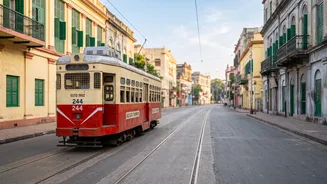
During Puja, the Kolkata Metro is not just a transport option; it's the best way to travel. It runs on an extended schedule, often until the early morning hours, and allows you to bypass the massive road closures and traffic snarls that bring cars and cabs to a standstill. Many key roads around major pandals are closed to vehicles in the evenings, making walking the only way to get around. Wear your most comfortable, broken-in shoes, as you will easily walk several kilometres a day. For transport within a specific neighbourhood, auto-rickshaws are an option, but be prepared for heavily inflated fares. Keep small amounts of cash handy, as many street food vendors and local transport options may not accept digital payments during the rush.
Choosing Your Experience: North vs. South
Kolkata's Durga Puja offers two distinct flavours: North and South. North Kolkata is the heart of tradition. Here you'll find the centuries-old 'bonedi bari' pujas in aristocratic family homes like Shobhabazar Rajbari, alongside some of the oldest community pandals. The atmosphere is more about heritage and devotion. South Kolkata is where the grand spectacle unfolds. This is the zone of high-concept, theme-based pandals that are essentially large-scale art installations. Pandals like those at Ballygunge, Jodhpur Park, and Chetla compete to create the most talked-about themes. For a first-timer, dedicating a day to each allows you to experience the full spectrum of the festival. Start with the heritage of the North in the morning and dive into the spectacle of the South in the evening.
Beyond the Pandals: Food and Culture
Durga Puja is as much a feast for the stomach as it is for the eyes. Don't leave without trying the 'bhog'—a simple, delicious community lunch of khichuri and labra (mixed vegetables) served at many pandals. Street food is everywhere, with iconic snacks like kathi rolls and phuchka. Eat at stalls that have a high turnover, as this usually means the food is fresh. Beyond the food, look out for cultural programs, the rhythmic beat of the 'dhaak' (drum), and the ritualistic 'dhunuchi naach' (a dance with incense burners) in the evenings. The festival culminates with the immersion of the idols on Vijayadashami, a spectacular procession worth witnessing at ghats like Babughat or Bagbazar Ghat.