

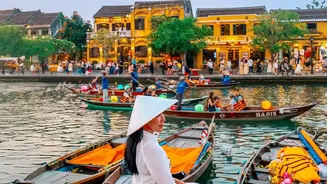

From Tourist to Traveller
There’s a significant shift happening in how we explore the world. Instead of simply observing from a tour bus, modern travellers are seeking genuine immersion. This means swapping crowded monuments for meaningful interactions and pre-packaged tours for spontaneous
discoveries. The goal is no longer just to visit a place, but to understand it. This growing desire for authenticity reflects a pushback against a globalised world where many experiences can feel standardized. Travellers are actively choosing to engage with the unique cultural and social fabric of a destination, creating personal stories rooted in human connection.
Food as the Ultimate Cultural Gateway
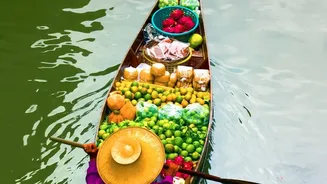
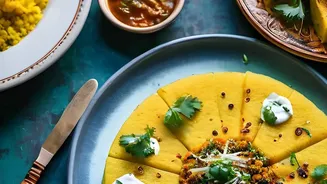
At the heart of this trend is culinary tourism, which has become a primary motivator for travel. More than just sustenance, food is a direct and delicious entry point into a region's history, culture, and daily life. Recent reports show a massive global appetite for these experiences, with the culinary tourism market projected to grow significantly in the coming years. This isn't just about fine dining; travellers are exploring street food trails, visiting local markets, and even taking cooking classes to learn the secrets behind regional dishes. In India, the culinary tourism market was valued at over USD 110 billion in 2025 and is expected to see strong growth. This surge is driven by a desire to connect with India's vast culinary diversity, from the coastal flavours of Kerala to the robust dishes of Rajasthan.
Why Is This Happening Now?
Several factors are fuelling this quest for authenticity. For many, it's a reaction to the isolation of the digital age and a post-pandemic desire for more meaningful, restorative journeys. Social media also plays a complex role; while it can contribute to over-tourism, it also inspires travellers to seek out hidden gems and unique local experiences showcased by vloggers and influencers. Furthermore, there is a rising awareness around sustainable and ethical tourism. Travellers increasingly want their spending to support local communities, artisans, and family-run businesses rather than large, impersonal corporations. This mindset has given rise to "slow travel," where people stay longer in one place to truly soak in the culture instead of rushing through an itinerary.
The Trend in India: A Cultural Renaissance
This trend is particularly strong within India, where domestic travel is booming. A recent report revealed that 84 per cent of Indian travellers have a growing interest in culture-led travel, with regional food and festivals being major draws. It's no longer about just visiting the Taj Mahal; it's about planning a trip around Durga Puja in Kolkata or exploring the craft villages of Kutch. This has led to the rise of hyperlocal travel startups that offer unique micro-tours, from food walks in old city lanes to guided visits with local artisans, making authentic experiences more accessible. Travellers are venturing beyond major hubs into Tier II and Tier III towns, driven by a curiosity to uncover the rich, diverse tapestry of India's living heritage.
Beyond the Restaurant: The New Souvenir
The search for authenticity has even redefined what constitutes a travel experience. A new trend, dubbed "grocery store tourism," sees travellers exploring local supermarkets and neighbourhood shops to understand daily life. For these travellers, the packaging on a snack or the variety of local produce says more about a culture than a staged performance. Instead of traditional souvenirs, many are now bringing home regional spices, specialty snacks, and local condiments. This approach allows for a deeper, more personal connection to a place, turning an everyday errand into an act of cultural discovery and providing a tangible taste of the destination long after the trip is over.