



Why Protein Is a Priority
Protein is an essential macronutrient that plays a crucial role in almost every bodily function. For young adults, it's especially important for building and repairing tissues, supporting muscle growth, maintaining energy levels, and ensuring a healthy
immune system. According to the Indian Council of Medical Research (ICMR), a sedentary adult needs around 0.8 to 1 gram of protein per kilogram of body weight daily. For a person weighing 60 kg, that's about 48-60 grams of protein per day. If you are physically active, your requirements will be higher. The challenge for many vegetarians is that common meals are often heavy on carbohydrates and light on protein, making it necessary to be more intentional with food choices.
The Power of Lentils (Dal)
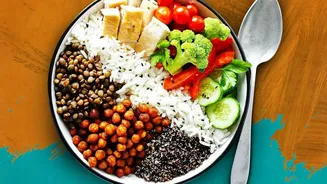
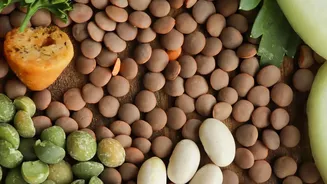
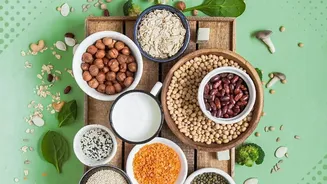
Lentils, or dal, are a cornerstone of the Indian diet and a fantastic source of plant-based protein. A single cooked cup can provide around 18 grams of protein, along with a healthy dose of dietary fibre. Toor (arhar), masoor, and moong dal are all excellent choices. While a classic dal tadka served with rice or roti is a great start, think beyond the bowl. Use cooked lentils to form the base for savoury pancakes (like moong dal chilla), mix them into salads for added substance, or blend them into hearty soups. Sprouted lentils are even more potent, with some estimates suggesting their protein content can be significantly higher. Combining lentils with a grain like rice creates a 'complete protein', meaning you get all nine essential amino acids your body needs.
The Familiar Favourite: Paneer
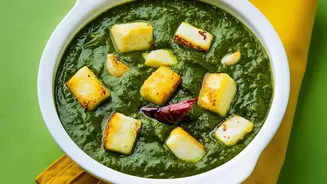
Paneer is often the first protein source that comes to mind for Indian vegetarians, and for good reason. A 100-gram serving packs a powerful 18-20 grams of protein. It's also a great source of calcium. While paneer butter masala is a delicious treat, its high-fat content means it's best enjoyed in moderation. For daily protein, think lighter. Paneer bhurji (a savoury scramble) for breakfast is a fantastic way to start the day with a protein punch. Cubed paneer can be grilled for tikkas, pan-fried and tossed into salads, or added to wraps and sandwiches. Because it’s a dairy product, it’s a complete protein on its own, making it a highly efficient choice.
The Adaptable All-Star: Tofu
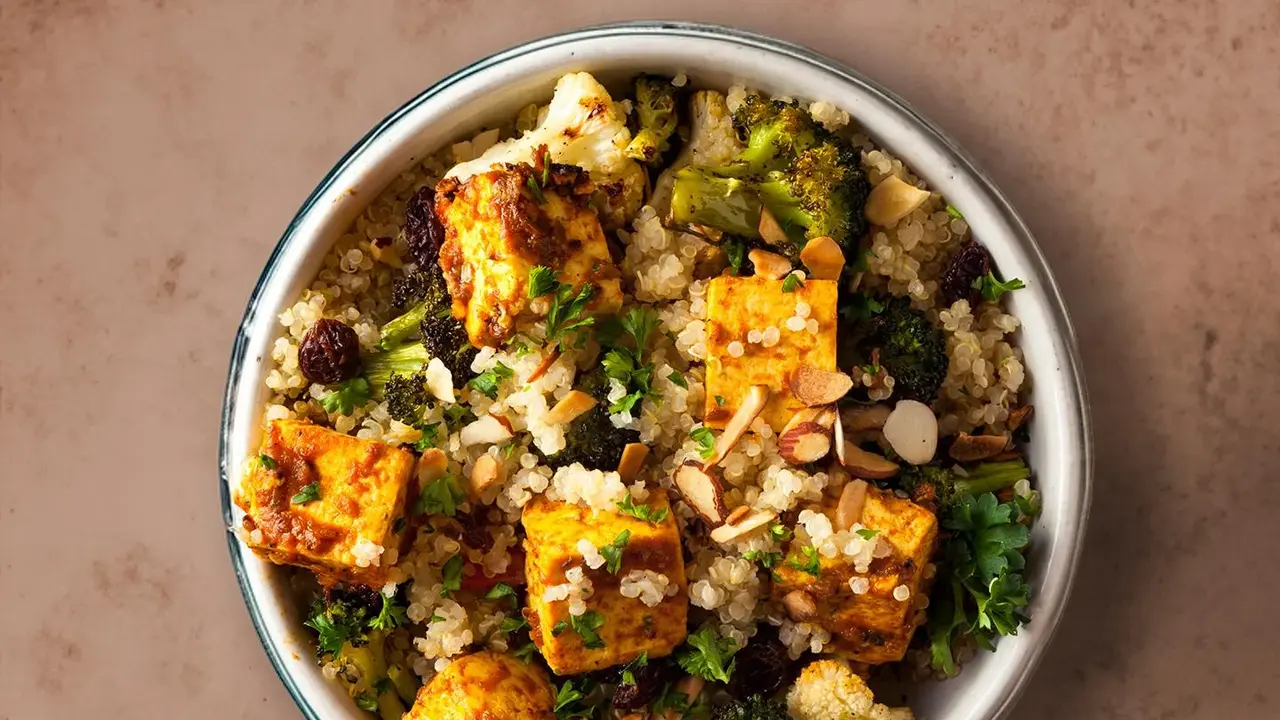
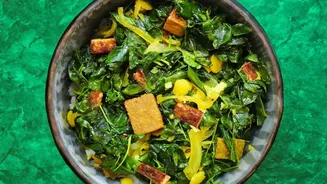
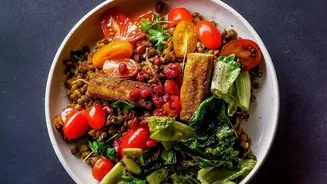
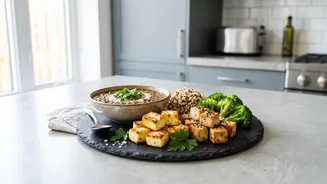
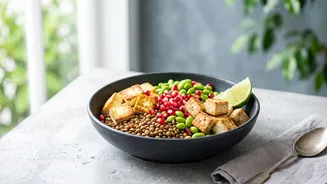
Made from soybeans, tofu is a complete protein that's lower in calories and fat compared to paneer, making it an excellent choice for those managing their calorie intake. A 100-gram serving of firm tofu provides around 8-10 grams of protein, though some extra-firm varieties can have as much as 17 grams. The key to delicious tofu is preparation. Because it’s bland on its own, tofu is brilliant at absorbing flavours. Pressing the water out before cooking is crucial. Marinate cubes of firm tofu in your favourite spices before stir-frying, grilling, or baking. You can also crumble it to make a vegan-friendly bhurji or scramble, blend silken tofu into smoothies for a creamy protein boost, or add it to curries as a paneer substitute.
A Sample Day of Protein Power
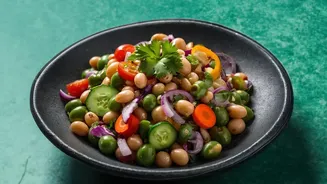
Combining these three ingredients throughout the day ensures you get a diverse range of nutrients and amino acids. Here’s one way to structure your meals: Breakfast (20-25g protein): Start with a paneer or tofu bhurji with two slices of whole-wheat toast. Alternatively, a couple of moong dal chillas with a side of curd is another high-protein option. Lunch (15-20g protein): A bowl of rajma or dal with brown rice and a side salad. For something different, a wrap filled with spiced, crumbled tofu and fresh vegetables provides a balanced and satisfying meal. Snack (10-15g protein): A handful of roasted chana or a small bowl of sprout salad is an easy, portable option. Dinner (20-25g protein): A mixed vegetable and lentil curry is both comforting and nutritious. Or try a stir-fry with plenty of vegetables and marinated, pan-fried tofu, served with quinoa.