


Peru is a land of ancient wonders, vibrant culture, and breathtaking landscapes. But with great popularity comes great crowds. Some of its most famous attractions can feel commercialized or overwhelming, leaving travellers wondering if they missed the magic.
Machu Picchu: The Overcrowded Wonder
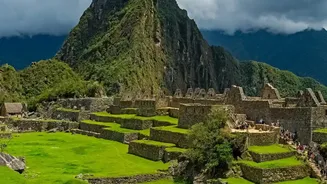
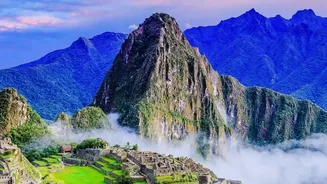
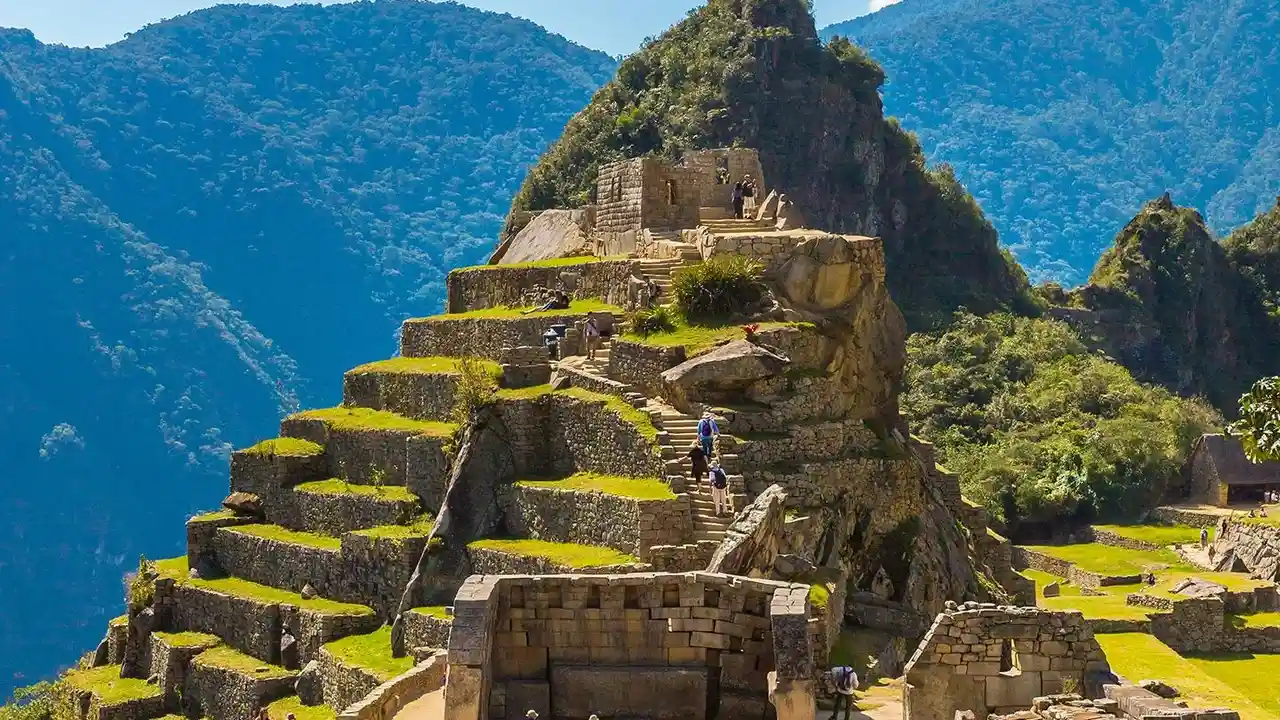
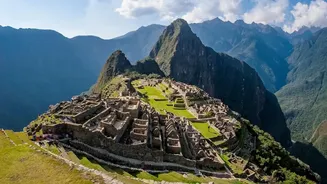
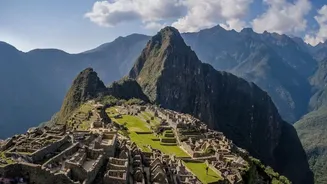
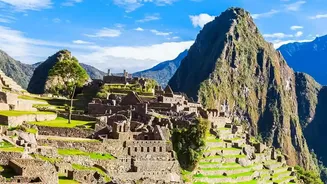
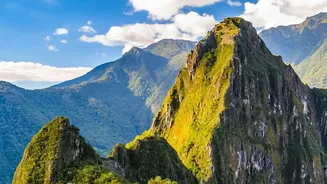
Let’s be clear: Machu Picchu is not overrated in its grandeur or historical significance. It is a true wonder of the world. The 'overrated' part comes from the experience itself. Strict, timed circuits, immense crowds, and the constant pressure to move along can detract from the awe-inspiring atmosphere. The classic Inca Trail is often booked months, if not years, in advance and can be incredibly busy during peak season. Instead of skipping it, consider a smarter approach. Visit during the shoulder seasons (April, May, September, or October) for fewer people. For a truly different perspective, consider the trek to Choquequirao. Often called Machu Picchu’s 'sister city', this sprawling Inca site is roughly three times larger, still largely unexcavated, and receives only a handful of visitors each day due to the challenging multi-day hike required to reach it. The reward is an uninterrupted connection with ancient history in near-total solitude.
Rainbow Mountain: The Instagram vs. Reality Test
The colourful stripes of Vinicunca, or Rainbow Mountain, are a social media sensation. However, reality can be a shock. Tours often involve a 3 AM wake-up call from Cusco, followed by a demanding high-altitude hike (over 5,000 meters) amidst hundreds of other people all vying for the same photo. The weather is unpredictable, and altitude sickness is a real risk. While the colours are real, many photos are heavily saturated, setting up unrealistic expectations. For a similar, less strenuous experience, look to Palccoyo Rainbow Mountain. It offers views of three distinct rainbow-coloured mountains, requires a much shorter and flatter walk, and sees a fraction of the crowds. Another fantastic option often included in Rainbow Mountain tours is the Red Valley, a landscape so stunning that many visitors find it even more impressive and serene than Vinicunca itself.
The Nazca Lines: A Fleeting, Pricey Glimpse
The mystery of the Nazca Lines—enormous geoglyphs etched into the desert floor over 1,500 years ago—is undeniable. The most common way to see them is via a small plane, a costly experience that lasts about 35 minutes. These flights are notorious for inducing motion sickness as pilots bank sharply to give passengers on both sides a view. For some, the fleeting glimpse of the figures from the air doesn't justify the price and potential discomfort. As an alternative, you don't have to fly at all. A viewing tower located along the Pan-American Highway offers a solid, ground-based view of two of the figures: the tree and the hands. To truly appreciate the culture behind the lines, spend time in the town of Nazca itself. Visiting local museums provides context and a deeper understanding of the Nazca civilization's achievements beyond just the famous lines.
Lima's Tourist Hubs: Beyond Miraflores
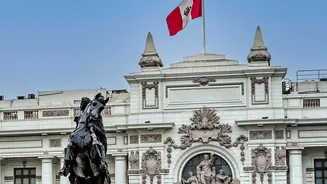
Lima's Miraflores district is safe, modern, and offers beautiful coastal views, shopping, and highend restaurants. However, some travellers find it can feel generic, like many other global cities, lacking a distinctly Peruvian character. While it's a comfortable base, spending all your time there means missing out on the sprawling, multifaceted soul of Lima. To find it, venture into other neighbourhoods. Barranco, right next door, offers a more bohemian and artistic vibe. For a deeper dive into history, Pueblo Libre is home to the exceptional Larco Museum and traditional taverns. Exploring the historic center, a UNESCO World Heritage site, reveals colonial architecture and the city's political heart. For a truly local experience, consider a guided tour to a 'human settlement', offering a responsible way to see communityled projects and understand daily life for millions of Limeños.