






Why Hazy Air Harms Your Skin
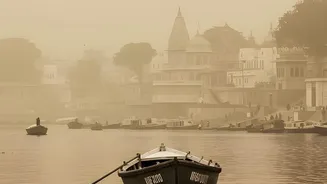
The smog that characterizes Delhi's hazy season is more than just an unpleasant sight; it's a cocktail of harmful pollutants, including fine particulate matter (PM2.5), nitrogen dioxide, and other toxins. These microscopic particles are small enough to settle
on the skin's surface and even penetrate its outer layers. This triggers a process called oxidative stress, where unstable molecules known as free radicals damage skin cells, break down collagen, and weaken the skin's natural protective barrier. The result? Increased sensitivity, inflammation, dryness, clogged pores, acne flare-ups, and accelerated signs of aging like fine lines and dark spots.
The First Step: A Thorough, Gentle Cleanse
Removing the day's accumulation of grime is the most critical step in any anti-pollution skincare routine. Pollutants stick to your skin, so a proper cleanse is non-negotiable. Consider a double cleanse in the evening, especially if you wear makeup or have been outdoors for an extended period. Start with an oil-based cleanser to dissolve makeup, sunscreen, and oil-soluble impurities. Follow up with a gentle, water-based cleanser to wash everything away without stripping your skin of its natural oils. This two-step process ensures your skin is a clean slate, ready to absorb the beneficial ingredients from the rest of your routine and preventing pollutants from clogging your pores overnight.
The Second Step: Hydrate and Strengthen
Pollution compromises your skin's barrier, leading to moisture loss and increased irritation. A good moisturizer is essential to counteract this. It not only hydrates the skin but also helps to repair and reinforce its protective barrier. Look for moisturizers with ingredients like hyaluronic acid, which draws moisture into the skin, and ceramides, which act like the 'mortar' holding your skin cells together. A strong, healthy barrier is better equipped to defend itself against environmental aggressors. This step is crucial for all skin types, even those that are oily, as pollution can cause dehydration regardless of oil production.
The Third Step: Protect and Defend
The final step in a simple morning routine is protection. This involves two key elements: sunscreen and antioxidants. Hazy skies can be deceptive, but harmful UV rays still penetrate them, and their effects can be amplified by pollution. A broad-spectrum sunscreen is your daily shield against both UV damage and some environmental pollutants. Additionally, incorporating an antioxidant serum can help neutralize the free radicals generated by pollution. Vitamin C is a well-regarded antioxidant that can brighten the skin and protect it from oxidative stress. Other powerful antioxidants include Vitamin E, niacinamide (a form of Vitamin B3), and extracts from green tea. Applying an antioxidant serum before your moisturizer and sunscreen provides a vital layer of defence.
What to Avoid During Hazy Season
When your skin is already under stress from pollution, it's best to avoid overburdening it. Steer clear of harsh physical scrubs or aggressive treatments that can further compromise the skin barrier. Over-exfoliating can create micro-tears in the skin, making it even more vulnerable to pollutants. Instead, focus on the gentle basics of cleansing, hydrating, and protecting. If you experience persistent redness, itching, or severe breakouts, it may be a sign of a more serious reaction, such as eczema or dermatitis, which can be exacerbated by poor air quality. In such cases, simplifying your routine and consulting a dermatologist is the best course of action.