


Hibiscus (Gudhal)
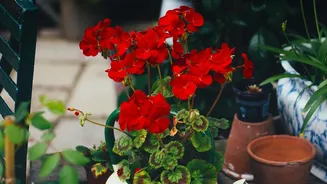
A quintessential tropical flower, the Hibiscus truly comes alive during the monsoon. Its large, showy blooms in shades of red, pink, yellow, and white become even more vibrant in the humid weather. Hibiscus is a moisture-loving plant and thrives with
the natural rainfall, often producing more flowers during this season with very little special maintenance. It’s perfect for adding a dramatic splash of colour to a sunny spot on your balcony. While it loves water, ensure your pot has excellent drainage to prevent the soil from becoming waterlogged. Regular pruning during the early monsoon can help shape the plant and encourage an abundance of beautiful blooms.
Jasmine (Mogra/Chameli)
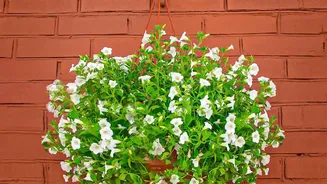
There are few things more delightful than the fragrance of Jasmine mixed with the earthy scent of rain. Known commonly as Mogra or Chameli, this plant is cherished for its small, white, intensely fragrant flowers. Jasmine vines and shrubs adore the high humidity of the monsoon, which helps them retain moisture and bloom profusely. They are a fantastic choice for a balcony, releasing a calming, sweet scent, especially in the evenings. Plant them in a spot with partial to full sun and in well-drained soil. Like hibiscus, they don't require much extra care during the rains, making them a low-effort, high-reward option.
Balsam (Gul Mehendi)
Balsam is a classic Indian monsoon annual, perfectly adapted to the season. These cheerful plants, available in shades of pink, purple, red, and white, are incredibly easy to grow from seed. If you sow them in June, you can expect a balcony full of flowers by August. They thrive in the fresh, humid weather and require minimal effort to flourish, making them a favourite for beginner gardeners. Balsam prefers partial shade, so it’s a great option for balconies that don’t receive harsh, direct sunlight all day. The key is to provide them with well-draining soil and let the monsoon rains do the rest.
Periwinkle (Sadabahar)
True to its Hindi name 'Sadabahar', which means 'evergreen', the Periwinkle is a resilient, all-weather plant that does exceptionally well during the rains. These plants produce charming, star-shaped flowers in shades of pink, white, and lavender, and they bloom continuously with very little maintenance. Periwinkle is drought-tolerant but also handles the monsoon moisture with grace, as long as it's planted in well-draining soil. This makes it one of the most forgiving plants for a balcony garden. It thrives in a sunny spot and will reward you with a constant display of colour throughout the season and beyond.
Bougainvillea
Famous for its paper-like bracts that erupt in a riot of magenta, purple, orange, and white, Bougainvillea is a stunning addition to any sunny balcony. While known for its drought resistance, this plant also performs wonderfully during the monsoon, as the weather encourages new growth and vibrant blooming. To get the best out of your Bougainvillea during the rains, ensure it gets plenty of bright sunlight. A good balance of sun and rain will turn your balcony into a colourful spectacle. It’s a hardy plant that can withstand heavy rains if planted in soil that drains well.
Rain Lily (Zephyranthes)
As the name suggests, Rain Lilies are the perfect monsoon flower. The bulbs often lie dormant during the dry summer and then, as if by magic, sprout delicate, lily-like blooms right after the first showers. Available in yellow, pink, and white, these plants add a cheerful and surprising element to your balcony garden. They are incredibly low-maintenance; once planted, they require very little attention. Their ability to pop up with the rain makes them a delightful and easy-to-care-for choice for adding a touch of whimsy to your pots and planters.
Essential Monsoon Care Tips
While these plants love the rain, a few simple tips can ensure they thrive. The single most important factor is proper drainage; make sure all your pots have holes to let excess water escape and prevent root rot. It's also wise to check the soil before watering; even on days without rain, the high humidity means the soil stays moist for longer. Providing good air circulation by not crowding plants too closely can help prevent fungal infections, which are common in damp conditions. Finally, regularly removing any dead leaves or flowers will keep your plants healthy and encourage new growth.