



Engage Their Brain with Puzzle Toys
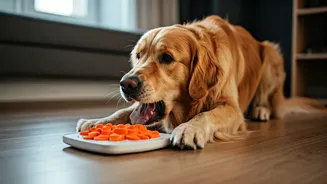
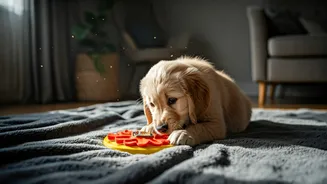
A tired dog isn't just one who has run a lot; it's one who has used their brain. Mental stimulation can be more exhausting than physical activity. This is where puzzle toys and feeders come in. Instead of just placing their meal in a bowl, make them work
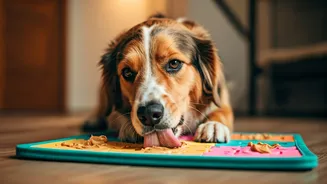
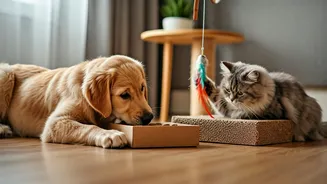
for it. Start with a simple food-dispensing toy that releases kibble when rolled around. As your pet gets the hang of it, you can move on to more complex puzzles with sliders, flaps, and hidden compartments. For cats, puzzle feeders mimic their natural instinct to hunt for food, providing immense satisfaction. You don't even need to buy expensive toys. A simple 'snuffle mat' can be made by tying fleece strips to a rubber mat, allowing you to hide treats inside. Or, try hiding kibble in a rolled-up towel. A 15-minute puzzle session can be as tiring as a 30-minute walk.
Turn Your Home into a Scent Zone
A dog's most powerful sense is their nose, and putting it to work is a fantastic way to burn energy. 'Nose work' or scent games are easy to play indoors. Start simply with the 'which hand?' game. Hold a treat in one closed fist, present both to your dog, and reward them when they sniff or paw the correct hand. Once they master this, you can move on to a home-wide 'find it' game. Have your pet stay in one room while you hide a few high-value treats (like small pieces of paneer or boiled chicken) around another. Then, release them with a command like "Find it!" and let them sniff out their prize. This game engages their primary sense, forces them to problem-solve, and provides a huge mental workout. It’s a perfect activity for a rainy day or when the afternoon heat makes outdoor play impossible.
Teach an Old (or Young) Pet New Tricks
A focused training session is one of the best ways to tire out your pet while strengthening your bond. It's not just about 'sit' and 'stay'. Teaching more complex tricks requires concentration and self-control from your pet. Try teaching them to 'shake', 'high-five', 'roll over', or even something more advanced like putting their toys away in a basket. Keep training sessions short, fun, and positive—around 10-15 minutes is ideal. Use plenty of praise and tasty rewards. This isn't just for dogs; cats are highly trainable too! You can teach a cat to come when called, sit, or even walk on a harness. The mental effort of learning and performing a new behaviour is incredibly taxing and rewarding for them.
Make Walks a Sensory Experience
Many owners treat walks as a mission: get from point A to point B to let the dog relieve itself. But for a dog, a walk is their chance to read the 'news' of the neighbourhood through scents. A 'sniffari'—a walk where you let your dog lead the way with their nose—is far more enriching than a brisk, structured walk. Instead of pulling them along, let them stop and thoroughly investigate that interesting patch of grass or lamp post. Allowing them to sniff for just a few minutes provides a massive amount of information and mental stimulation. Vary your routes to introduce new smells and sights. While a good run is great for physical health, a slow, sniff-heavy walk is crucial for their mental well-being and can leave them surprisingly pooped.
Build a DIY Indoor Obstacle Course
You don't need professional agility equipment to give your pet a fun physical and mental challenge. Use what you have at home! Create a simple obstacle course using pillows to jump over, chairs to weave through, and a blanket draped over two dining chairs to create a tunnel. Lure your pet through the course with a favourite toy or treat. This activity, often called 'urban agility', encourages them to think about their body movements and follow your direction. It builds confidence, coordination, and burns energy in a structured, engaging way. Even just teaching them to crawl under a low table or jump onto (and off) a sturdy ottoman on command can be a great workout. Always ensure the setup is safe and stable to prevent any injuries.