






The Rise of the Instagram-Famous Destination
For the past decade, social media has been a powerful force in shaping how we travel. Platforms like Instagram and TikTok have turned travel into a visual-first experience, where the primary goal is often to capture the perfect, shareable photo. According
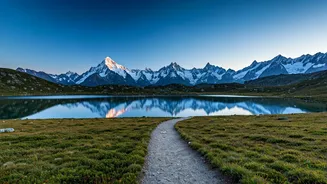
to some reports, a high percentage of travelers, especially younger ones, choose their destinations based on what they see on others' social media feeds. This has led to the rise of 'Instagrammable' spots – specific viewpoints, cafes, or natural wonders that become global phenomena. The result is often a predictable travel circuit, where thousands flock to the same locations to replicate the same photos, creating a feedback loop of popularity that can quickly overwhelm a destination.
A Backlash Against Overtourism
The relentless drive for viral content has a significant downside: overtourism. Previously quiet towns and delicate natural areas are now grappling with massive influxes of visitors, often beyond what their infrastructure can handle. This can lead to environmental degradation, strain on local resources, and a diminished quality of life for residents. In response, many are experiencing social media fatigue. A growing number of travelers are feeling a disconnect between the polished perfection online and the often-crowded reality on the ground. The experience of queuing for a photo op can feel more like a chore than a joyful discovery, prompting a search for something more genuine.
The New Luxury: Unplugged and Authentic
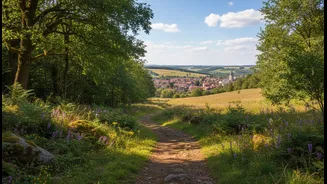
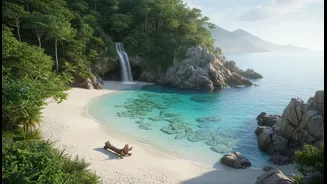
This is where the value of hidden spots comes in. The new trend, often called 'unplugged travel' or 'digital detox' vacations, prioritizes genuine connection over digital validation. The 'value' gained isn't monetary, but experiential. It's the joy of discovery, the thrill of having a place to yourself, and the mental space that opens up when you're not constantly documenting. Disconnecting from devices allows for deeper engagement with your surroundings, your travel companions, and local culture. This shift represents a return to a slower, more intentional form of travel, where the journey itself is the reward, not just the photos you bring back. In a hyper-connected world, being unreachable has become a new form of luxury.
Rediscovering the Joy of Being Present
The benefits of this approach are significant. Travelers report better sleep, reduced stress, and stronger relationships. By putting phones away, spontaneous conversations can lead to new friendships, and removing the distraction of a screen allows for a more mindful, immersive experience. It's about trading 'stories for selfies'. This doesn't mean forgoing technology entirely, but rather using it as a tool for planning and then consciously putting it aside to be present in the moment. The goal is to return from a trip feeling refreshed and mentally rejuvenated, not exhausted from the pressure to perform for an online audience.
How to Find Your Own Hidden Gem
Finding these less-traveled places requires a shift in mindset. Instead of searching for the 'top 10' lists, try exploring based on your interests, like food, history, or a specific outdoor activity. One effective strategy is to look at 'second cities'—visiting Syracuse instead of Rome, or exploring India's less-frequented regions like Sikkim instead of the usual tourist circuits. Talk to locals at pubs or markets; they are often the best source for truly hidden spots. Another tactic is to get lost on purpose, allowing curiosity to be your guide. Sometimes the most memorable discoveries are the ones you stumble upon by accident, far from any geotag or hashtag.