





An 'Off the Charts' Weather Event
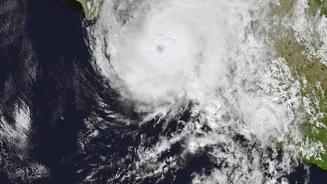
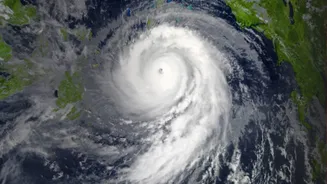
Scientists are watching a strengthening El Niño event that is being described in historic terms. El Niño is a natural climate pattern characterized by the warming of sea surface temperatures in the central and eastern equatorial Pacific Ocean. This year's
event is not just strong; it's on track to be one of the most intense ever recorded. The World Meteorological Organization (WMO) has confirmed the El Niño has been intensifying since August and is expected to peak around December 2026. Forecasters note there is a high probability of a 'strong-to-very strong' event persisting into early 2027. This isn't just a routine cycle; the WMO has stated this El Niño is 'quite literally — off the charts', acting as a major risk multiplier on top of existing global warming trends.
How a Warm Ocean Fuels Hotter Days
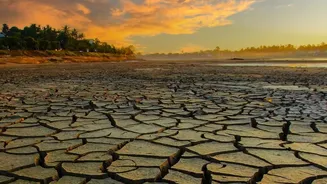
The connection between a warm Pacific Ocean and hotter days in India is direct. El Niño releases vast amounts of heat from the ocean into the atmosphere, disrupting global weather patterns. This typically boosts annual global mean temperatures and is strongly associated with more frequent and intense heatwaves across India, particularly in the central and northwestern regions. The result is not just hotter daytime temperatures but also warmer nights. This is critical because warm nights prevent the human body from recovering from daytime heat, compounding health risks. Combined with background climate change, this powerful El Niño is expected to supercharge our weather, increasing the risk of extreme heat well into 2027.
Defining Heat Stress: More Than Discomfort
Heat stress is what happens when the body can no longer properly regulate its own internal temperature due to external heat. It is a spectrum of conditions that can range from mild symptoms like fatigue, thirst, and muscle cramps to severe, life-threatening illnesses like heat exhaustion and heatstroke. Heatstroke, the most severe form, occurs when the body's cooling mechanism fails, and it can be fatal if not treated immediately. Symptoms of escalating heat stress can include confusion, headaches, a rapid heart rate, excessive sweating or a dangerous inability to sweat, and fainting. It's a serious medical condition that turns a hot day into a public health crisis.
Who Is Most Vulnerable in India?
While everyone is affected by extreme heat, some groups are far more vulnerable. In India, this includes outdoor workers such as farmers and construction labourers, who have little choice but to endure the heat. The elderly, young children, and people with pre-existing medical conditions like heart or lung disease are also at significantly higher risk. Furthermore, India's densely populated cities create 'urban heat islands', where concrete and asphalt absorb and radiate heat, making urban areas significantly hotter than their rural surroundings, especially at night. This puts millions of urban dwellers, particularly those in homes without access to cooling, in a perilous position during prolonged heatwaves.
Strengthening Defences Against the Heat
In response to the growing threat, India has been developing Heat Action Plans (HAPs) at the state, district, and city levels. These plans focus on early warning systems, public awareness campaigns, and providing access to essentials like drinking water and public cooling centres. The National Disaster Management Authority (NDMA) leads comprehensive strategies to mitigate risks, and many states now have plans to adjust work and school timings during heatwaves. On an individual level, health officials advise staying hydrated, avoiding strenuous activity during peak sun hours (typically 11 a.m. to 4 p.m.), wearing light clothing, and using cool showers to lower body temperature. Ensuring health facilities are prepared with IV fluids, ice packs, and trained staff is also a key part of the national strategy.