


Meet Quinoa: The Ancient Grain for Modern Kitchens
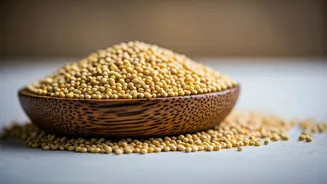
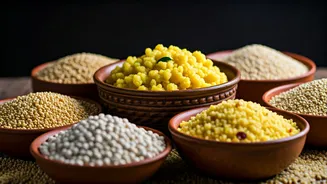
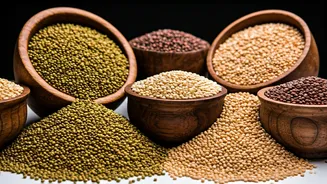
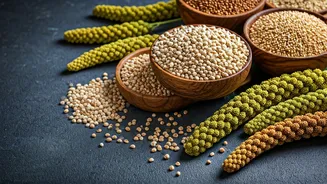
Quinoa (pronounced ‘keen-wah’) isn't technically a grain but a seed, often referred to as a pseudocereal. [1] Hailing from the Andean regions of South America, it has been cultivated for thousands of years. [3] Its recent surge in global popularity is thanks
to its incredible nutritional profile. Unlike many plant-based foods, quinoa is considered a complete protein, meaning it contains all nine essential amino acids that our bodies can't produce on their own. [4, 6] This makes it an especially valuable ingredient for vegetarian and vegan diets, but its benefits are for everyone. [4] Packed with vitamins and minerals, it’s a versatile and naturally gluten-free option that fits seamlessly into a healthy lifestyle. [3, 14]
Quinoa vs. Rice: The Nutritional Showdown
When it comes to pulao, rice is the traditional star. But a direct comparison shows why quinoa is a worthy contender for a health-conscious cook. A cup of cooked quinoa offers about 8 grams of protein and 5 grams of fibre, significantly more than the same amount of white rice. [1, 2] This higher protein and fibre content can help you feel full and satisfied for longer, aiding in weight management. [5] Quinoa is also richer in key minerals like iron, magnesium, potassium, and zinc compared to white rice. [2, 13] Furthermore, quinoa has a lower glycemic index, which means it causes a slower, more gradual rise in blood sugar levels, making it a favourable choice for individuals managing blood sugar. [9, 13]
Mastering the Art of Fluffy Quinoa Pulao
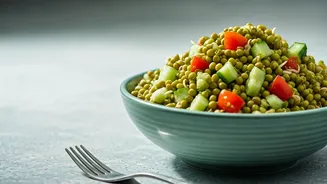
A common concern when cooking quinoa is that it might turn out mushy. The key to a perfectly fluffy quinoa pulao lies in a few simple steps. First, always rinse your quinoa thoroughly under cold water using a fine-mesh strainer. [23] This removes the natural coating called saponin, which can have a bitter taste. [23] For extra flavour, you can toast the rinsed quinoa in a little ghee or oil for a minute before adding liquid, which enhances its naturally nutty taste. A good rule of thumb for cooking is to use a 1:2 ratio of quinoa to liquid (e.g., one cup of quinoa to two cups of water or broth). [3, 23] Cook it until the liquid is absorbed, then let it rest off the heat, covered, for about 10 minutes. Finally, fluff it with a fork. [20] For pulao, some cooks even prefer to cook the quinoa separately and mix it into the cooked vegetables and masala at the end to ensure every grain stays separate and perfectly textured. [20]
A Perfect Canvas for Pulao Spices
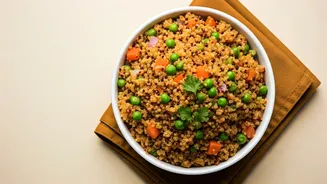
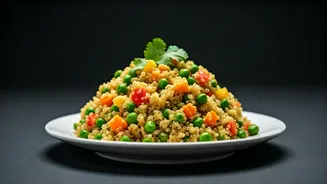
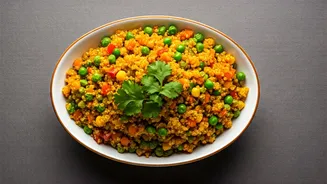
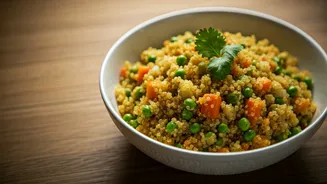
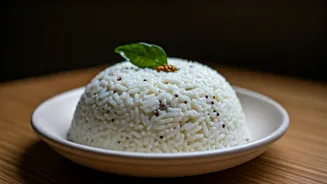
Quinoa’s mild, slightly nutty flavour makes it an excellent base for the aromatic and complex spices of a traditional pulao. It readily absorbs the flavours of ghee, whole spices like cumin seeds, bay leaves, cardamom, and cloves, and the foundational ginger-garlic paste. [16, 18] You can adapt your favourite vegetable pulao recipe by simply swapping rice for cooked quinoa. [23] Sauté your onions, spices, and vegetables as you normally would. [17] Add your cooked quinoa to the masala-coated vegetables, mix gently, and let it simmer for a few minutes to allow the flavours to meld together. [24] Whether you're making a simple vegetable pulao with carrots, peas, and beans, or a richer version with paneer or chicken, quinoa adapts beautifully, proving that a healthy change doesn't mean a compromise on taste.