
A Hero's Unflinching Stand
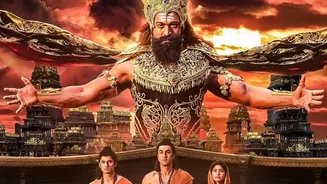
In the epic Ramayana, Jatayu was a noble demigod in the form of a vulture and an old friend of King Dasharatha, Rama's father. Living in the Dandaka forest, he promised to watch over Sita during Rama and Lakshmana's exile. His defining moment came when
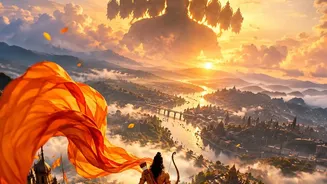
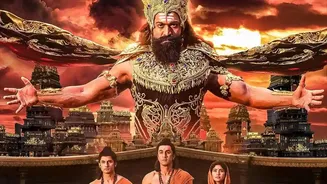
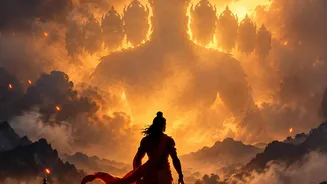
he witnessed the demon king Ravana abducting Sita in his flying chariot. Despite his advanced age, Jatayu confronted Ravana, challenging him to a fierce aerial battle. He fought with immense courage, managing to destroy Ravana's chariot and kill his mules, but the powerful demon ultimately proved too strong. Ravana clipped Jatayu's wings with his sword, leaving the great bird mortally wounded and falling to the earth.
Lepakshi: Where the Brave Bird Fell
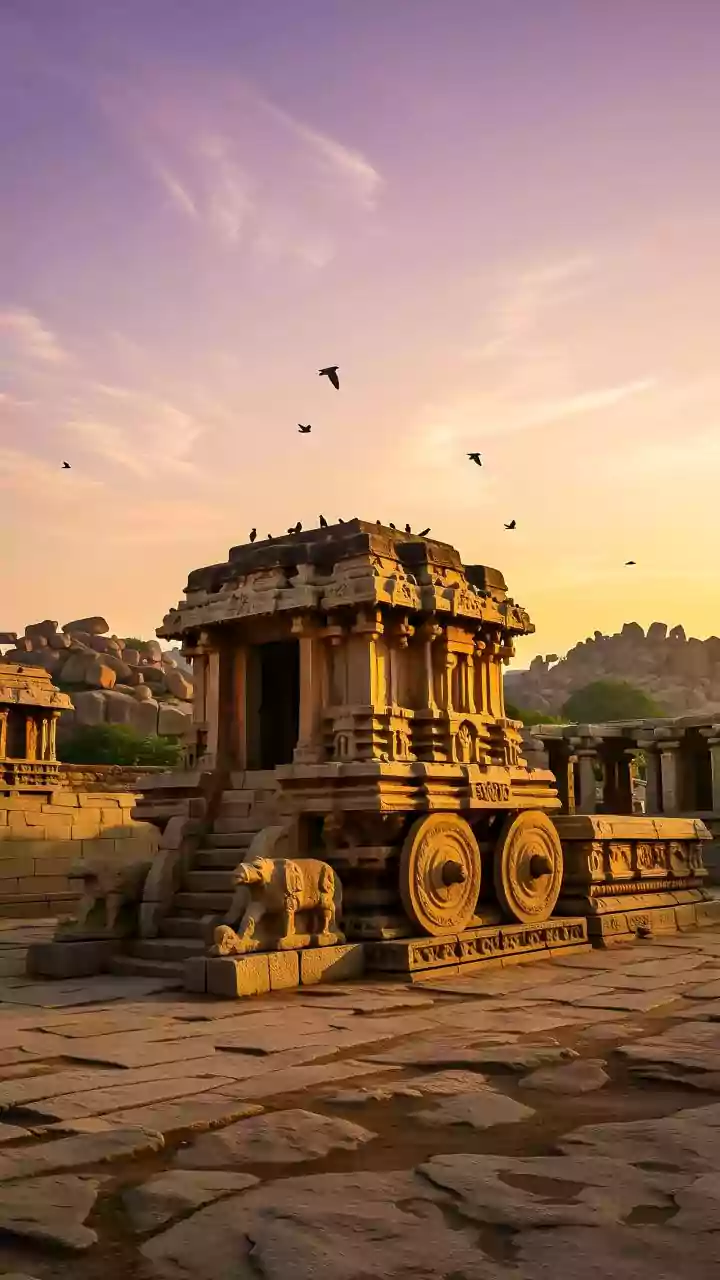
One of the most prominent places associated with this event is Lepakshi in Andhra Pradesh. Local tradition holds that this is where the wounded Jatayu fell. When Rama and Lakshmana, searching for Sita, found the dying bird, he managed to tell them about the abduction and that Ravana had headed south before taking his last breath. According to lore, a compassionate Rama commanded the bird to rise, saying 'Le Pakshi'—Telugu for 'Rise, Bird'. This phrase is believed to have given the town its name. Today, Lepakshi is a significant heritage site, known for the magnificent Veerabhadra temple, its famous hanging pillar, and a large footprint in the rock that some traditions say belonged to Sita. A small hillock with a sculpture of Jatayu commemorates his sacrifice, making it a powerful stop for pilgrims and tourists alike.
Chadayamangalam: A Monumental Tribute
Another compelling claim to Jatayu's story comes from Chadayamangalam in Kerala. The local name itself is said to be derived from 'Jatayu-mangalam'. According to this tradition, Jatayu fell onto the rocky hilltop here. To honour this belief, the site is now home to the Jatayu Earth's Center, a major tourism project. The highlight is a colossal sculpture of Jatayu, which holds the distinction of being the world's largest bird sculpture. Measuring 200 feet long, 150 feet wide, and 70 feet high, the statue depicts the eagle lying on its back, wounded but defiant. This modern marvel is dedicated to women's safety and honour, symbolizing Jatayu's attempt to protect Sita. The center is not just a monument; it's an experience, featuring a cable car ride to the summit, a museum within the sculpture, and adventure activities, blending mythology with modern tourism.
The Final Rites and Enduring Legacy
After imparting the crucial information to Rama, Jatayu succumbed to his injuries. Moved by his loyalty and sacrifice, Rama performed the bird's final rites as a son would for a father, granting him 'moksha' or salvation. Several places in South India are associated with these final ceremonies. The Vijayaraghava Perumal temple in Thiruputkuli, Tamil Nadu, is one such site, where the presiding deity is believed to be the form of Rama who performed the rites. The nearby water body is called Jatayu Tirtham. Another temple in Thirupullabhoothangudi, also in Tamil Nadu, shares a similar claim. These sacred spots, along with Lepakshi and Chadayamangalam, form a spiritual geography that keeps the story of Jatayu alive. They are not just destinations but living chapters of an epic, inviting travellers to connect with a timeless tale of courage, loyalty, and devotion.