
The Psychology of Sight
We've all been there: a crisper drawer full of good intentions and wilting vegetables. The old saying "out of sight, out of mind" is a primary cause of food waste in home kitchens. Research on food choice shows that visual cues are powerful drivers of our
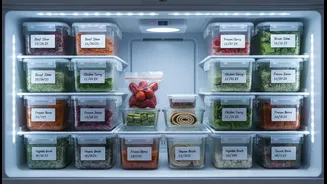
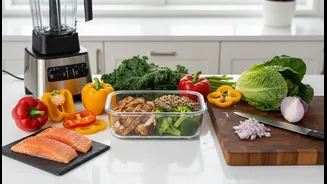
eating habits. When you open the fridge and see a container of limp, whole carrots, you see a task. But when you see perfectly cut carrot sticks or neat cubes, you see a snack, a side dish, or the start of a quick sabzi. By prepping your vegetables and storing them in clear, visible containers, you are not just organizing your fridge; you are creating a visual nudge towards healthier, faster meal choices. This simple act removes the initial friction of washing, peeling, and chopping, making you significantly more likely to use what you have.
A Cut for Every Occasion
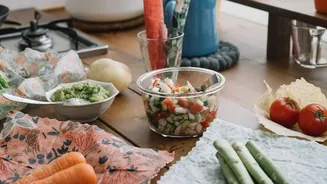
Not all vegetable cuts are created equal, because not all dishes are cooked the same way. Uniformity in cutting isn't just for professional chefs; it ensures even cooking. A large, rustic chop is perfect for a slow-cooked sambar or a hearty roasted vegetable dish, where the veggies have time to soften. A fine dice, on the other hand, is ideal for the base of a quick masala, ensuring onions and tomatoes break down quickly and form a smooth gravy. Thinly sliced cabbage is ready for a speedy stir-fry or coleslaw, while julienned carrots and capsicum can be tossed into fresh salads, noodles, or spring rolls. By preparing a few different cuts at the start of the week, you give yourself a versatile toolkit. That one lauki (bottle gourd) can become cubes for a curry and grated portions for a paratha or kofta, instantly multiplying your meal options.
The Strategic Prep Session
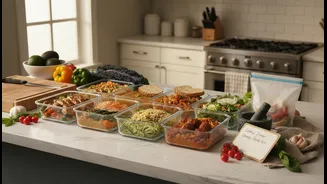
The idea of meal prep can be overwhelming, but it doesn't have to be an all-day affair. Set aside just 30-60 minutes once or twice a week. Start with your seasonal haul—potatoes, onions, carrots, beans, gourds, and leafy greens. Wash everything first. Then, decide on two or three basic cuts. A good starting point is to have one container of diced aromatics (onion, garlic), one of cubed root vegetables (potatoes, carrots), and one of sliced or julienned vegetables for quick cooking (capsicum, cabbage). Use a food processor with different blades to make this even faster. The goal isn't to prep for every single meal, but to create a foundation that makes daily cooking significantly easier. Even prepping the base for a week's worth of tadkas can be a revolutionary time-saver.
Smart Storage for Lasting Freshness
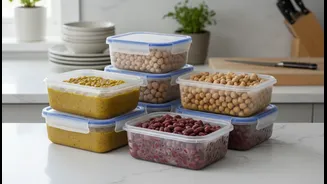
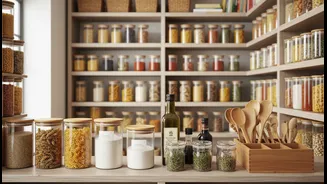
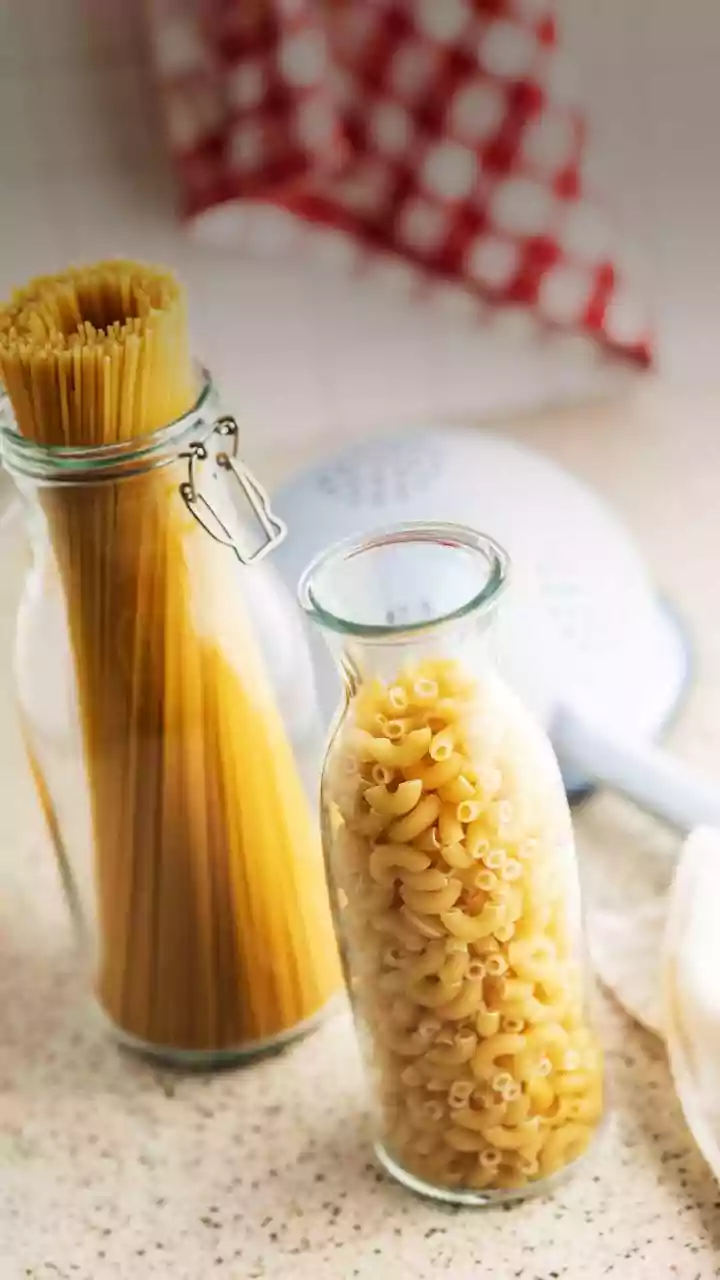
The key to successful vegetable prep is proper storage, which prevents your hard work from turning into a soggy mess. Oxygen and excess moisture are the enemies of freshness. Always use airtight containers, preferably clear glass ones so you can see what's inside. A simple but effective trick is to line the bottom of the container with a paper towel to absorb any excess moisture; you can even place another towel on top. For hardy vegetables like carrots and celery, storing them submerged in a container of water (changed every couple of days) can keep them crisp. Onions and garlic should be stored in an airtight container to prevent their odours from permeating the fridge. Most pre-cut vegetables, when stored correctly, will last for 3 to 5 days, perfectly aligning with a weekly meal plan.
From Prep to Plate
With your colourful, pre-cut vegetables ready and waiting, weekday cooking becomes an exercise in creativity rather than a race against time. That container of diced onions, tomatoes, and carrots is the instant base for poha, upma, or a quick pasta sauce. The julienned mix of cabbage and capsicum can be stir-fried in minutes, rolled into a wrap, or used as a crunchy topping for salads. Cubed potatoes and cauliflower are ready to be tossed with spices and air-fried or roasted for a simple side dish. This approach, where the ingredients come first, flips the traditional meal planning script and encourages you to cook more intuitively with the seasonal produce you have on hand, a cornerstone of traditional Indian food wisdom.