
France may be the world's most popular travel destination, but the dream trip can quickly sour. Between immense crowds and extra fees, some iconic attractions risk leaving visitors more frustrated than fulfilled, especially during peak season.
1. The Palace of Versailles
The sheer
scale and opulence of Versailles are undeniable, but visiting during the summer peak can be an exercise in frustration. The famous Hall of Mirrors often becomes a shoulder-to-shoulder shuffle, making it nearly impossible to appreciate the grandeur. Long queues for security, entry, and even inside the palace are common, with many visitors spending more time waiting than admiring the art and architecture. The experience can feel less like a royal tour and more like navigating a crowded shopping mall, leaving many to wonder if the reality lives up to the gilded image. The cost of visiting also climbs during the busiest months. The main 'Passport' ticket, which grants access to the entire estate, has a higher price in the high season (April to October) than in the low season. Furthermore, on many days during this peak period, access to the famous gardens is not free. Visitors must pay an additional fee to experience the 'Musical Fountains' or 'Musical Gardens' shows, which are beautiful but add an extra, often unexpected, cost to the day, even for those who would otherwise qualify for free admission.
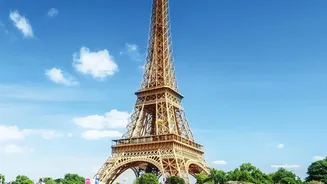
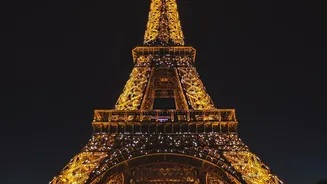
2. The Eiffel Tower View
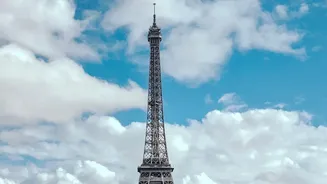
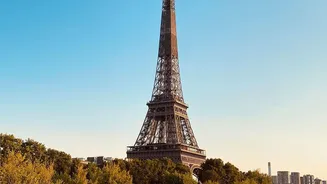
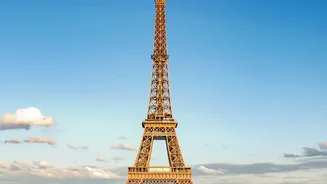
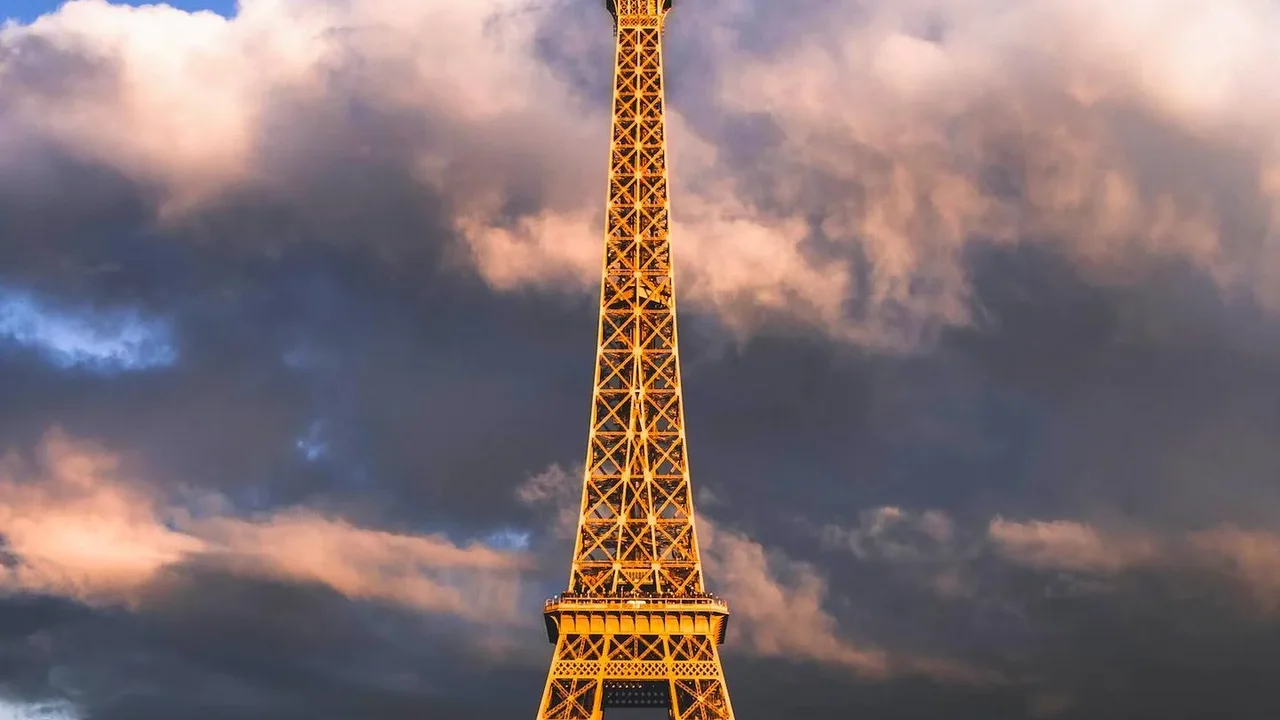
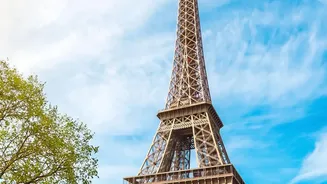
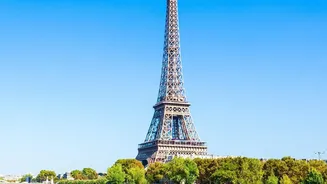
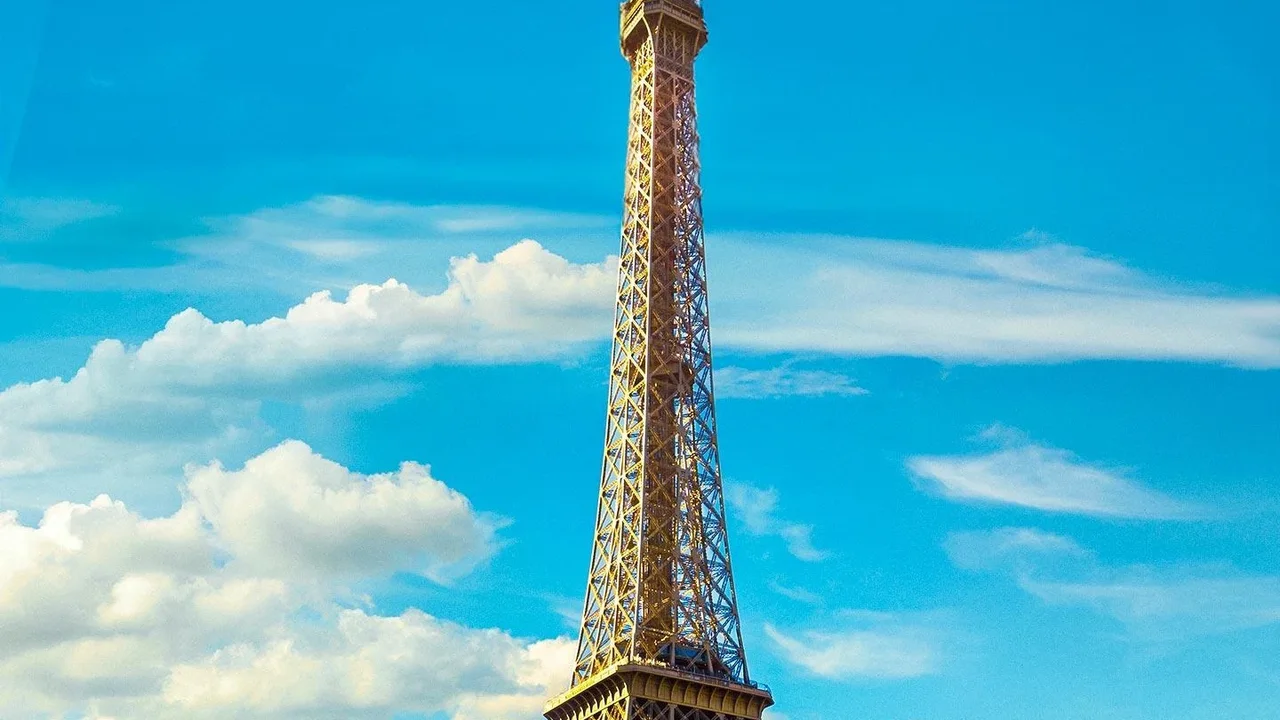
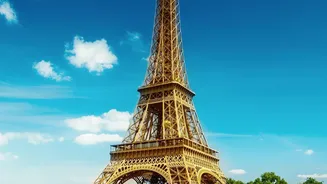
Ascending the Eiffel Tower is a bucket-list item for many, but the experience itself can be underwhelming. After navigating lengthy security and ticket lines, you are often crammed into a lift and arrive at viewing platforms packed with people. While the view is expansive, some argue it's incomplete because the most iconic element of the Parisian skyline—the Eiffel Tower itself—is missing. For many, the better photos and views are from the ground at the Trocadéro or the Champ de Mars. While the Eiffel Tower doesn't have a blanket 'peak-season' ticket price on its standard fares, the cost structure inherently penalizes those who don't plan far ahead, a common trait of peak-season travel. Timed slots sell out weeks or months in advance, forcing many to buy more expensive guided tour packages that often include their own peak-season surcharges. The official ticket prices themselves are high, with the most desirable lift ticket to the summit costing over €35. Choosing to climb the stairs can save money, but it is a physically demanding option that many are not prepared for.
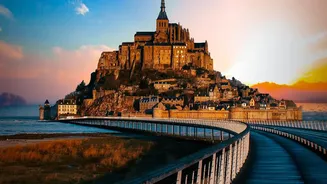
3. Mont Saint-Michel
This tidal island topped with a medieval abbey is breathtaking from a distance. Up close, especially between 10 a.m. and 4 p.m. in summer, it can be a tourist nightmare. The single main street becomes a congested bottleneck, lined with overpriced souvenir shops and restaurants of questionable quality. The magic of the location is often lost amidst the sheer volume of people, with an estimated three million visitors a year packing into a tiny space. Many who make the long journey find the experience stressful and overly commercialised. The added costs here function as a powerful peak-season surcharge. While visiting the village is technically free, you cannot drive to the island. You must use a large, distant car park, which charges a significantly higher daily rate during high season compared to low season. For a family, this mandatory parking fee is a notable expense before even setting foot on the causeway. Everything on the island itself, from a simple bottle of water to a basic meal, carries a huge tourist mark-up, making it one of the most expensive places to visit in France outside of Paris.
4. The Louvre's Mona Lisa
The Louvre is one of the world's greatest museums, but for countless visitors, the primary goal is seeing a single, small painting: the Mona Lisa. The experience is almost universally described as a disappointment. You will be herded into a huge, noisy room with hundreds of other people, all holding up phones to capture a photo of the 30-by-21-inch painting from behind a barrier and reflective, bulletproof glass. After waiting for hours, you might get 30 seconds of viewing time before being moved along by security. The reality is that it's nearly impossible to have a meaningful artistic experience, and many leave feeling they ticked a box rather than saw a masterpiece. While the Louvre's standard ticket price doesn't currently vary by season, the city and government are exploring new ways to raise funds from the tourist influx. Paris has already dramatically increased its nightly tourist tax, with rates for some hotels nearly tripling, which disproportionately affects visitors during peak travel times. Furthermore, France's culture minister has proposed a new surcharge for non-EU visitors at major national sites like the Louvre, which could be implemented as soon as 2026 and add a significant extra cost to the standard ticket price.