






What Exactly Is Zone 2 Training?
Forget the 'no pain, no gain' mantra for a moment. Zone 2 training is all about exercising at a low-to-moderate intensity, specifically at 60% to 70% of your maximum heart rate. Think of it as your 'all-day pace' or 'conversational cardio'. You should
be breathing noticeably but still able to hold a full conversation without gasping for air. If you can easily sing, you're likely in Zone 1; if you can only manage one-word answers, you've pushed too hard into Zone 3 or higher. This steady, comfortable effort is the key, as it trains your body's aerobic system without causing significant strain, allowing for longer sessions and faster recovery.
The Surprising Science of Slow Cardio
The magic of Zone 2 lies in how it teaches your body to generate energy. At this moderate intensity, your body becomes incredibly efficient at using fat as its primary fuel source instead of readily available carbohydrates (glycogen). This is crucial because our fat stores are much larger energy reserves. This process happens within our mitochondria, the 'powerhouses' of our cells. Consistent Zone 2 exercise improves the number and efficiency of your mitochondria, essentially upgrading your body's energy production system. This enhanced mitochondrial function means you can produce more energy with less effort, which translates directly to better stamina and reduced fatigue in your daily life.
Why It's a Game-Changer for Desk Workers
A sedentary job often leads to poorly functioning mitochondria, making you inefficient at using fuel and leaving you feeling lethargic. Zone 2 training directly counters this. By building a strong aerobic base, you improve your body's ability to deliver oxygen to your muscles and brain. This results in a lower resting heart rate, improved circulation, and more stable energy levels throughout the day—not just during your workout. For someone sitting at a desk, this means less brain fog, more resilience against stress, and the capacity to feel energetic after work instead of completely drained. It builds a foundational fitness that makes everything else, from carrying groceries to playing with your kids, feel easier.
How to Find Your Zone
There are two simple ways to determine your Zone 2 heart rate. The most straightforward is the 'talk test' mentioned earlier: maintain an intensity where you can speak in full sentences. For a more precise measurement, you can do some simple math. First, estimate your maximum heart rate (MHR) with the formula: 220 minus your age. For a 40-year-old, the MHR would be 180 beats per minute (bpm). Zone 2 is then 60% to 70% of that number. In this example, the target range would be between 108 and 126 bpm. While a chest strap monitor is most accurate, a smartwatch or even just focusing on your perceived effort is a great starting point.
Simple Zone 2 Workouts to Start
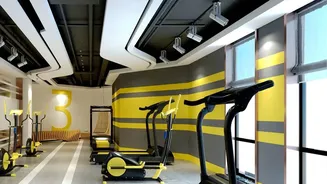
The best part about Zone 2 is its accessibility. You don't need a fancy gym or complicated equipment. The goal is consistent, steady movement. Some excellent options include: brisk walking (especially on an incline), light jogging, steady cycling on flat terrain, or using an elliptical machine. Aim for two to three sessions per week. If you're new to it, start with 30-minute sessions and gradually increase your duration as your fitness improves. Many find that working up to 45-60 minutes per session provides significant benefits. The key is consistency over intensity; a steady routine will build a powerful endurance base.