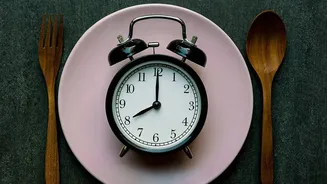







The Science of When We Eat
The idea that meal timing matters is central to an emerging field of science called chrononutrition. This field studies the interaction between our body's internal 24-hour clock, known as the circadian rhythm, and our nutrition. This internal clock doesn't
just manage our sleep-wake cycles; it also governs hormones, digestion, and metabolism. Our bodies are primed to process food most efficiently during daylight hours. As evening approaches, our metabolism naturally begins to slow down, and our insulin sensitivity decreases. Eating late at night forces your body to digest when it’s biologically programmed to be winding down for rest and repair, creating a potential conflict that can throw your system out of sync.
The Fat-Burning Advantage
One of the most compelling reasons to eat dinner earlier is its impact on fat metabolism. When you eat, your body releases insulin to help your cells absorb glucose from the blood for energy. However, insulin sensitivity is higher earlier in the day. Eating a late dinner, especially one high in carbs, can lead to a larger and more prolonged spike in blood sugar because your body is less efficient at handling it at night. Research has shown that late eaters can have blood sugar levels almost 20% higher compared to those who dine earlier. Furthermore, when you finish your last meal several hours before bed, you create a longer overnight fasting window. This encourages your body to switch its fuel source from the glucose you just consumed to your stored fat reserves, enhancing overnight fat oxidation by as much as 10 percent.
Unlocking Deeper, More Restful Sleep
A late, heavy meal can be a significant obstacle to quality sleep. The process of digestion is an active one, raising your core body temperature at a time when it should be dropping to facilitate sleep. This can delay your ability to fall asleep and lead to more fragmented rest. Eating late can also interfere with the natural evening release of melatonin, the hormone that signals to your body that it's time for sleep, while potentially elevating levels of the stress hormone cortisol. By finishing your meal at least three to four hours before bedtime, you give your digestive system ample time to do its job. This helps prevent issues like acid reflux and indigestion, which are common culprits of nighttime awakenings, and allows your body to focus entirely on the crucial restorative processes that happen during deep sleep.
How to Make the Shift
The idea of eating dinner by 6 or 7 p.m. can feel daunting, especially with demanding work schedules and family commitments. The key is to make gradual adjustments. Start by moving your dinner time 15 to 30 minutes earlier for a week, and continue shifting it until you find a sustainable new normal. Meal prepping on weekends can make weekday evenings smoother, ensuring a healthy meal is ready to go without much effort. If you find yourself hungry before bed during the transition, opt for a small, light, and easily digestible snack, but try to avoid it becoming a habit. The goal is to create a consistent routine where your body's largest meals are consumed when your metabolism is at its peak, not when it's preparing for sleep.